

Taxes are just the money the state takes from society to pay for public services. It is a blunt instrument, really. But it drives the economy. National income relies heavily on it. The big debates happen over the details though. Who pays? How much? And where does the cash go? These questions spark endless arguments.
We are digging into how tax rates impact national income. It is not a simple equation. Economic growth does not move in a straight line. Neither does investment. Unemployment shifts. Tax evasion happens. Income distribution changes. All of these factors interact.
The goal here is to look at the mechanics. We will break down what determines tax policy. We will see what high rates do. We will see what low rates do. And we will look at the pitfalls policymakers face.
The Mechanics of Tax Policy and National Income
Taxation is the bedrock of public finance. Without it, roads, schools, and defense disappear. But high taxes can stifle activity. Low taxes might leave the state broke. The balance is tricky.
Economic growth often slows when taxes are too high. Why? Because businesses invest less. People work less. They save less. The incentive structure changes.
Conversely, very low taxes can hurt growth too. Not directly. But indirectly. Poor infrastructure. Uneducated workforce. Social unrest. All of these drain productivity.
So, where is the sweet spot? There isn’t one. It depends on the country. It depends on the era. It depends on global conditions.
High vs. Low Tax Rates: The Trade-offs
Let’s look at the extremes.
High Tax Rates:
– Pros: Funds robust public services. Reduces inequality. Supports safety nets.
– Cons: Discourages investment. Encourages tax avoidance. Can lead to capital flight. Slows down entrepreneurship.
Low Tax Rates:
– Pros: Attracts foreign investment. Boosts consumption. Encourages work and innovation.
– Cons: Increases inequality. Underfunds public goods. Can lead to budget deficits. Relies on debt.
Most countries sit somewhere in the middle. They use progressive systems. The rich pay a higher percentage. The poor pay less. This aims for fairness. But does it work?
Determinants of Effective Tax Policy
What makes a tax policy stick? What makes it effective?
- Administrative Efficiency: If the tax authority is corrupt or inefficient, rates don’t matter. People won’t pay.
- Economic Structure: A service economy taxes differently than an agricultural one.
- Political Will: Governments need public support. Unpopular taxes get repealed.
- International Competition: Countries compete for capital. High taxes drive money to low-tax havens.
This last point is critical. Globalization changes everything. A company can move its headquarters. A person can move their bank account. Tax rates must be competitive. But not too competitive.
The Role of Tax Evasion and Avoidance
Tax evasion is illegal. Tax avoidance is legal but aggressive. Both reduce revenue.
High rates often encourage evasion. Why follow the rules if the cost is too high? This creates a black market. It shrinks the formal economy.
Policymakers face a dilemma. Raise rates to get more
The Tax Rate Trade-Off: Growth vs. Equity
Taxes are the engine of state power, but they are also a drag coefficient on the economy. Change the rate, and you shift the entire landscape of national income. It is not just about collecting revenue; it is about shaping behavior.
High rates act as a leveling force. They reduce income inequality by taking more from the top. But that money comes at a cost. Business operating expenses rise. Investment slows down. When the state takes a larger slice, companies have less capital for innovation and expansion. Growth stagnates.
Yet, that revenue buys something tangible. It funds public services. It supports social safety nets.
Low rates do the opposite. They cut costs for businesses. They accelerate growth by leaving more capital in private hands. But this speed has a price. Inequality widens. Public services starve for funding. And when rates are too low, the temptation to dodge taxes becomes a rational financial calculation.
There is no perfect setting. Policy makers must balance growth, unemployment, income distribution, and tax evasion. It is a constant tug-of-war.
How Are Tax Rates Determined?
The setting of tax rates is not arbitrary. It is a calculation of political will and economic reality.
1. The Revenue Need
Governments need money. Infrastructure, defense, healthcare, education. The baseline revenue requirement sets a floor. If the state cannot fund its basic functions, the system collapses. This is the non-negotiable starting point.
2. The Economic Growth Goal
Do policymakers want rapid expansion or stability? Low rates often spur investment and job creation. High rates can dampen business activity. The choice depends on what the economy needs most at that moment.
3. Equity and Redistribution
Taxes are the primary tool for reducing inequality. Progressive systems take more from high earners to fund services that benefit everyone. This requires high rates on top incomes. But push too hard, and you risk capital flight. High-net-worth individuals and corporations can move elsewhere.
4. Administrative Feasibility
How easy is it to collect the tax? Complex rates with many loopholes are hard to enforce. Simple structures are easier to manage but may be less fair. The ability to combat evasion is critical. If enforcement is weak, high rates just lead to widespread non-compliance.
5. Political Pressure
Voters dislike high taxes. Businesses lobby for low rates. The final rate is often a compromise between these competing interests.
The Balancing Act
There is no single correct tax rate. It depends on the country’s stage of development, its institutional strength, and its social contract.
- High Taxes: Good for equality and public services. Bad for business growth and investment incentives.
- Low Taxes: Good for growth and business. Bad for equality and public funding.
- Complex Systems: Can be fairer but are harder to enforce and more prone to loopholes.
- Simple Systems: Easier to administer but may lack nuance and fairness.
Policy makers must consider all these factors. They must weigh the benefits of growth against the need for equity. They must balance the desire for public services with the risk of stifling business.
It is a delicate equilibrium. Move too far in one direction, and you create new problems. The best tax
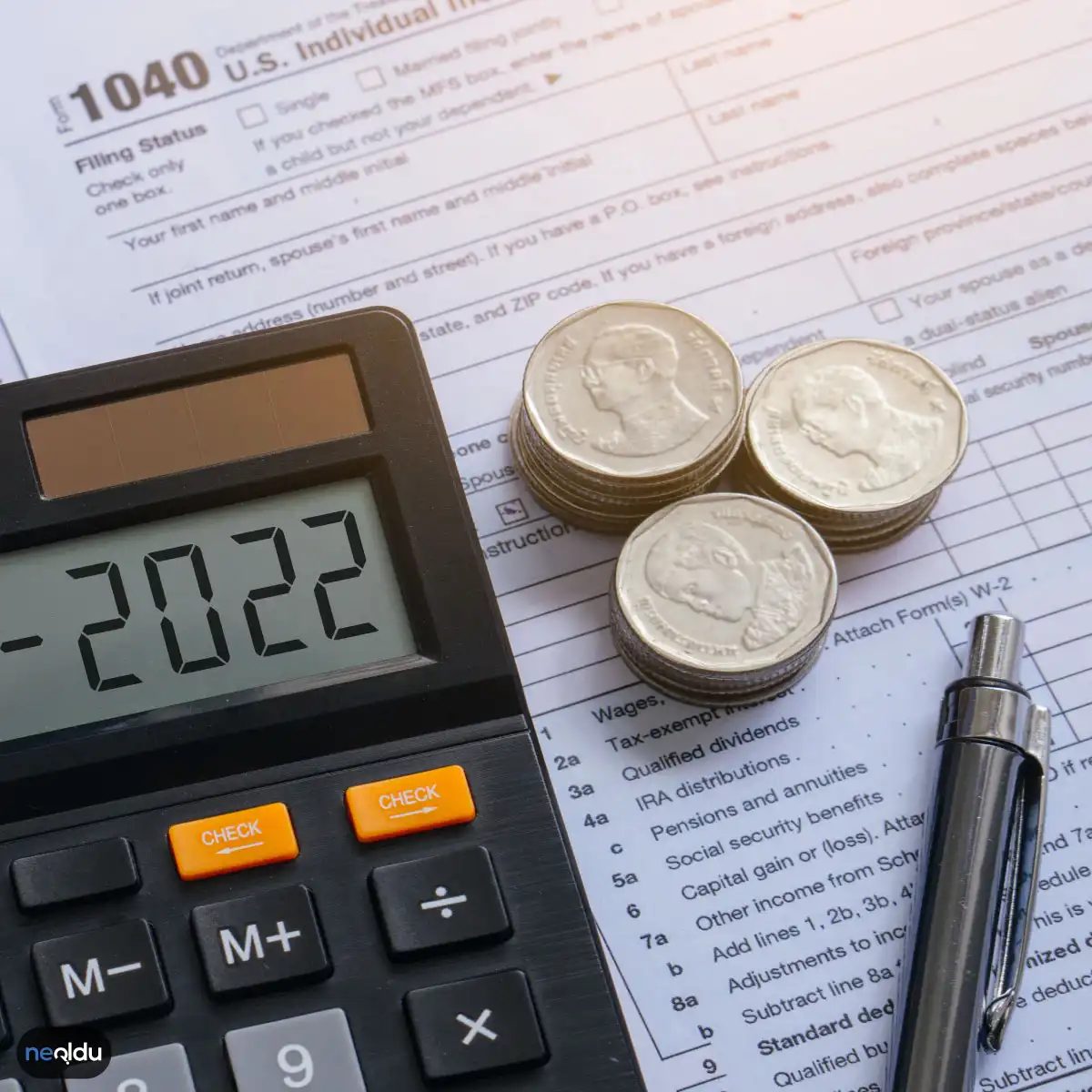
Hükümetlerin kasa doldurmak için seçtikleri yüzde oranları tesadüf değildir. Arka planda karmaşık hesaplar yatar. Bir ülkenin ekonomik nabzı, büyüme hedefleri ve sosyal vaatleri her bir vergi kuruşunda hissedilir.
Bu süreç basit bir matematik değil, bir denge oyunu. Düşük vergiler yatırım cezbetse de kamu hizmetleri daralır. Yüksek vergiler sosyal adaleti artırsa da rekabeti zedeler. Hangi nokta “doğru” sorusunun cevabı ülkeden ülkeye değişir.
Ekonomik Büyüme ve Enflasyon Dengesi
Devletler vergi politikasını bir fren veya gaz pedalı gibi kullanır. Ekonomideki aşırı ısınmayı durdurmak için oranlar yükseltilir. Büyümeyi canlandırmak için ise düşürülür. Enflasyon kontrolü de bu denklemin en kritik parçasıdır.
Kamu hizmetlerinin finansmanı diğer taraftaki pusuladır. Sağlık, eğitim, altyapı… Bunların bedeli yoklanmaz. Ancak vergiyi çok artırmak üretim maliyetlerini şişirir. Bu da nihai ürün fiyatlarına yansır. Döngü kendini besler.
Siyasi İrade ve Yolsuzlukla Mücadele
Vergi kanunları kağıt üzerinde kalırsa anlamı kalmaz. Siyasi görüşler uygulamanın kalitesini belirler. Vergi denetimi güçlü olmayan bir ülkede kaçakçılık yaygınlaşır. Yolsuzlukla mücadele zayıfsa, yüksek oranlar sadece dürüst mükellefleri cezalandırır.
Bazı devletler rekabet için “vergi cenneti” olmayı seçer. Yatırım maliyetlerini düşürerek sermayeyi kendine çeker. Başkaları ise refah devleti modeliyle yüksek sosyal katkıları zorunlu kılar. Hangi modeli seçerseniz seçin, itfa mekanizması çalışmak zorundadır.
Gelir Eşitsizliği ve Adalet Algısı
Vergi sistemi en büyük sosyal denge aracıdır. İlerlemeli vergilendirme, yüksek gelirli kesimin daha fazla katkıda bulunmasını öngörür. Düşük gelirli gruplar ise daha hafif yükler taşır. Bu yaklaşım teoride daha adil bir gelir dağılımı vaat eder.
Gerçekte ise durum daha karmaşıktır. Vergi kaçırma yöntemleri zenginler için daha gelişmiştir. Gelir türleri farklılık gösterir. Sermaye kazancı ile çalışan kazancının vergilendirilmesi arasındaki fark, eşitsizliği derinleştirebilir. Politikalar bu uçları birleştirmeye çalışır ama her zaman başaramaz.
Uluslararası Ticaret ve Sınır Ötesi Anlaşmalar
Vergiler sadece ülke sınırları içinde kalmaz. Küreselleşme ile birlikte uluslararası anlaşmalar belirleyici olur. Çifte vergilendirme anlaşmaları, çok ulus

Vergi oranları arttığında, ekonomi yavaşlar. Bu basit bir ilişki değil. Karmaşık bir mekanizma. İşletmeler yatırım yapmayı erteledikçe büyüme durur. Tüketiciler harcamayı kısıtlayınca talep düşer. Sonuç hep aynı: istihdam azalır.
Yatırım Maliyetleri ve Büyüme
Şirketler büyüme için para harcamak zorunda. Piyasaya yeni ürün sürmek, fabrika kurmak, teknoloji geliştirmek. Hepsi para ister. Vergi yüksekse, bu para daha az kalır.
Yatırım maliyeti artar. Kar marjları düşer. İşletme sahibi kendini sorar: “Bu riske girer miyim?” Cevap genellikle hayır olur. Planlar iptal edilir. Geleceğe dair büyüme beklentileri sıfırlanır.
Bu durum sadece şirketleri etkilemez. Ekonomik büyüme verileri düşer. İşsizlik oranları yükselir. Döngü kendini besler.
“Yüksek vergi, yatırım yapma kararlarını ertelemelerine veya iptal etmelerine neden olabilir.”
Tüketici Alışveriş Gücü
Düşük ve orta gelirli haneler en çok darbe yer. Maaşın büyük bir kısmı vergi olarak kesilir. Geriye kalan para ile yaşamak zorlaşır.
Tasarruf yapmak zorunlu hale gelir. Harcama yapmak lüks. Market alışverişi azalır. Lüks tüketim durur.
Bu azalma, işletmelerin satış rakamlarını düşürür. Satış düşerse üretim azalır. Üretim azalırsa işçi alınmaz.
Tüketici harcamaları ekonomik büyümenin motorudur. Bu motoru durdurmak, tüm sistemin yavaşlaması demektir.
İşgücü Pazarındaki Dengesizlik
İşverenler için de durum kötü. Yüksek vergi, işçi maaşlarını artırma kapasitesini kırar. Toplam işgücü maliyeti artar.
Çalışanlar daha az maaş alır. Alım gücü düşer. Tüketici olarak tekrar o döngüye girerler.
Ayrıca, yeni istihdam yaratmak zorlaşır. Risksiz büyüme yerine, mevcut çalışanlarla idare etmek tercih edilir. İşsizlik oranları yükselir. İşgücü arzı ve talebi bozulur.
Vergi Politikalarının Belirlenmesinde Dikkat Edilmesi Gerekenler
Vergi sistemi sadece gelir toplama aracı değildir. Ekonomik davranışları şekillendirir. Politikacılar ve ekonomistler şu faktörleri dikkatli ele almalı:
- Yatırım Teşvikleri: Vergi indirimi ile yatırımcıları cesaretlendirme.
- Tüketici Gücü: Meseleli kesimin alım gücünü koruma.
- İstihdam Maliyeti: İşverenlerin işçi tutma kararlarını

Balancing the Books: Why Tax Policy Is More Than Just Math
Determining tax policy isn’t just about collecting cash. It’s about aligning revenue with national goals. You have to look at the economic health of a country and what it actually wants to achieve. If the goal is accelerating growth or dropping unemployment rates, lowering tax rates becomes a viable lever to pull. But that’s only one side of the coin.
Justice matters here too. The burden should fall on those who can afford to bear it. High earners should pay more. That’s the principle of ability-to-pay. It’s not just idealism. It’s a structural necessity for equity.
“Tax policies must be shaped by a country’s socio-economic structure and needs, but anchored in fairness and stability.”
Then there’s the broader picture. Society’s general welfare can’t be an afterthought. Special exemptions for specific sectors or groups often distort the market. The goal should be fair taxation across all sectors and groups. No free rides. No hidden subsidies disguised as tax breaks.
Stability is just as important. Frequent changes to tax rates or unclear policies mess with business planning. Companies can’t invest if they don’t know what the rules will be next year. Uncertainty kills investment.
Cost is another hard constraint. Collecting taxes isn’t free. Simplifying the process helps. Preventing evasion is non-negotiable. If the cost of collection outweighs the benefit, the system is broken.
The Mechanics of Tax Rates
Why do tax rates matter? They dictate how national income is distributed. They fund public services. Without them, the government has no revenue stream. It’s a primary factor in the economy’s engine.
But are low rates always better? Not always. Low rates might stimulate growth. They might encourage spending. But they can also starve public services of funds. Budget deficits can follow. A balanced approach is needed.
High rates can hurt too. They squeeze business margins. They increase operating costs. They might discourage investment. They could stop new jobs from being created. Individuals might spend less. They might save more out of necessity. The economy slows down.
How are these rates set? It depends on economic and political conditions. Governments factor in budget deficits. They look at policy goals. Different taxes have different rates. Income tax. Corporate tax. VAT. Each is tailored differently.
Who Decides and How?
The decision to change rates usually lies with the government. Legal regulations must be updated first. This process is watched closely by stakeholders. Individuals and institutions follow the changes.
The government weighs economic impacts. It considers public reaction. It’s a political act as much as an economic one. There’s no perfect formula. Just trade-offs. You adjust the rates. You see what happens. The cycle continues.