
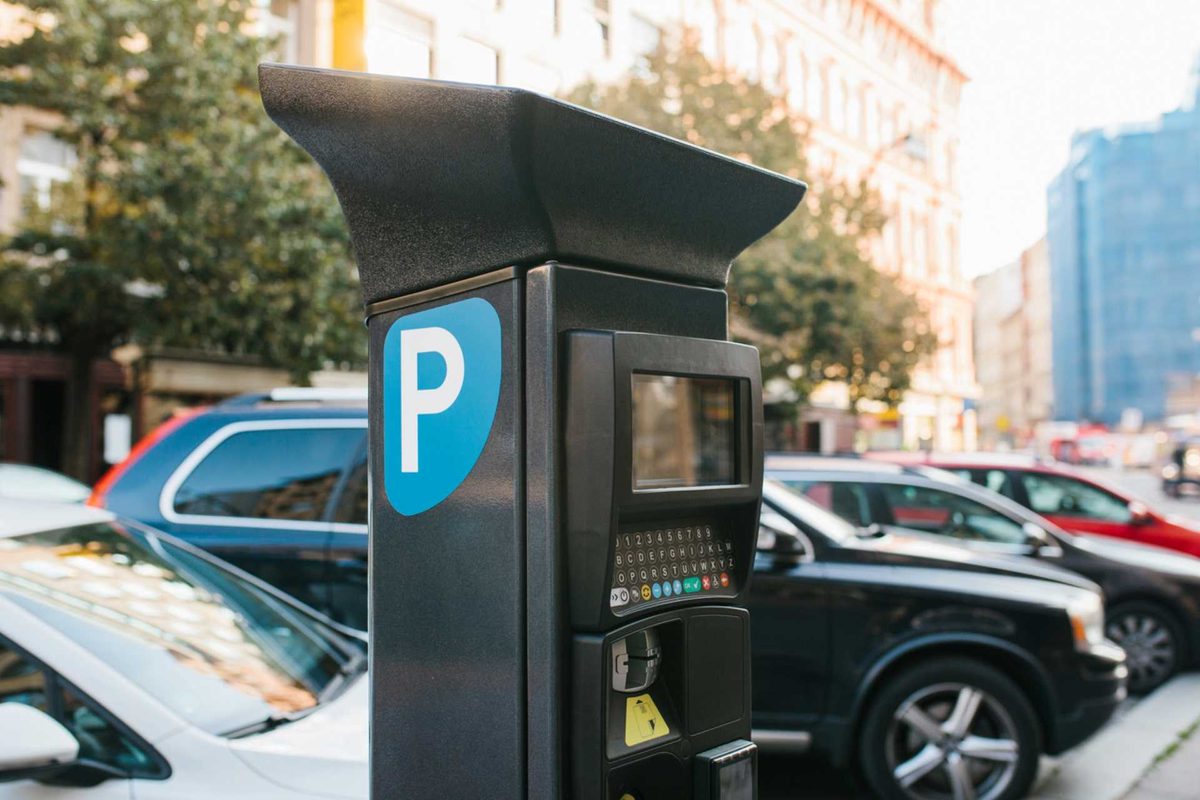
You know the drill. You turn onto a downtown street and immediately start hunting for a spot. You circle the block. Then another block. Eventually, you settle for a parking garage that charges a premium for the privilege of being there. It’s a waste of time, sure. But more importantly, it’s a direct hit to your wallet. If you are tired of handing over cash for every minute you spend in the center of town, there are ways to stop bleeding money. These strategies actually work.
Why Downtown Parking Costs So Much
The high cost of parking isn’t arbitrary. It is driven by scarcity and demand. In city centers, space is limited. Land is expensive. Developers charge premium rates because they know people need to be there for work, shopping, or entertainment. The supply simply cannot keep up with the number of drivers trying to park.
This creates a market where price becomes the primary filter. If you don’t mind paying, you get a spot. If you don’t, you circle aimlessly. The emotional toll of that search is real. So is the financial drain.
Strategy 1: Use Parking Comparison Apps
You can’t just guess where parking is cheap. You need data. There are several apps designed specifically to solve the “where is the cheapest spot” problem. These tools aggregate real-time pricing from various parking providers. Some even show available spaces.
“Using technology removes the guesswork. You can compare prices before you even leave your driveway.”
Apps like Parkopedia or SpotHero allow you to search by location. You can see prices side-by-side. A garage two blocks away might be half the price of the one right in front of your destination. The trade-off is walking a few extra minutes. That walk costs you nothing. The savings, however, can be significant.
Strategy 2: Look for Validation
Many businesses in downtown areas offer parking validation. This doesn’t mean the parking is free. It means they cover part or all of the cost. The mechanism is simple. You spend money at a restaurant, shop, or cinema. They give you a stamp or a digital code. You present it at the parking garage. The price drops.
This strategy requires a plan. You cannot just drive around looking for validation. You need to intend to spend money anyway. If you were going to buy a coffee or see a movie, the parking becomes an afterthought. It becomes part of the cost of doing business. If you aren’t spending money, validation doesn’t help you.
Strategy 3: Park and Ride on the Edge
City centers are not the only place to park. The edges of downtown often have cheaper options. Large surface lots or older garages on the outskirts of the central business district charge less. The reason is simple. Distance from the core.
From these outer lots, you can take public transportation. Buses and trains are usually frequent in major cities. The cost of a transit pass is often far lower than a day of downtown parking. This strategy shifts the cost from a fixed, high fee to a variable, low fee. It also reduces stress. You don’t have to hunt for a tight spot. You park in an open space. You walk to a station. You ride in.
The Real Cost of Convenience
Choosing the cheapest option
The assumption that you must pay a premium to park near city centers, airports, or major transit hubs is only half true. Yes, proximity drives up the price. Municipalities and private operators know that convenience commands a higher rate. But walking five to ten minutes away from those high-traffic zones often drops the cost significantly.
City maps are not just for navigation. They are financial tools. Many municipalities publish detailed zoning charts that break down parking rates by street or block. You might find that a spot two blocks over costs half as much. The trade-off is physical effort. You walk more. You save money. It is a simple equation that many commuters ignore.
Blue zone parking deserves specific attention. These spots are often free for short durations. They are ideal for quick errands. However, they usually require a parking disk or a digital validation of your arrival time. If you forget to stamp it, you pay a fine. The fine often exceeds the cost of the parking you were trying to save.
Securing Resident Permits and Mobile Deals
For frequent visitors or actual residents, residential parking cards are a game-changer. These permits offer rates far below standard hourly fees. Validity periods can range from a single day to a full week. In expensive markets like Paris, this discount structure can prevent your budget from bleeding out over a long weekend.
Obtaining one requires proof of address. You visit the local town hall with documentation. If you are not a resident, this route is closed to you. But if you have the paperwork, the savings are substantial.
Mobile applications have also disrupted the market. These platforms connect drivers with vacant spaces. They often list private lots or underutilized spaces at preferential rates. The app handles the reservation. It removes the anxiety of circling blocks. It also provides price transparency before you commit.
Exploiting Delivery Zones and Off-Peak Hours
There is a lesser-known loophole involving delivery zones. In cities like Paris, these spots are restricted during business hours. They are meant for commercial loading and unloading. But outside of those windows, the restrictions often lift.
Evening hours, nights, Sundays, and holidays can see these zones becoming accessible to general traffic. This is not a universal rule. You must read the signage carefully. Some delivery bays have 24/7 restrictions. Others are time-bound. Checking the posted limits is non-negotiable. Misjudging a restriction leads to a ticket. The ticket wipes out any savings from using the spot.
Underground Garages and Tiered Pricing
Underground parking garages carry a reputation for being overpriced. This is not always the case. Many structures offer degressive pricing for longer stays. The rate per hour drops as the duration increases.
For daily commuters or those needing extended storage, these daily, monthly, or even annual rates can become highly competitive. Security is often better in structured garages compared to street parking. The risk of break-ins or damage is lower. The cost per day decreases significantly after the initial hours.
Parking in dense urban areas does not have to be a financial drain. It requires planning. It requires looking beyond the immediate vicinity. It requires reading the fine print. The stress of finding a spot transforms into a strategy. You trade time for money. Or you trade convenience for savings. The choice is yours. But the options are there if you look for them.