
British watch brand Apiar is pushing the boundaries of traditional horology by integrating advanced additive manufacturing—better known as 3D printing—into its designs. The company recently began shipping its Gen 1.0 model, which stands out as the first watch in the industry with a 39-millimeter titanium case and dial entirely created through 3D printing.
Pioneering Additive Manufacturing in Luxury Watches
Apiar’s approach isn’t just about novelty; it’s a deliberate effort to redefine what a mechanical watch can be. According to Managing Director Matt Oosthuizen, the next step could even involve 3D-printing entire movement parts, though the company isn’t quite ready for that leap yet.
The Gen 1.0 represents a significant advancement in watchmaking. The team had to refine simulation and support optimization extensively to achieve the desired balance of geometries and textures, proving that additive manufacturing can be utilized effectively in high-end timepieces.
From Childhood Friendship to Disruptive Innovation
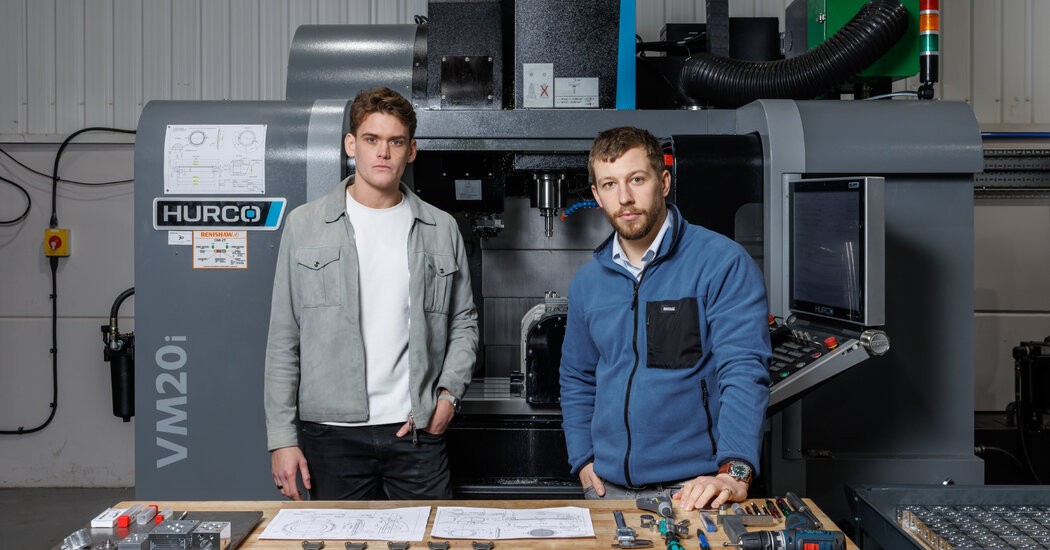
The brand’s origins trace back to the founders’ childhood friendship. Sam White and Matt Oosthuizen, both 27, met in secondary school and later combined their passions to create Apiar. White’s lifelong love for watches, coupled with Oosthuizen’s engineering and design background, drove them to build a brand focused on additive manufacturing.
“Instead of buying more watches from other brands, I wanted to take my design and engineering background and develop a watch for myself that showed my passion for additive manufacturing.” – Matt Oosthuizen
Apiar’s success demonstrates the growing potential of 3D printing to disrupt luxury industries. The company’s willingness to experiment with new technologies positions it as a key player in the future of watch design and manufacturing.
Why This Matters
The shift toward 3D-printed watch components has major implications: design flexibility, reduced material waste, and potential for customization are all benefits. This innovation could make luxury timepieces more accessible while also opening doors for more complex, artistic designs previously impossible with traditional methods. Apiar’s work is an early indicator of how 3D printing may reshape not just watches, but high-end manufacturing across various sectors.