
A recent, though swiftly resolved, airspace closure over El Paso, Texas, and neighboring areas in New Mexico has highlighted serious gaps in US counter-drone defenses. The incident, which briefly grounded flights, underscores the growing challenge of protecting airspace from low-cost unmanned aerial vehicles (UAVs) – a threat that experts have long warned is inevitable.
The Incident: A Laser, a Balloon, and Conflicting Reports
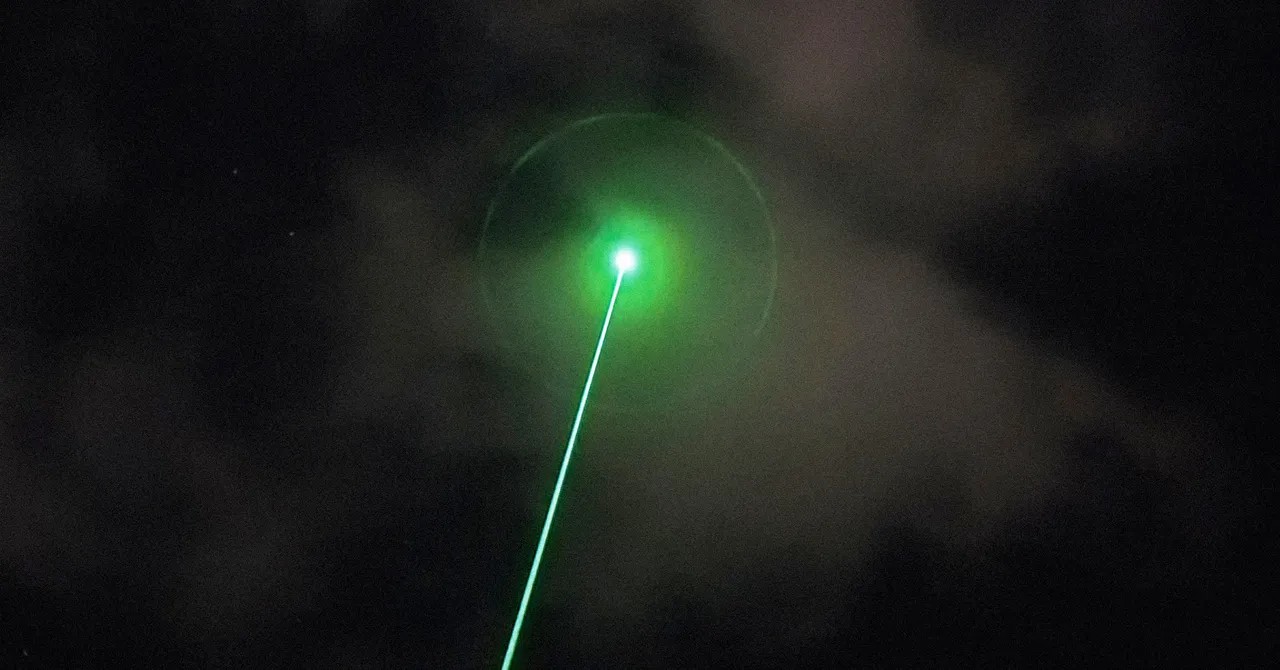
The Federal Aviation Administration (FAA) initially imposed a ten-day flight restriction, later reduced to eight hours, citing concerns about potential interference from drones. Early explanations pointed to possible incursions by drones operated by Mexican drug cartels. However, reports soon emerged indicating that the closure stemmed from Customs and Border Protection (CBP) officials testing a Pentagon-supplied anti-drone laser weapon.
The situation took an embarrassing turn when it was revealed the laser system had targeted – and “shot down” – a party balloon. The FAA’s lengthy initial restriction suggests a lack of clear communication regarding the weapon’s operational timeline.
A Growing Threat and Difficult Solutions
The proliferation of affordable drones presents a unique security dilemma. Disrupting or disabling drones using jamming or kinetic measures is exceptionally difficult, particularly in populated areas where collateral damage is a major risk.
According to Tarah Wheeler, a cybersecurity expert, the FAA acted appropriately by issuing the flight restriction, but the initial ten-day duration suggests a lack of transparency regarding the laser’s deployment. The incident raises questions about coordination between agencies, as a White House official claimed the airspace closure was not a spontaneous action but part of ongoing drone incursion operations.
The LOCUST System and Army Testing
The laser weapon used in the El Paso incident was identified as the LOCUST system, manufactured by AeroVironment (AV). This 20-kilowatt directed energy weapon is designed to neutralize small drones, and the Army has been actively prototyping similar systems under the AMP-HEL program.
The Army’s recent testing of laser weapons confirms a shift toward short-range air defense, where lasers and high-powered microwaves offer a potential advantage. However, the El Paso case demonstrates that these tools are not foolproof and can lead to misidentification of targets.
Lawmaker Scrutiny and Agency Silence
US representatives and senators have demanded classified briefings from the Department of Homeland Security (DHS), the Department of Defense, and the FAA. They seek clarity on agency roles, communication failures, and measures to prevent future incidents.
Notably, the FAA, DoD, and DHS declined to comment on the situation when contacted by WIRED. This lack of transparency further fuels concerns about the handling of drone defense operations and the potential for future missteps.
The El Paso incident serves as a stark reminder that the US is still grappling with the evolving threat of drone technology and that effective, safe, and coordinated countermeasures are critical for maintaining airspace security. The event underscores the need for better communication between federal agencies and a more robust approach to identifying and neutralizing unauthorized drones without endangering civilian aircraft.