A high-stakes legal showdown is set to begin this month in an Oakland, California, federal courtroom. At the center of the dispute is a fundamental question that could redefine the future of artificial intelligence: Does a company owe its primary allegiance to its original humanitarian mission, or to its commercial growth?
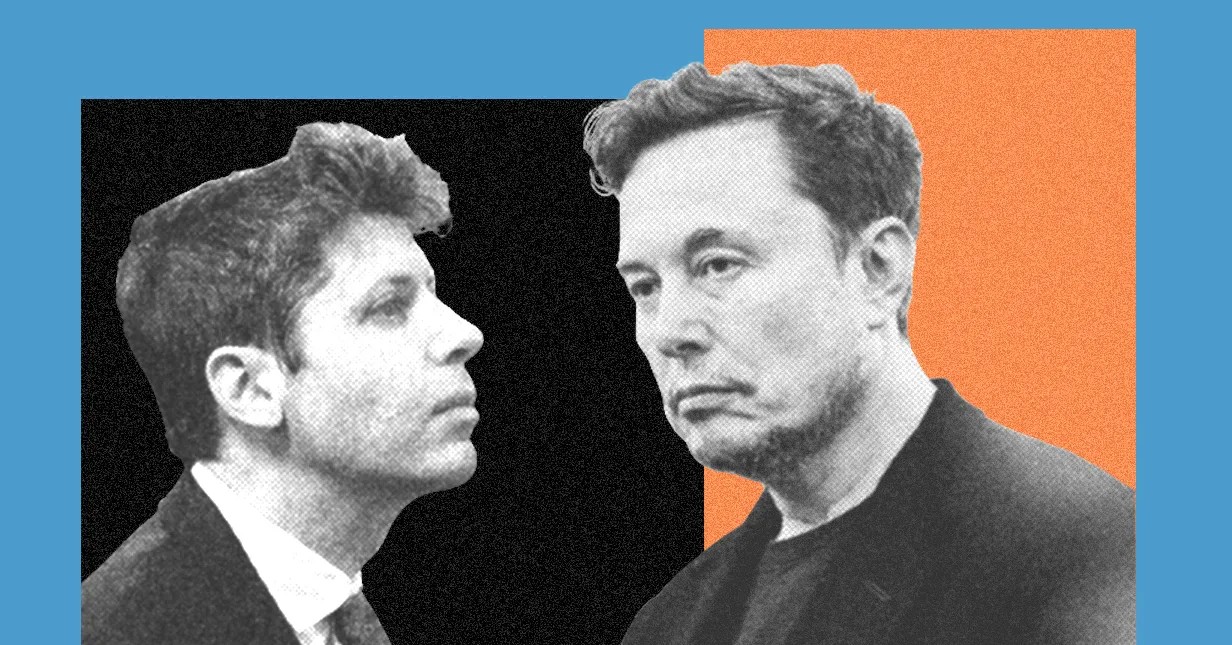
The lawsuit, filed by Elon Musk against Sam Altman and OpenAI, is more than a billionaire feud. It is a legal challenge to the very structure of how the world’s most influential AI developer operates.
The Core of the Dispute
Elon Musk, one of the original co-founders of OpenAI, alleges that the company has abandoned its founding purpose. Originally established as a nonprofit dedicated to ensuring that Artificial General Intelligence (AGI) benefits all of humanity, OpenAI has since pivoted toward a highly lucrative, secretive, and for-profit model.
Musk’s legal team has distilled his grievances into three primary claims:
- Breach of Charitable Trust: Musk argues that his early donations (totaling roughly $38 million) were intended to fund an open-source, nonprofit endeavor. He alleges that OpenAI’s shift toward a closed, profit-driven model violates this trust.
- Fraud: The suit claims that Sam Altman and Greg Brockman deceived Musk regarding their true intentions to transform the nonprofit into a commercial powerhouse.
- Unjust Enrichment: Musk contends that the leadership and major investors have profited personally at the expense of the original nonprofit mission.
The Defense: OpenAI and its leadership deny these claims, labeling them “baseless.” They argue that Musk is motivated by professional jealousy and a desire to handicap OpenAI to benefit his own AI venture, xAI. OpenAI also maintains that Musk was aware of the need for a for-profit structure as early as 2017.
Why This Matters for the AI Industry
This trial carries implications that extend far beyond the courtroom walls. It touches on three critical areas:
1. The Future of Corporate Governance
OpenAI currently operates under a unique hybrid structure: a nonprofit overseeing a for-profit arm. If Musk succeeds, the court could force a massive restructuring, potentially removing leadership or stripping the company of its current corporate status. This raises a difficult legal question: Can a private individual override the regulatory approval of state Attorneys General? Both California and Delaware have already blessed OpenAI’s transition, and legal experts warn that allowing a single founder to overturn these decisions could set a volatile precedent for nonprofit law.
2. The Race to the IPO
OpenAI is currently in a frantic race to go public, competing against rivals like Anthropic and Musk’s xAI. A legal defeat could jeopardize OpenAI’s ability to launch an Initial Public Offering (IPO) later this year, fundamentally altering the company’s financial trajectory and its ability to compete in the global AI arms race.
3. Safety vs. Profit
For AI safety advocates and former employees, the case is about accountability. There is growing concern that the pressure to generate billions in revenue will lead OpenAI to “cut corners” on safety commitments and transparency. Supporters of the lawsuit argue that a legal victory for Musk could restore independence to the nonprofit side of the house, ensuring that “benefiting humanity” remains a requirement rather than a slogan.
What to Watch For
The trial is expected to be a “gold mine” of internal information. The discovery process has already unearthed hundreds of emails and diary entries. Key figures expected to testify include:
* Sam Altman & Greg Brockman (OpenAI Leadership)
* Ilya Sutskever (Former OpenAI Chief Scientist)
* Satya Nadella (Microsoft CEO)
* Mira Murati (Former OpenAI CTO)
Conclusion
While Musk’s personal motivations remain a subject of intense debate, the trial serves as a critical litmus test for the tech industry. The verdict will determine whether the “charitable” era of AI development can coexist with the massive commercial interests driving the current technological revolution.