
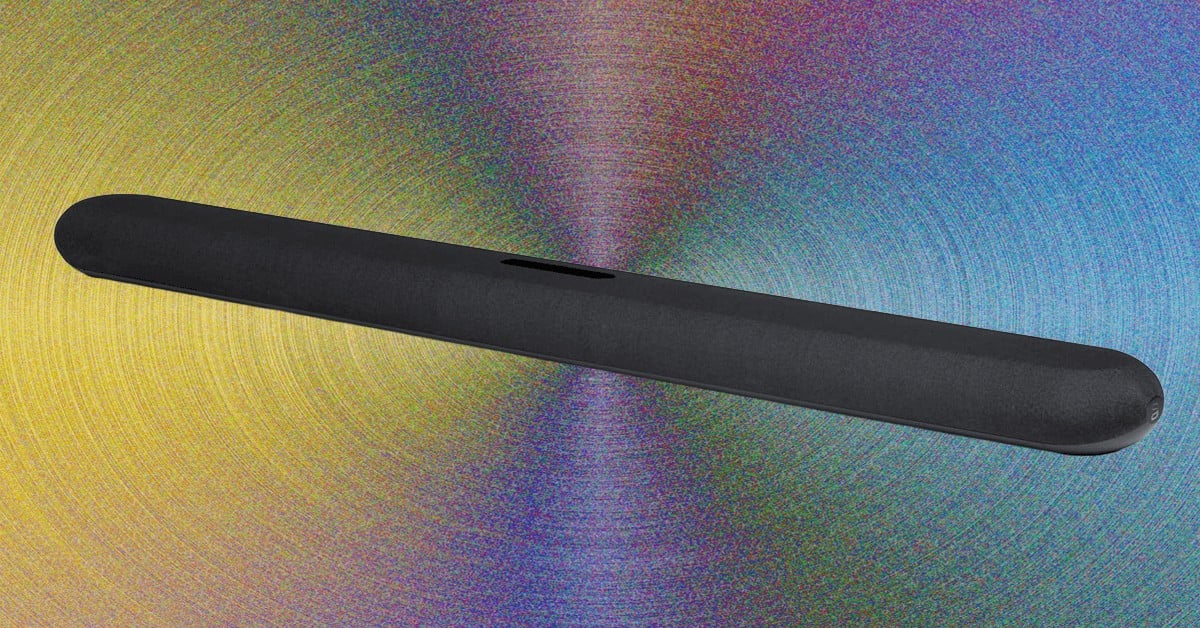
Bluesound, a Canadian audio company known for its high-resolution, multi-room systems, has entered the Dolby Atmos soundbar market with the $1,499 Pulse Cinema. This new offering directly competes with Sonos, particularly as some customers seek alternatives following Sonos’s recent software issues. The Pulse Cinema aims to deliver audiophile-grade sound in a streamlined package.
A Direct Challenge to Sonos
For years, Sonos has dominated the premium soundbar space. The Bluesound Pulse Cinema isn’t just a competitor; it is designed to win over users who value lossless audio formats and are willing to pay a premium for it, with prices typically 30-50% higher than Sonos equivalents. The Pulse Cinema stands out with its robust connectivity—including HDMI-ARC/eARC, analog, digital, USB, Bluetooth with aptX Adaptive, Ethernet, and a wired subwoofer output—features often missing from competitors like the Arc Ultra.
Performance: Detail and Clarity
The 3.0.2-channel soundbar packs a 500-watt, 12-driver array delivering impressive detail for both movies and music. The Pulse Cinema excels in dialog clarity, ensuring voices are centered and intelligible even in chaotic scenes. Low frequencies are well-represented by the dual built-in woofers, while the tweeter and midrange pairs create a wide, immersive soundstage.
Critical listeners will appreciate the soundbar’s precision; it reveals details overlooked by other devices. The Pulse Cinema’s rendering of music is particularly strong, with a wider soundstage and clearer separation of elements compared to the Arc Ultra.
Limitations: Atmos and Customization
Despite its strengths, the Pulse Cinema falls short of the top Atmos experiences. In action-heavy scenes—like gunfire in No Time To Die —the immersive effects aren’t as pronounced as on the Arc Ultra or Sennheiser Ambeo Soundbar Plus.
Further, the Pulse Cinema lacks EQ settings, limiting customization. The factory tuning may not suit all listeners, and without even basic tone controls, there’s no workaround. Bluesound plans software updates to address these shortcomings, including expansion to a 5.1.2 system via external speakers, LFE processing, and discrete channel level adjustments, but timing remains uncertain.
The BluOS Ecosystem: Convenience with Caveats
Bluesound’s BluOS app is fast and intuitive for managing multiple speakers, but it has limitations. Apple Music users will need a third-party device (like an Apple TV 4K) for lossless audio, while Google Cast and YouTube Music are unsupported. Dolby Atmos Music support is also missing, requiring Apple Music or Tidal through an external streamer.
The Verdict: A Promising Start
The Bluesound Pulse Cinema is a strong first attempt at a Dolby Atmos soundbar. It delivers exceptional sound quality, particularly for music, and offers robust connectivity. However, software limitations and the lack of customization prevent it from fully competing with established players like Sonos. For audiophiles prioritizing high-resolution audio, the Pulse Cinema is a compelling choice, but others may want to wait for future updates or consider alternative options like the Sonos Arc Ultra or Samsung’s immersive systems.