
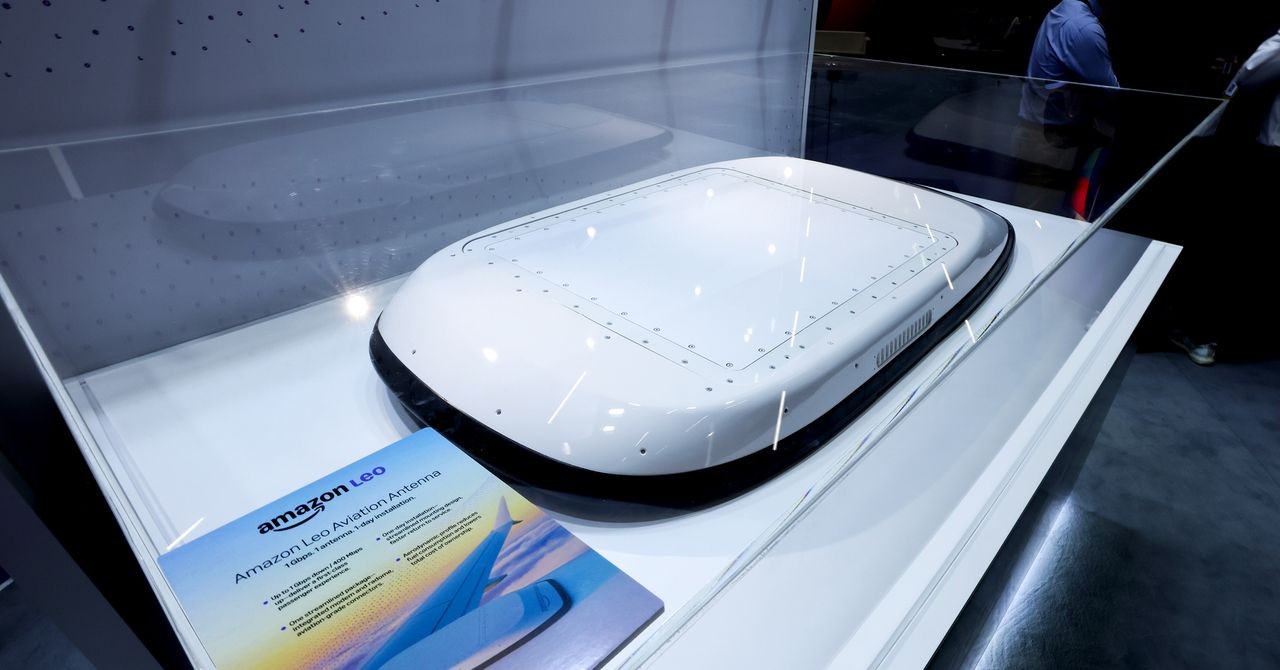
Amazon has announced a massive $11.57 billion acquisition of Globalstar, a move that signals a major shift in the race for global satellite dominance. By bringing Globalstar’s low-Earth-orbit (LEO) satellite technology under its umbrella, Amazon is positioning itself to compete directly with Elon Musk’s SpaceX/Starlink and expand its reach far beyond the limits of traditional cell towers.
The Strategic Play: Why Amazon is Moving into Orbit
Amazon’s interest in space isn’t just about internet access; it is about building a seamless, global infrastructure. Through its Project Leo initiative, Amazon aims to deploy thousands of satellites to bridge the connectivity gap in rural areas, oceans, and remote regions where terrestrial networks fail.
The acquisition of Globalstar provides Amazon with several immediate advantages:
- Instant Infrastructure: Instead of building from scratch, Amazon inherits Globalstar’s existing network of 24 satellites.
- Spectrum Rights: Globalstar holds pre-approved wireless spectrum licenses. This allows for “direct-to-device” communication, meaning satellites can talk directly to smartphones without needing specialized hardware.
- Logistics Mastery: Globalstar’s GPS asset-tracking technology is a perfect fit for Amazon’s core business, offering enhanced precision for tracking packages and delivery fleets.
The Apple Connection: Impact on Your iPhone
For many consumers, the most immediate impact of this deal involves their mobile devices. Apple has long relied on Globalstar to power its Emergency SOS via satellite features on the iPhone 14 and later, as well as the Apple Watch Ultra.
While Amazon and Apple have signed an agreement to ensure these services continue for current and future devices, the partnership raises a subtle but important question regarding data privacy. Apple has built its brand on user privacy, whereas Amazon has faced scrutiny over how it manages user data across its vast ecosystem. As satellite connectivity becomes a standard feature in smartphones, the tension between seamless connectivity and data security will likely become a central debate.
The Battle for Low-Earth Orbit (LEO)
Amazon is entering a crowded arena. SpaceX’s Starlink is currently the undisputed leader, with nearly 10,000 satellites already in orbit and plans to launch even more.
This “space race” is driven by the growing demand for satellite internet, which is increasingly essential for the expansion of AI technologies and global data needs. However, this rapid expansion comes with significant risks:
1. The “Kessler Syndrome” Risk
Astronomers warn of a potential catastrophe known as the Kessler syndrome —a scenario where the density of objects in orbit is so high that a single collision triggers a cascade of debris, creating a cloud of “space junk” that makes orbit unusable for generations.
2. A Regulatory “Free-for-All”
As companies rush to claim orbital slots, experts describe the current environment as a “mad rush.” There is a growing call for international laws to regulate space expansion, prevent collisions, and manage the sheer volume of hardware being launched into the sky.
3. Impact on Astronomy
The sheer number of satellites can interfere with scientific research by reflecting light and radio frequencies. While Amazon has reportedly taken steps to mitigate light pollution from its satellites, the cumulative effect of thousands of new objects remains a major concern for the global scientific community.
Looking Ahead
Amazon expects the Globalstar deal to close by 2027, pending regulatory approval. In the meantime, Project Leo is moving forward, with hundreds of satellites scheduled for launch through 2027.
The transition from terrestrial to satellite-based connectivity is no longer a futuristic concept—it is a rapidly accelerating reality that will redefine how the world stays connected, even as it creates new challenges for space safety and privacy.
Conclusion: Amazon’s acquisition of Globalstar is a strategic move to dominate the direct-to-device market and challenge SpaceX, but it also accelerates the urgent need for international space regulation to prevent orbital chaos.