
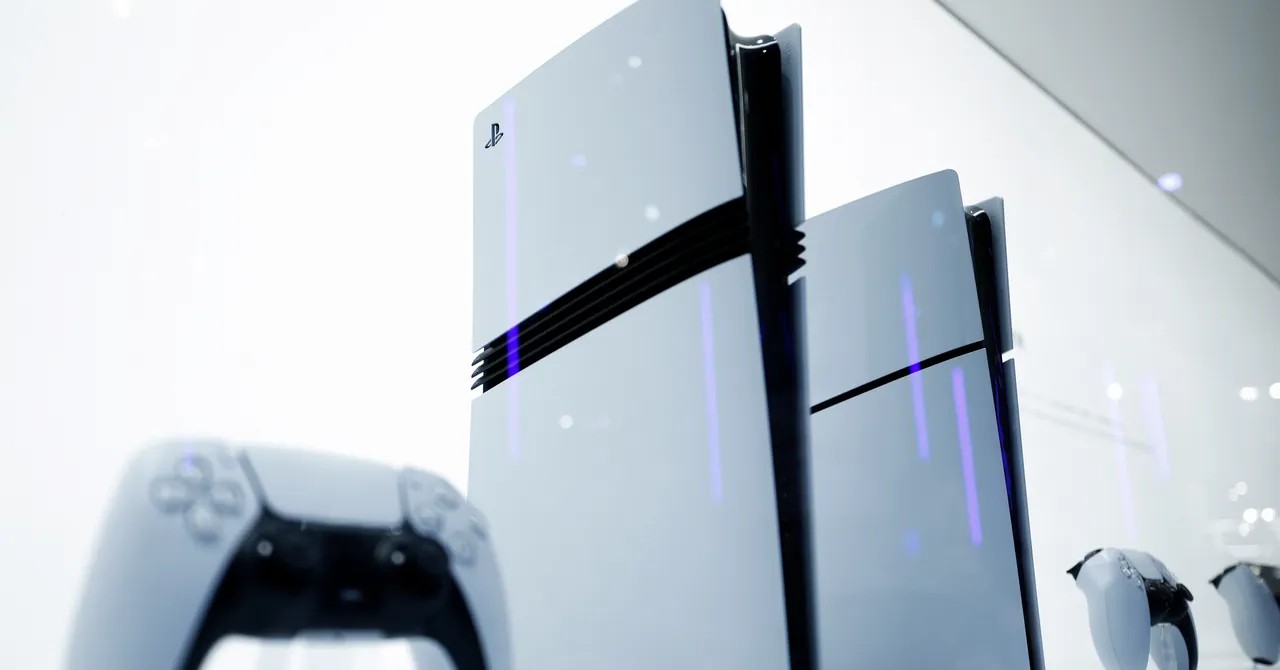
If you have been waiting for a PlayStation 5 price drop to finally join the current generation, you may have to wait much longer than expected. Instead of the traditional mid-cycle discounts, Sony has implemented significant price increases across its entire PS5 lineup.
While these hikes are a blow to consumers, they reveal a deeper shift in the gaming industry. We are witnessing a departure from historical pricing trends, driven by global component shortages and the massive resource demands of the AI boom.
Breaking the Generational Cycle
Historically, the “mid-life” of a console generation is defined by affordability. For example, the PlayStation 4 launched at $400 in 2013 and was retailing for $300 by 2018. As manufacturing processes mature and component costs drop, companies typically lower prices to attract latecomers and expand their user base.
The current generation is defying this logic. Rather than becoming cheaper, the PS5 is becoming more expensive. Recent price adjustments include:
- PS5 Digital Edition: Now $600 (a 50% increase from its $400 launch price).
- PS5 Disc Edition: Now $650 (up 30% from its $500 launch price).
- PS5 Pro: Retailing at $900, notably excluding a disc drive.
- PlayStation Portal: Increased from $200 to $250.
The “AI Factor” and Component Scarcity
The primary culprit behind these rising costs isn’t just inflation; it is the AI revolution. The massive demand for high-performance hardware to power artificial intelligence has sent prices skyrocketing for critical components like RAM and SSD storage.
This is not a Sony-specific problem. The entire tech landscape is feeling the squeeze:
* Microsoft: Has increased Xbox hardware and GamePass subscription costs throughout 2025.
* Nintendo: Reports suggest the Switch 2 may see price hikes in 2026.
* Valve: The Steam Deck is facing intermittent stock shortages due to memory and storage scarcity, and the upcoming “Steam Machine” remains in limbo due to rising component costs.
This scarcity has profound implications for the future. Rumors suggest that the next generation of consoles—such as the PlayStation 6—could be delayed as far as 2029 as manufacturers wait for more stable supply chains.
The Silver Lining: A Longer Lifecycle
While higher prices are frustrating, this delay offers a unique benefit: breathing room.
The current generation was launched during the height of the COVID-19 pandemic, characterized by broken supply chains and extreme scarcity. Because many players couldn’t access consoles during the initial launch window, there is still a massive, untapped audience of gamers who have yet to move to modern hardware.
Furthermore, the industry may be hitting a point of diminishing returns. The jump from 4K to 8K resolution, for instance, has been hampered by a lack of consumer-ready 8K televisions. Pushing the next generation of hardware to support hyper-advanced graphics might be premature if the average consumer’s living room isn’t ready to display them.
Looking Ahead: Patience Over Panic
There are signs of hope on the horizon. As the “AI bubble” shows signs of deflating—evidenced by recent shifts in how companies like OpenAI approach hardware procurement—component prices like DRAM may begin to stabilize.
If Sony and Microsoft are wise, they will resist the urge to rush a new, prohibitively expensive generation to market. Instead, they will wait for production costs to normalize.
The Bottom Line: The current era of gaming is becoming more expensive and potentially longer-lasting. While the price hikes are painful, they suggest that the current generation will remain the dominant force in gaming for several more years, providing ample time for players to enjoy a maturing library of titles.