
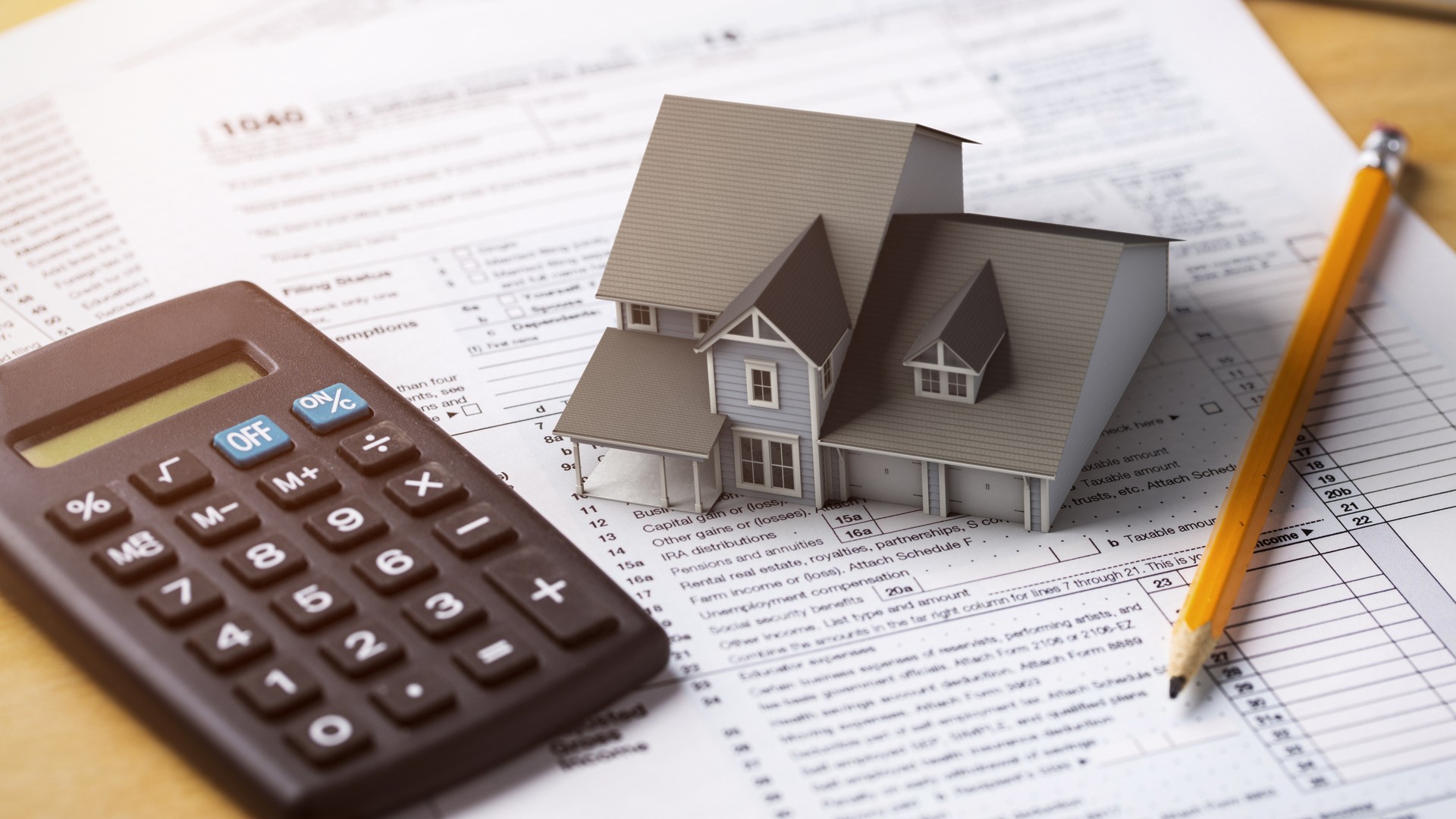
Buying a home involves significant costs, but recent legislation and existing tax breaks offer opportunities for homeowners to reduce their tax burden. These deductions and credits can save you hundreds or even thousands of dollars when filing your 2025 taxes. To benefit, you’ll likely need to itemize deductions rather than take the standard deduction, so compare the two to determine what works best for you. The 2026 standard deduction is $32,000 for married couples filing jointly and $16,100 for single filers. Here are four key tax advantages to be aware of:
State and Local Tax (SALT) Deduction
The One Big Beautiful Bill Act (OBBBA) has expanded the SALT deduction for many homeowners. The federal limit is now $20,000 ($40,000 for joint filers), though it phases out for incomes exceeding $500,000. This deduction covers property, income, and sales taxes paid at the state and local levels.
Why it matters: High property tax states like New Jersey and California can see significant savings.
Residential Clean Energy Credit
Homeowners who made qualifying energy-efficient upgrades in 2025 may qualify for a credit covering 30% of installation costs. Eligible systems include solar panels and wind turbines. However, the credit will decrease to 22% in 2033 and won’t be available for installations in 2026.
Why it matters: The push for renewable energy is incentivized through tax breaks, making eco-friendly upgrades more affordable.
Mortgage Interest Deduction
The mortgage interest deduction remains permanent. Homeowners can deduct interest paid on up to $375,000 ($750,000 for joint filers) of a mortgage used for buying, building, or improving a primary or secondary residence. Private mortgage insurance (PMI) is now also deductible as mortgage interest, fully deductible for those with adjusted gross incomes (AGI) of $100,000 or less. Home equity lines of credit (HELOCs) and home equity loans (HELs) used for property improvements also qualify. Discount points paid upfront to lower mortgage rates may also be deductible.
Why it matters: This deduction is a substantial benefit for homeowners with larger mortgages, reducing their overall cost of borrowing.
Home Office Deduction
Self-employed individuals, freelancers, and business owners can claim a home office deduction if they have a dedicated workspace. There are two methods:
1. Simplified method: Deduct $5 per square foot (up to 300 sq ft, max $1,500).
2. Regular method: Calculate actual expenses allocated to business use.
Why it matters: This deduction is especially valuable for remote workers, allowing them to offset home-related expenses against their business income.
These tax breaks are subject to change, so consult a tax professional for the most current guidance. Taking advantage of these deductions requires proper record-keeping and itemizing when filing your taxes.