
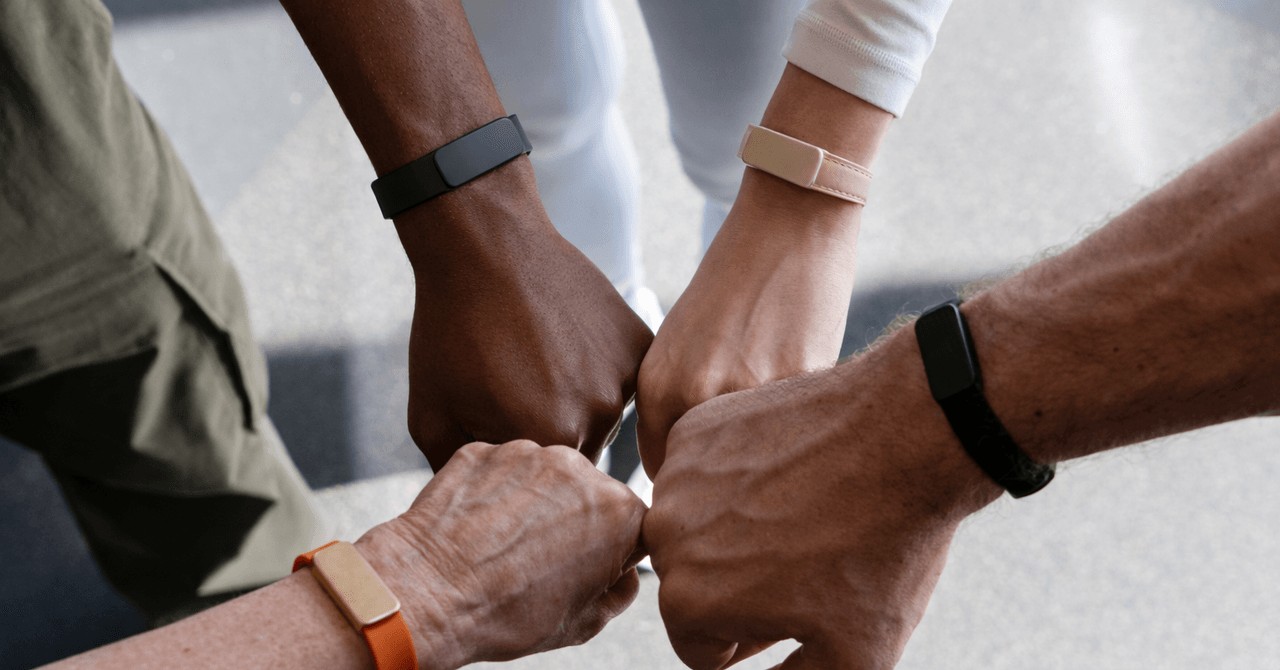
For years, fitness trackers have struggled to accurately log strength training. While cardio is easily measured by heart rate and movement, lifting weights demands more precise data—reps, sets, velocity, and fatigue levels. Now, Fort, a new wearable from a team of ex-Tesla engineers, promises to change that with hands-free weight-lifting tracking and comprehensive fitness analytics.
The Problem with Current Trackers
Existing fitness trackers often fail to recognize strength training accurately. Many require manual input, which is tedious, or rely on heart rate alone, which isn’t reliable for slower, heavier lifts. Even the latest auto-recognition features from brands like Garmin and Amazfit are inconsistent unless used with proprietary workouts. This creates a gap in the market for a dedicated solution that understands the nuances of strength training.
Introducing Fort: Velocity-Based Tracking on Your Wrist
Fort aims to solve this with a sleek, bracelet-like wearable that tracks lifting velocity using built-in IMU sensors (accelerometer, gyroscope, magnetometer). The key innovation lies in its ability to detect exercise type, concentric, eccentric, or isometric phases, and provide real-time metrics like fatigue, range of motion, and estimated max weight.
The company’s founders—Miranda Nover, Zac Valles, and Paul Schneider—all previously worked at Tesla on hardware and sensor systems. Their engineering background gives Fort a clear advantage in hardware design. The device itself weighs under 30 grams, is waterproof, boasts a week-long battery life, and comes with interchangeable straps made from aluminum, silicone, sport weave, or leather.
Beyond Velocity: A Full-Suite Fitness Tracker
Fort doesn’t stop at strength training. It also monitors sleep stages, stress levels, overnight HRV, and VO2 max. Users can input activities manually during beta testing, and the company aims to build the largest clean dataset on strength training. The device will ship with pre-programmed tracking for 50 exercises and their variations.
The Price of Precision
Fort is available for preorder now at $289, including the first year of an $80 annual subscription. This pricing positions Fort competitively against other fitness trackers like Whoop, which charges $199 annually on top of the hardware cost.
Why This Matters
The growing interest in strength training—fueled by a 20%+ annual increase in users (especially women), according to Garmin and Oura—demands better tracking solutions. Fort’s approach could finally make logging workouts seamless and accurate, motivating more people to embrace strength training for its benefits: improved blood sugar, mobility, and overall health.
Ultimately, Fort isn’t just about tracking reps; it’s about making strength training accessible and data-driven for everyone, not just the “gym bro archetype.”