
Recent developments across healthcare, geopolitics, and technology reveal a world in rapid transition. This includes breakthroughs in cellular medicine, the strategic implications of conflict on vital industries, and the increasing influence of artificial intelligence in everything from drug cartels to personal health management. Here’s a breakdown of key trends:
Medical Breakthroughs & Personal Health
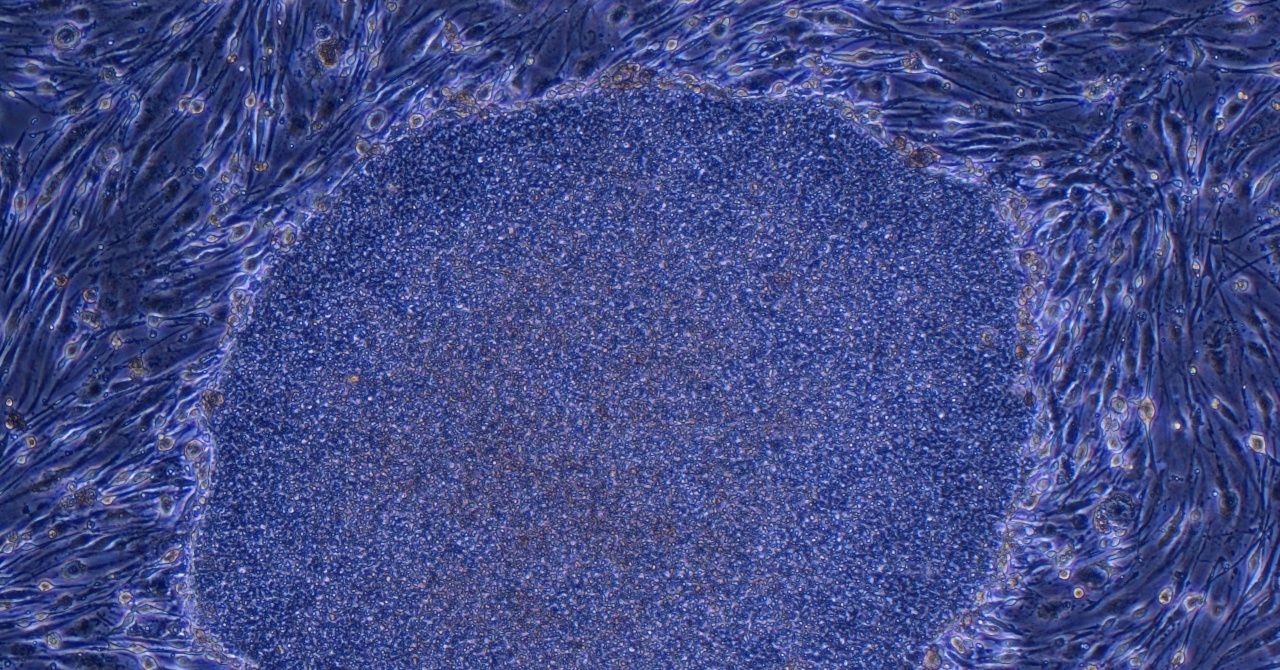
Japan Approves the World’s First Treatment Made With Reprogrammed Human Cells: This marks a milestone in regenerative medicine, potentially revolutionizing treatment for conditions previously considered incurable. The approval signals a shift towards personalized medicine and could accelerate similar research globally.
Sleep Apnea Often Goes Undetected in Women. That’s Starting to Change: For years, sleep apnea research has been heavily biased towards male physiology. The growing recognition of differing symptoms in women is crucial for accurate diagnosis and treatment, addressing a significant healthcare gap.
AI Digital Twins Are Helping People Manage Diabetes and Obesity: Silicon Valley startup Twin Health is leveraging AI and wearable sensors to provide personalized health interventions, offering an alternative to costly medications like GLP-1 drugs. This represents a growing trend of tech-driven self-management of chronic conditions.
How to Monitor Your Blood Pressure at Home: With hypertension rates rising, the availability of at-home monitoring tools has never been greater. This empowers individuals to take proactive control of their health, reducing reliance on traditional clinical visits.
Tech, Conflict & Global Risk
The War on Iran Puts Global Chip Supplies and AI Expansion at Risk: The semiconductor industry is highly dependent on fragile supply chains in the Middle East, from helium extraction in Qatar to shipping lanes in the Strait of Hormuz. Escalation could severely disrupt chip production, impacting AI development and other tech sectors.
How Chinese AI Chatbots Censor Themselves: Research indicates that Chinese AI models are more likely to avoid political questions or provide inaccurate answers compared to Western counterparts. This highlights the influence of government control over AI development and the potential for biased information dissemination.
How Mexico’s ‘CJNG’ Drug Cartel Embraced AI, Drones, and Social Media: The Jalisco cartel, even after its leader’s death, has demonstrated a sophisticated adoption of technology, including AI, drones, and social media for logistical support and operational efficiency. This underscores how criminal organizations are exploiting advanced technologies to maintain power.
Missile Attacks Are Overwhelming the Gulf. Delivery Drivers Are Still on the Roads: Despite ongoing conflicts and disruptions, basic services like food delivery continue operating in high-risk zones. This highlights the resilience of everyday infrastructure amidst geopolitical instability.
Emerging Tech & Regulatory Challenges
What It’s Like to Have a Brain Implant for 5 Years: Rodney Gorham, the longest-standing Synchron brain-computer interface user, demonstrates the potential for long-term human-machine integration. The case provides valuable data on the sustainability and adaptability of such implants.
The War Over Prediction Markets Is Just Getting Started: Platforms like Kalshi and Polymarket are growing in popularity, but face regulatory scrutiny as lawmakers debate their legality. The conflict raises questions about the role of speculative markets in shaping public perception and financial outcomes.
What to Know About At-Home STI Tests: Benefits and Drawbacks Explained: At-home STI testing offers convenience but also carries risks, including false negatives or inaccurate results. Consumers must weigh the benefits against potential drawbacks before using such services.
What Is Creatine, and Should You Be Taking It?: Creatine remains the most studied supplement in sports medicine, but its benefits extend beyond athletic performance. The science behind its effectiveness is robust, making it a viable option for those looking to enhance physical or cognitive function.
These developments underscore the interconnectedness of global systems: from medical innovation and geopolitical tensions to the pervasive influence of AI and criminal adaptation. Staying informed about these trends is critical for navigating an increasingly complex world.