
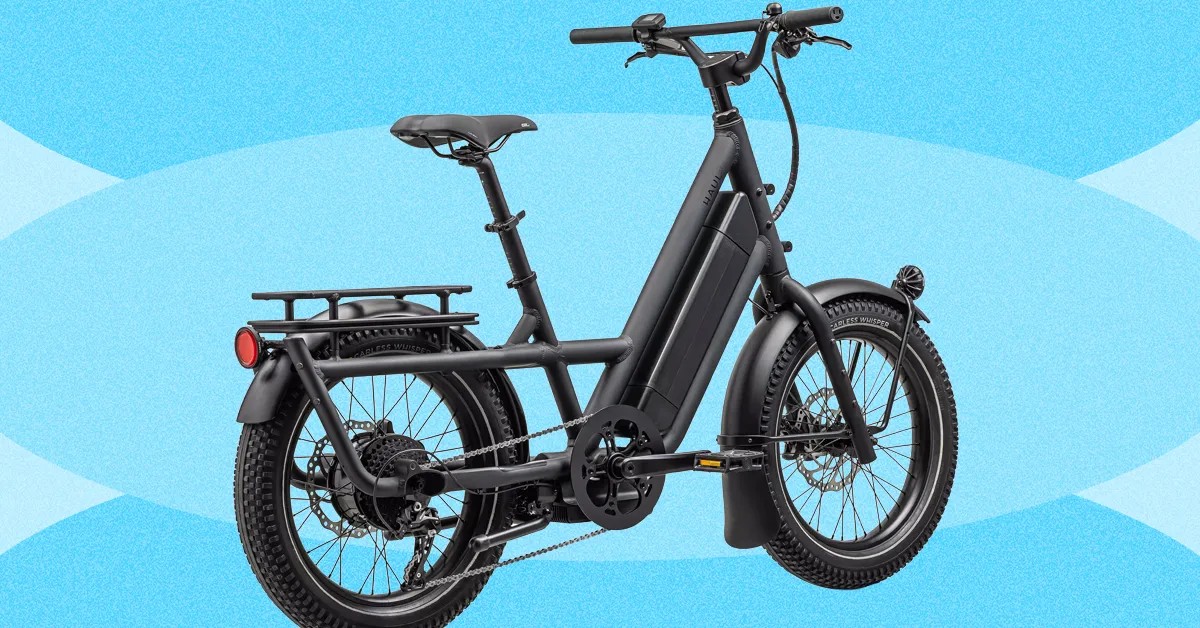
As urban mobility shifts away from cars toward more sustainable alternatives, electric cargo bikes have emerged as a serious contender for transporting everything from groceries to children. However, because these vehicles carry significantly more weight than standard bicycles, choosing the right one requires more than just picking a color.
To make an informed decision, riders must balance configuration, payload capacity, and technical reliability.
1. Selecting Your Configuration: Long John vs. Longtail
The first major decision is the physical layout of the bike. There are two primary designs, each serving different lifestyle needs:
The Front-Loader (Long John / Bakfiets)
These bikes feature a large cargo box suspended between the rider and the front wheel.
– Best for: Transporting children, large bulky items (like garden tools), or heavy groceries.
– Pros: High capacity and excellent visibility of the cargo.
– Cons: They are significantly heavier, harder to maneuver over curbs, and can feel less stable at low speeds. They also require dedicated storage space, such as a garage, and high-security locking systems.
The Longtail (Mid-tail)
These bikes extend the rear frame of the bicycle to create extra space for passengers or gear.
– Best for: Riders who want a more traditional cycling feel or those with limited storage space.
– Pros: Generally easier to handle and more agile than front-loaders.
– Cons: Payload is often limited to the rear rack area, which may not accommodate the same volume of bulky goods as a front-loader.
2. Critical Performance Metrics: Payload and Range
When evaluating a cargo ebike, two technical specifications will dictate your daily experience: how much you can carry and how far you can go.
- Total Payload: If your goal is to transport multiple passengers alongside heavy cargo, a higher payload capacity is non-negotiable. While a standard 250-watt motor can handle a single passenger on flat asphalt, you will likely require a more powerful motor if you plan on navigating hills or pulling a trailer.
- Battery Capacity and Range: For commuters traveling more than 10–12 miles per trip, range becomes a concern. Look for models with dual-battery capacity. While adding a second battery increases the bike’s total weight, it is the most effective way to ensure you don’t run out of power mid-trip.
3. Safety and Component Standards
Because cargo bikes operate under heavy loads, certain safety features are essential rather than optional:
- UL Certification: This is a critical safety standard. UL-certified ebikes have undergone third-party testing to ensure their electrical systems are safe and do not pose a fire risk in your home or garage.
- Hydraulic Disc Brakes: Unlike mechanical brakes, hydraulic systems provide much more consistent stopping power, which is vital when you are carrying heavy weight or riding in wet weather.
4. The Motor Debate: Proprietary vs. Bosch Systems
Many brands, such as Lectric and Aventon, use proprietary motor and drivetrain systems. While these can offer high power outputs at competitive prices, there is a strong case for choosing a Bosch system.
| Feature | Proprietary Systems | Bosch Systems |
|---|---|---|
| Power | Often highly optimized for specific models. | Consistent, high-quality performance. |
| Serviceability | May require specialized dealers. | Extensive global service network. |
| Ride Feel | Can sometimes feel “jerky” or “twitchy.” | Smooth, natural-feeling pedal assistance. |
| Software | Limited to the manufacturer. | Continuous updates and integrated apps (e.g., eBike Flow). |
The Bottom Line on Service: Choosing a Bosch system often means better long-term peace of mind. Most local ebike shops are trained to repair Bosch components, whereas they may be unable to service specialized, in-house brand motors.
Conclusion
Selecting an electric cargo bike is a balance of choosing the right frame for your cargo, ensuring the motor and battery can handle your specific routes, and prioritizing safety through UL certification and reliable braking. For most users, the ease of maintenance and smooth ride provided by a premium system like Bosch outweighs the raw power of proprietary alternatives.