
Five years after Google’s $2.1 billion acquisition of Fitbit, the brand has undergone a significant identity shift. Now operating as Google Fitbit, the lineup has evolved from simple step counters into a sophisticated ecosystem of health-focused wearables.
While the market for fitness trackers has become increasingly crowded, Fitbit maintains a unique niche. It remains a go-to choice for users who prioritize user-friendly interfaces, actionable sleep data, and long battery life over the high-maintenance, daily-charging requirements of many premium smartwatches.
Whether you are a fitness enthusiast, a parent looking for a safe device for your child, or someone simply looking to monitor their health, here are our top Fitbit recommendations for 2026.
🏆 The Best Overall: Fitbit Charge 6
The ideal balance of features and price.
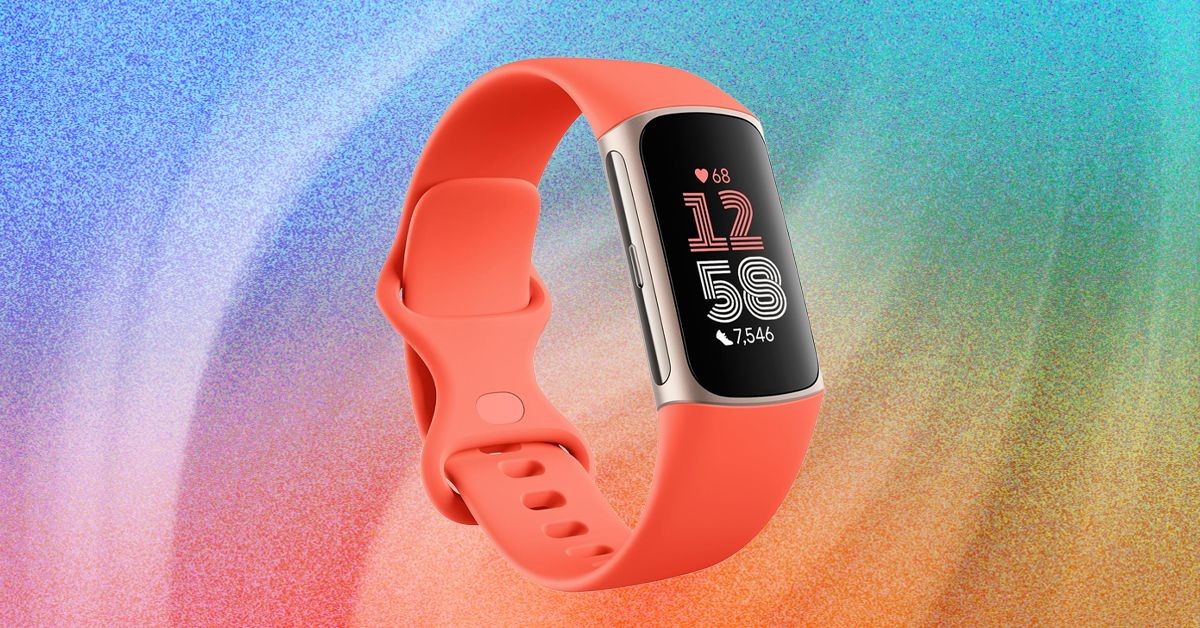
The Charge 6 remains the gold standard for most users. It successfully bridges the gap between a slim fitness band and a powerful smartwatch.
- Key Upgrades: It features a bright AMOLED touchscreen and, crucially, the return of the physical side button for easier navigation.
- Advanced Connectivity: A standout feature is its ability to sync heart rate data directly with gym equipment like Peloton bikes or NordicTrack treadmills.
- Health & Tech: It tracks heart rate, blood oxygen, skin temperature, and ECG to detect irregular rhythms. Integration with Google has also brought Google Maps and Google Wallet to the wrist.
- Verdict: If you want a device that tracks everything from stress to sleep with high accuracy and a week-long battery, this is the one to buy.
💰 The Best Budget Option: Fitbit Inspire 3
Maximum battery life for minimal cost.
If you want the essentials without the premium price tag, the Inspire 3 is the most efficient choice.
- Battery King: It boasts the longest battery life in the lineup, lasting up to 10 days on a single charge.
- The Trade-offs: To keep the price low, you sacrifice built-in GPS (relying on your phone instead), NFC for payments, and advanced stress-tracking sensors.
- Verdict: Perfect for beginners or those who simply want a reliable, “set it and forget it” device for step counting and sleep monitoring.
🧒 The Best for Kids: Fitbit Ace LTE
A gamified approach to fitness for ages 7–14.
Moving away from the basic band format, the Ace LTE is a rugged smartwatch designed specifically to appeal to children.
- Safety & Connection: It includes LTE connectivity, allowing parents and children to communicate via calls, and utilizes Google Maps for location tracking.
- Engagement: It uses a “Tamagotchi-style” interactive experience to make movement fun, rewarding kids with virtual badges and games.
- Durability: Built with Gorilla Glass 3 and water resistance up to 50 meters, it can withstand the rigors of childhood.
- Note: To access the full suite of features, a monthly subscription is required.
⌚ The Best Smartwatch: Fitbit Versa 4
A Fitbit-centric alternative to the Pixel Watch.
While Google’s Pixel Watch dominates the high-end market, the Versa 4 is for those who prefer the Fitbit software experience with much better endurance.
- Design: It features a large, vibrant 1.5-inch AMOLED display and a classic curved design with a physical button.
- Smart Features: Instead of third-party apps, it leans into the Google ecosystem, offering Google Assistant and Google Maps.
- Battery Life: Unlike many smartwatches that require nightly charging, the Versa 4 can last up to six days.
- Verdict: Best for users who want to manage notifications and track fitness without the “battery anxiety” of a standard smartwatch.
🩺 The Best for Health Tracking: Fitbit Sense 2
A deep dive into physiological data.
The Sense 2 is designed for users who view their wearable as a proactive health tool rather than just a fitness accessory.
- Medical-Grade Insights: It includes an ECG sensor to detect signs of atrial fibrillation and a SpO2 sensor to monitor breathing disturbances during sleep.
- Stress Management: It utilizes an electrical cEDA sensor to measure skin response, providing insights into your body’s physiological stress levels.
- Holistic Monitoring: From skin temperature trends to heart rate variability, it offers the most comprehensive data set in the Fitbit lineup.
- Verdict: This is the premier choice for health-conscious users who want to monitor potential wellness trends and sleep disorders.
Summary Table at a Glance
| Model | Best For | Key Strength | Est. Battery |
|---|---|---|---|
| Charge 6 | Most Users | Versatility & Gym Sync | ~7 Days |
| Inspire 3 | Budget/Beginners | Price & Longevity | ~10 Days |
| Ace LTE | Kids (7–14) | Safety & Gamification | ~16 Hours |
| Versa 4 | Smartwatch Fans | Google Integration | ~6 Days |
| Sense 2 | Health Enthusiasts | Advanced Bio-sensors | Varies |
Final Thought: Choosing the right Fitbit depends on your priority: if you want simplicity, go with the Inspire 3; if you want comprehensive health data, the Sense 2 is unmatched; and for the all-around best experience, the Charge 6 remains the top contender.