
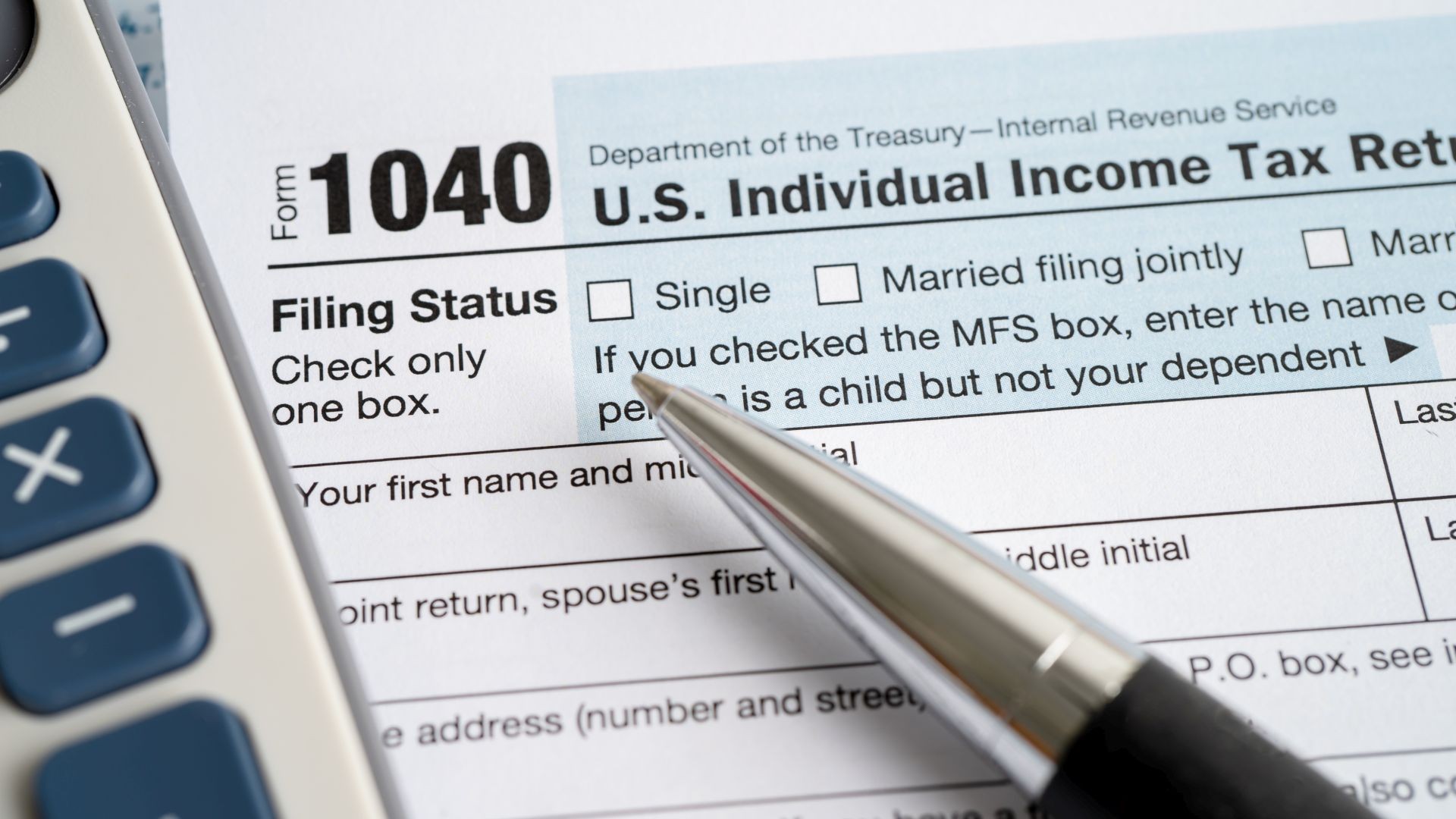
Tax season isn’t just about filing returns; it’s a pivotal moment for securing your financial future. Decisions made on your 2025 tax return can directly affect your retirement income in 2026, particularly concerning Social Security taxation and Medicare premiums.
The Ripple Effect of Current Tax Choices
The U.S. tax system is structured so that when you report income or take deductions matters as much as how much. Shifting income or accelerating deductions can move you into a different tax bracket, and once the year closes, those decisions are locked in. This means proactive planning before filing is essential.
Hidden Medicare Costs: IRMAA
Many retirees are unaware that Medicare Part B and Part D premiums are based on income from two years prior. A sudden income spike – such as from a Roth conversion or a large IRA withdrawal – can trigger Income-Related Monthly Adjustment Amounts (IRMAA), raising your Medicare costs for an entire year. Even temporary income increases can lead to higher premiums in 2026, reducing your available cash.
Social Security Taxation and Income Thresholds
Your reported income also influences how much of your Social Security benefits are taxable. If your combined income exceeds certain limits, up to 85% of your benefits can be taxed. Strategic adjustments on your 2025 return can minimize this impact and preserve more cash flow. This isn’t just about the current year; income reported now has lasting effects on future retirement benefits.
Smart Moves for Retirement Protection
Several strategies can help manage both current taxes and future income:
- Roth IRA Conversions: Move assets from a traditional IRA to a Roth IRA by paying taxes now, ensuring future withdrawals are tax-free if you meet the age and holding period requirements.
- Qualified Charitable Distributions (QCDs): For those 70½ or older, direct donations from an IRA to a qualified charity reduce taxable income and can lower IRMAA surcharges.
- Strategic Timing: Spreading out large income events over multiple years can help avoid triggering higher tax brackets or Medicare surcharges.
Common Mistakes to Avoid
Many retirees unintentionally increase their taxes or reduce benefits due to simple oversights:
- Large IRA/401(k) Distributions: Can push income into a higher tax bracket.
- One-Time Transactions: Like large Roth conversions or capital gains, can raise MAGI and trigger IRMAA.
- Poor Timing: Failing to consider income thresholds when taking Social Security benefits.
Cryptocurrency and Tax Efficiency
Unlike stocks, most cryptocurrency holdings aren’t subject to wash sale rules. Selling at a loss and repurchasing shortly after allows you to offset capital gains, improving tax efficiency.
Ultimately, thoughtful planning before filing your 2025 taxes is a crucial opportunity to secure your retirement accounts and ensure a financially comfortable future. Delaying these decisions can have long-term consequences on your retirement income.