
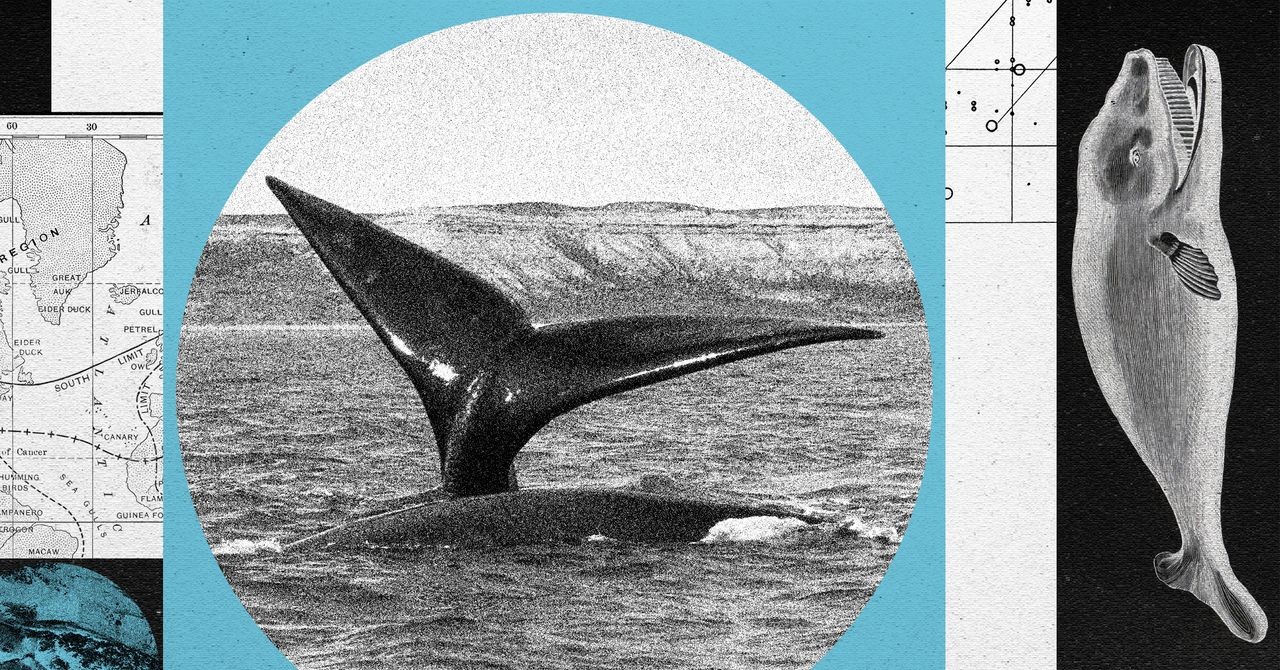
After decades of decline, the North Atlantic right whale population is experiencing an unusual baby boom, with at least 21 calves born during the current calving season—a significant increase from the 11 recorded last year. This rare surge in births offers a glimmer of hope for a species teetering on the brink of extinction, yet experts emphasize that long-term survival remains far from guaranteed.
A Species on the Edge
The North Atlantic right whale population has plummeted from thousands in the 18th and 19th centuries to just 384 individuals today, a consequence of unchecked commercial whaling. Despite some protections, the species continues to face severe threats: vessel strikes and entanglement in fishing gear remain the leading causes of death. In 2017, a devastating 18 whales died in just six months, highlighting the fragility of the population.
The recent surge in births, while encouraging, does not change the fundamental risk facing right whales. A single cluster of collisions or entanglements could quickly reverse progress, as tragically illustrated by the death of a young calf, struck by a vessel off the coast of Georgia, despite initial optimism and public sightings.
Individual Stories in a Collective Struggle
Researchers like Julie Albert of the Blue World Research Institute have tracked individual whales for decades. The case of “Callosity Back,” a whale identified by unique markings on her skin in 2007, exemplifies the long-term monitoring efforts. Her recent return to Florida with a calf after 19 years represents a small victory, but does not alter the broader crisis.
The emotional toll on those working to protect these whales is high. Photographer Joel Cohen recounts the heartbreak of documenting a calf’s death after a vessel strike, a trauma that continues to haunt him. Despite such losses, conservationists emphasize the resilience of the species, noting that some females have given birth again after previous calf deaths.
Conservation Efforts and Remaining Challenges
To mitigate the threats, Canada has implemented dynamic fishing management, temporarily closing areas to fishing when whales are present. Advances in tracking technology, including the use of ocean-going gliders, are also helping reduce vessel strikes. However, these measures require consistent enforcement and widespread adoption to be effective.
Researchers continue to study whale behavior, including using photogrammetry to assess pregnancy and analyzing fecal samples for hormone levels. These efforts provide critical data, but ultimately, the fate of the North Atlantic right whale depends on sustained human intervention.
Despite the challenges, conservationists remain hopeful. The recent baby boom, combined with ongoing regulatory improvements and increased awareness, suggests that recovery is possible—but only if the species receives continued protection. The future of the North Atlantic right whale hangs in the balance, dependent on a combination of scientific monitoring, regulatory enforcement, and public vigilance.