
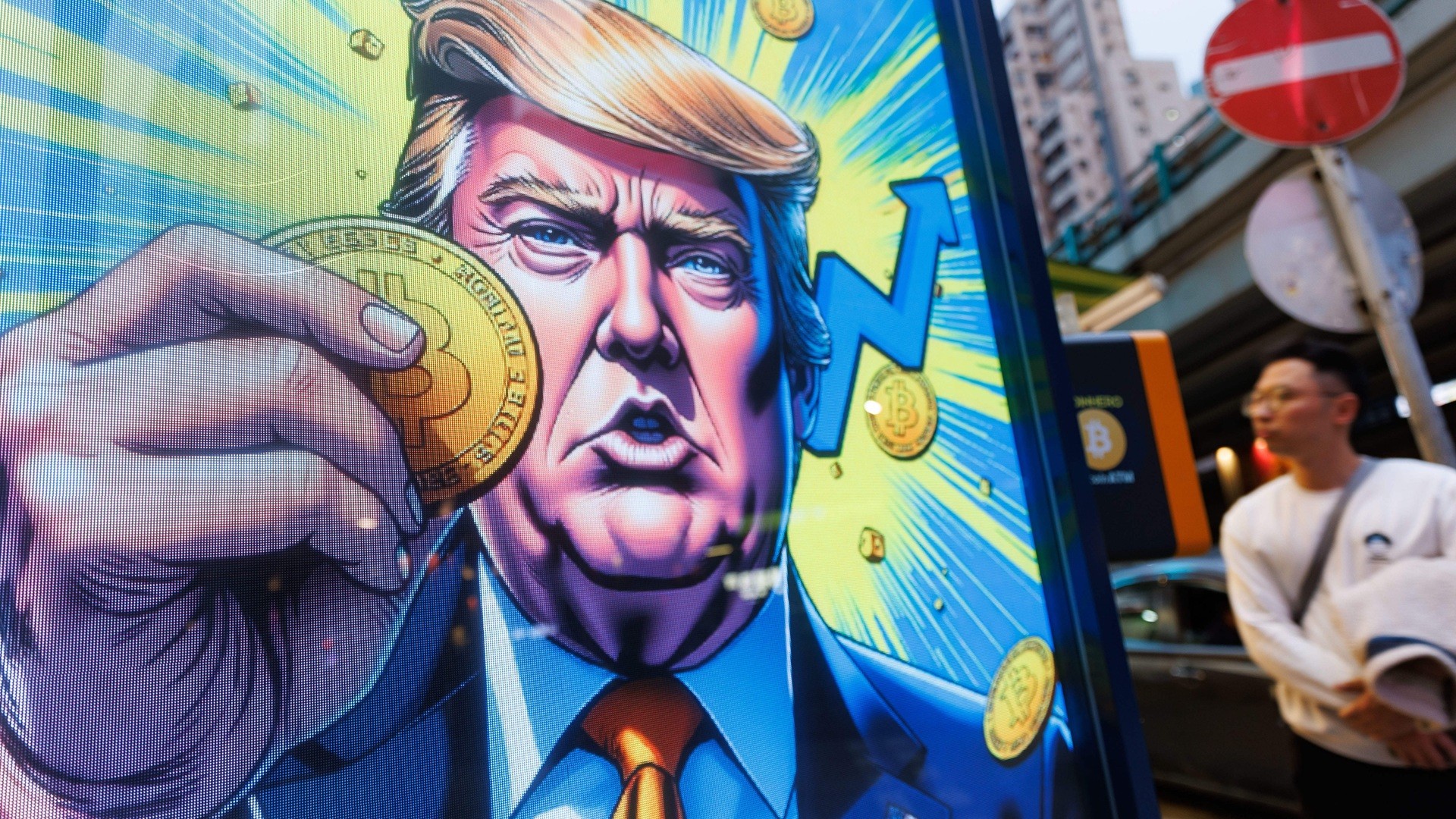
A second term for Donald Trump could fundamentally reshape the cryptocurrency landscape, influencing investor returns as much as market forces. Unlike the previous administration’s enforcement-focused approach, Trump’s policies appear geared towards positioning the U.S. as a global “crypto capital,” with coordinated regulations and legislation. This shift has significant implications for digital asset holders, potentially altering yield structures, market stability, and even long-term price floors.
Stablecoin Yields and Liquidity
One key area of impact lies in stablecoin yields. Current regulations incentivize exchanges like Coinbase to offer high percentages on stablecoin holdings, a practice banks are lobbying to restrict. Trump’s administration, through initiatives like the GENIUS Act, aims for stricter reserve requirements, potentially squeezing yields as regulated stablecoins rely more on short-term Treasury holdings. This could deepen dollar liquidity while reducing platform incentives for high payouts.
The Strategic Bitcoin Reserve: A New Backstop
Perhaps the most significant change is the proposed U.S. Strategic Bitcoin Reserve, funded by seized cryptocurrency assets. This move would make the U.S. government a permanent holder of Bitcoin, providing symbolic and potentially material backing to the asset. Experts suggest this could attract institutional investors previously hesitant due to regulatory uncertainty, establishing a higher price floor over time.
Volatility Paradox: Friendlier Rules, Sharper Moves
While clearer regulations under Trump may attract capital, they also risk increased volatility in the relatively illiquid crypto markets. New policies could trigger violent price swings as headlines drive short-term reactions. This dynamic highlights the need for caution, even within a potentially more favorable regulatory environment.
Prioritizing Quality Over Hype
Trump’s embrace of crypto extends to rhetoric supporting self-custody and opposing Central Bank Digital Currencies (CBDCs). However, this support won’t automatically salvage poorly designed projects. The administration’s roadmap focuses on regulatory clarity and security, not guaranteed returns for speculative assets. Projects lacking real-world utility or sound tokenomics will likely still struggle.
Self-Custody as a Central Pillar
Finally, Trump’s policies protect “lawful self-custody,” reversing years of pressure on noncustodial wallets. This stance reinforces the importance of secure key management, especially for long-term holders. As regulatory changes continue, maintaining control over one’s assets is becoming increasingly essential.
In conclusion, Trump’s potential second term presents both opportunities and risks for crypto investors. While clearer regulations and government backing could stabilize markets and attract capital, volatility and the need for fundamental project quality remain crucial considerations. The shift towards self-custody protection underscores the importance of responsible asset management in an evolving regulatory landscape.