
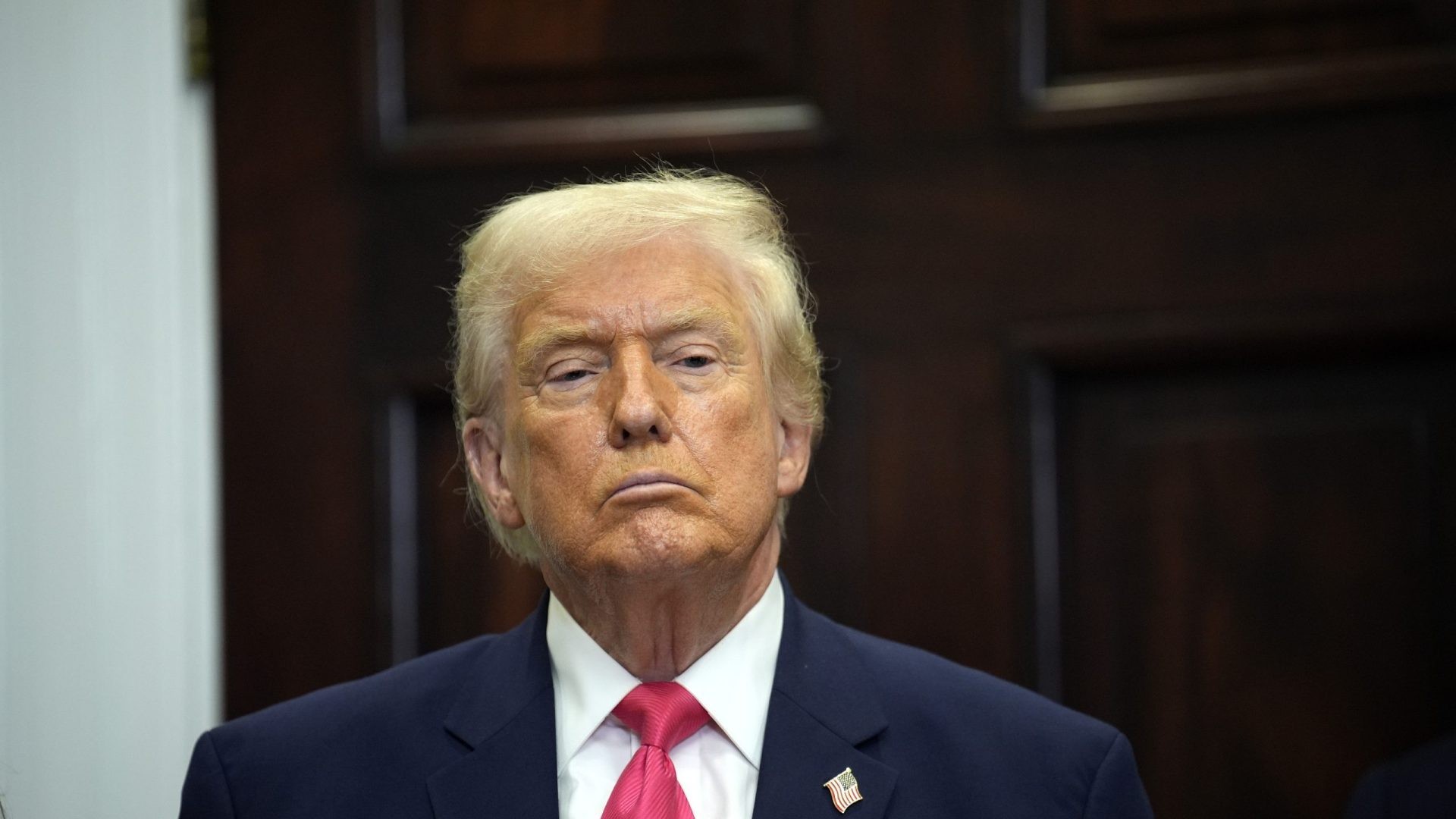
President Donald Trump has unveiled his “Great Healthcare Plan,” a policy framework aimed at tackling one of the most pressing anxieties facing the American public. The plan promises to lower prescription drug prices, reduce insurance premiums, and increase price transparency across the medical industry.
The timing of this announcement is critical. According to a January KFF survey, healthcare costs are the primary financial concern for Americans, with 66% of respondents expressing worry about affordability—surpassing concerns regarding food, housing, and utilities. However, while the goals are ambitious, experts are questioning whether the proposed mechanisms can deliver meaningful relief.
The Math of Savings: Why the Impact May Be Minimal
The plan relies on several key levers: reforming Pharmacy Benefit Managers (PBMs), implementing “Most Favored Nation” (MFN) pricing for medications, and expanding price transparency.
While these reforms sound impactful, Peter Basica, founder of 360 Smarter Care, suggests the actual benefit to the average citizen may be negligible. Using a hypothetical model, Basica notes that even if PBM and MFN reforms exceeded expectations by performing 20% better than projected, the total savings would amount to roughly $51 billion.
“Spread that over the U.S. population, and it breaks down to $150 per American. While welcome, it doesn’t begin to move the needle.”
The Risks of Over-the-Counter (OTC) Shifts
One of the more controversial elements of the plan is the proposal to reclassify certain prescription drugs as over-the-counter (OTC). While this could theoretically reduce doctor visits and drug costs, Basica warns it could inadvertently drive up total healthcare spending.
The logic rests on two main concerns:
– Medication Adherence: A significant portion of the $5.1 trillion spent on healthcare annually is driven by hospital care. Roughly 25% of hospital visits might be avoided if patients strictly followed their prescription regimens.
– The Physician-Patient Bond: Moving drugs to OTC status may weaken the relationship between patients and primary care physicians. Without professional oversight, patients may struggle with adherence, leading to more severe—and expensive—medical emergencies.
Furthermore, shifting drugs to OTC status may simply transfer the financial burden. Currently, most prescriptions are covered by insurance via a copay; as OTC products, the full cost shifts directly to the consumer.
Feasibility vs. Reality: What Might Actually Happen?
Not all parts of the plan carry the same weight. Basica suggests a hierarchy of likelihood regarding implementation:
- PBM Reforms: These are the most likely to succeed, as similar reforms have already been codified in recent legislation.
- MFN Pricing: This could provide real savings, but its impact would be limited to a very small number of high-cost drugs.
- Direct Subsidies: The plan proposes sending funds directly to consumers to lower premiums. However, Basica argues this is a circular logic: most consumers will simply use that subsidy to pay their existing insurance premiums, leaving the underlying cost structure unchanged.
- Price Transparency: While helpful, transparency rarely results in lower bills due to the complexity of medical billing. Much like a car’s “base price,” the final cost is often multiplied by a patient’s specific health conditions (such as diabetes or hypertension), making the posted price a poor reflection of the actual bill.
Conclusion
While Trump’s healthcare plan addresses the right pain points, it focuses largely on incremental adjustments rather than systemic overhaul. Without addressing the fundamental ways healthcare is delivered and managed, the plan may succeed in shifting where costs land rather than reducing the total amount Americans pay.