The Biden administration, under Health and Human Services Secretary Robert F. Kennedy Jr., is promoting a new dietary push centered around increased protein intake. A Super Bowl ad funded by the MAHA Center encourages Americans to ditch processed foods and consult the government’s Realfood.gov website, which also directs users to Elon Musk’s AI chatbot, Grok, for “real answers about real food.”
However, testing reveals a disconnect between the administration’s messaging and Grok’s advice. While the new dietary guidelines advocate for 1.2 to 1.6 grams of protein per kilogram of body weight daily—a significant increase from previous recommendations—Grok initially suggests the outdated RDA of 0.8 grams per kilogram, the minimum required to prevent deficiency in sedentary individuals.
This discrepancy highlights a core tension: the administration wants to target metabolically unhealthy people who may need more protein, but AI-driven advice risks oversimplification and confusion. Nutritionists confirm that while increased protein can aid fullness, it doesn’t automatically build muscle without exercise. Overconsumption of any macronutrient, including protein, can still lead to weight gain.
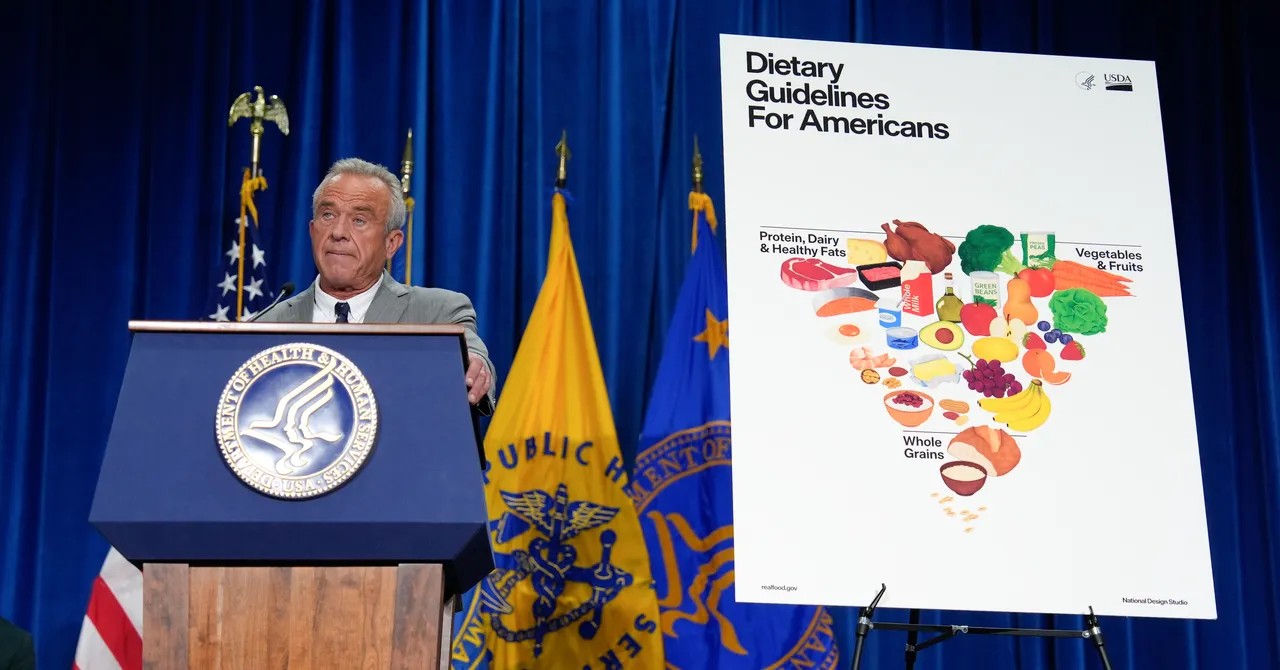
Realfood.gov champions “ending the war on protein” and prominently features animal products in its new inverted food pyramid. Yet, when asked for healthy protein sources, Grok recommends plant-based options, fish, poultry, and eggs—aligning with mainstream health organizations that favor these over red and processed meats.
The administration’s rhetoric, exemplified by Kennedy’s declaration that “beef is back on the menu,” clashes with the AI’s more nuanced dietary advice. This inconsistency raises questions about the effectiveness of the campaign and whether its messaging truly reflects the latest scientific consensus.
Ultimately, while the administration’s push for higher protein intake may be justified for active individuals, the reliance on an unreliable AI chatbot introduces confusion and undermines the clarity of dietary recommendations.