
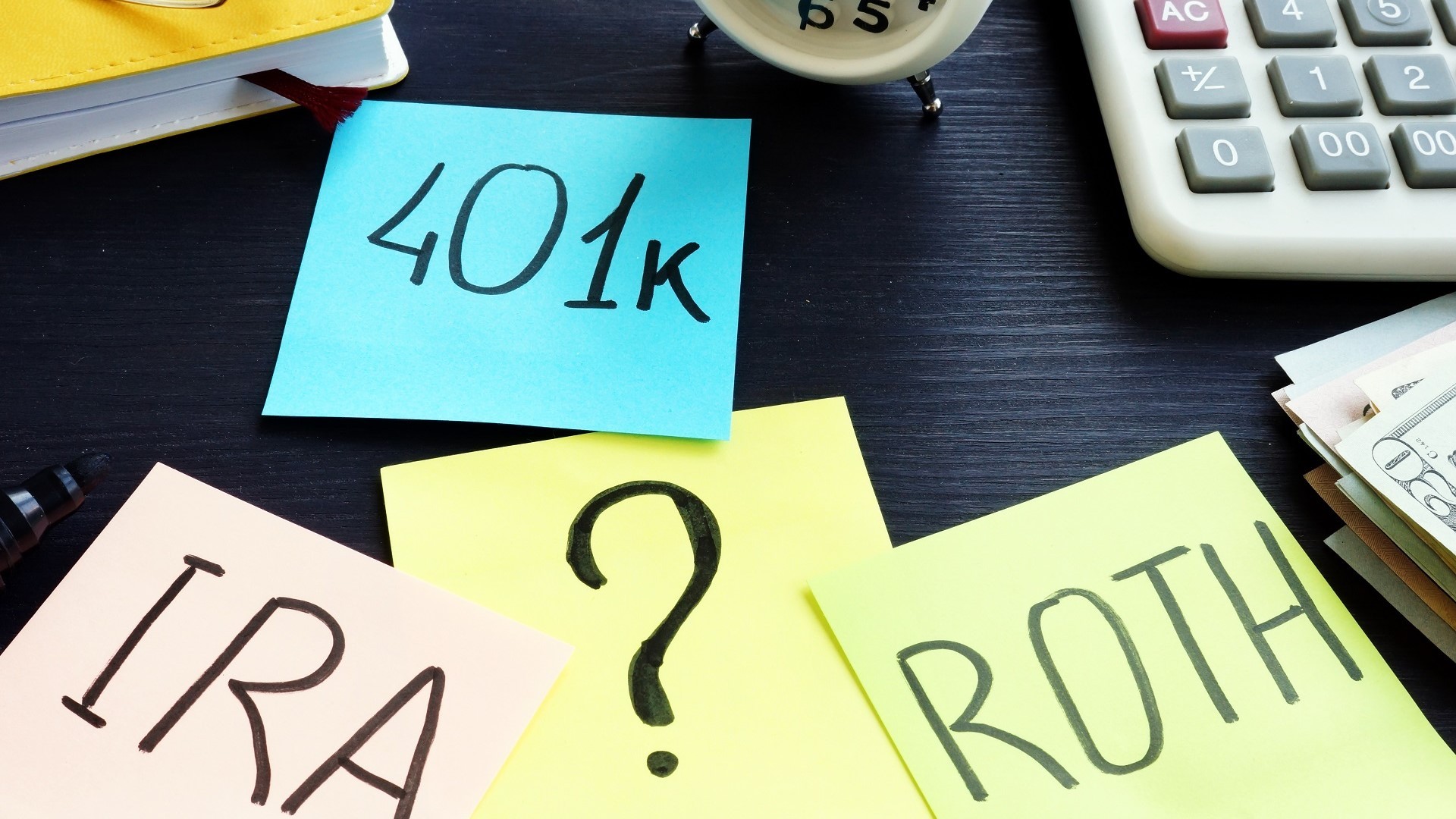
A Roth 401(k) is a workplace retirement plan that offers a significant advantage: you pay taxes now on your contributions, but all qualified withdrawals in retirement are completely tax-free. This means no taxes on the money you put in or the growth it earns over decades.
Understanding this option is critical because it can dramatically impact your long-term financial well-being, especially if you anticipate higher tax rates in the future.
How It Works: Paying Taxes Upfront for Future Gains
Unlike traditional 401(k)s where you get a tax break today but pay taxes on withdrawals later, a Roth 401(k) flips the script. You contribute money you’ve already paid taxes on. In exchange, every dollar withdrawn in retirement – including investment earnings – is yours to keep without owing another cent to the IRS.
This makes it particularly attractive for younger workers or anyone who believes their tax bracket will be higher later in life.
Key Features Explained
Here’s what sets a Roth 401(k) apart:
- After-Tax Contributions: Money goes in after taxes, so no upfront tax deduction.
- Tax-Free Growth: All investment gains accumulate without being taxed annually.
- Employer Matching: Employer contributions still go into a traditional (tax-deferred) portion of the 401(k), but that’s normal.
- No Income Limits: Unlike Roth IRAs, there’s no income cap to participate, making it accessible to high earners.
Why Choose a Roth 401(k)? The Benefits
The main draw is tax-free withdrawals. If you expect tax rates to rise, or simply want certainty, this is a powerful tool.
Other advantages include:
- No Required Minimum Distributions (RMDs): Roll it into a Roth IRA and avoid forced withdrawals at age 73.
- Estate Planning: Pass tax-free assets to heirs. Beneficiaries won’t owe taxes on withdrawals if rules are followed.
- Flexibility: No income restrictions mean anyone can use it if their employer offers it.
Contribution Limits for 2026
The IRS sets limits each year. For 2026:
- Under 50: Up to $23,500
- 50 and over: Up to $31,000 (includes a $7,500 catch-up contribution)
These limits apply to your total 401(k) contributions, whether Roth or traditional.
Eligibility and How to Sign Up
Any employee can contribute if their employer offers a Roth 401(k) option. Check with HR to confirm availability.
To get started:
- Confirm Availability: Verify with your employer.
- Enroll: Sign up through your workplace benefits portal.
- Set Contribution: Choose how much to contribute from each paycheck.
- Invest: Select funds (mutual, index, or target-date funds are common).
- Monitor: Review and adjust annually.
Withdrawals: Rules to Know
Withdrawals are tax-free if you’re at least 59½ and have held the account for five years.
Early withdrawals before 59½ may be subject to taxes and a 10% penalty on earnings. However, contributions themselves can usually be withdrawn tax- and penalty-free since you already paid taxes on them.
Roth 401(k) vs. Other Options
Here’s how it stacks up:
- Roth 401(k) vs. Traditional 401(k): Same limits, different tax timing.
- Roth 401(k) vs. Roth IRA: Both tax-free, but Roth IRAs have income restrictions.
Is a Roth 401(k) Right For You?
A Roth 401(k) is an excellent choice if you expect higher taxes later, want tax-free retirement income, or want to diversify your tax strategy. If your employer offers it, carefully consider whether it fits your long-term financial goals.
Ultimately, the best retirement plan is the one that aligns with your income, tax expectations, and financial risk tolerance.