
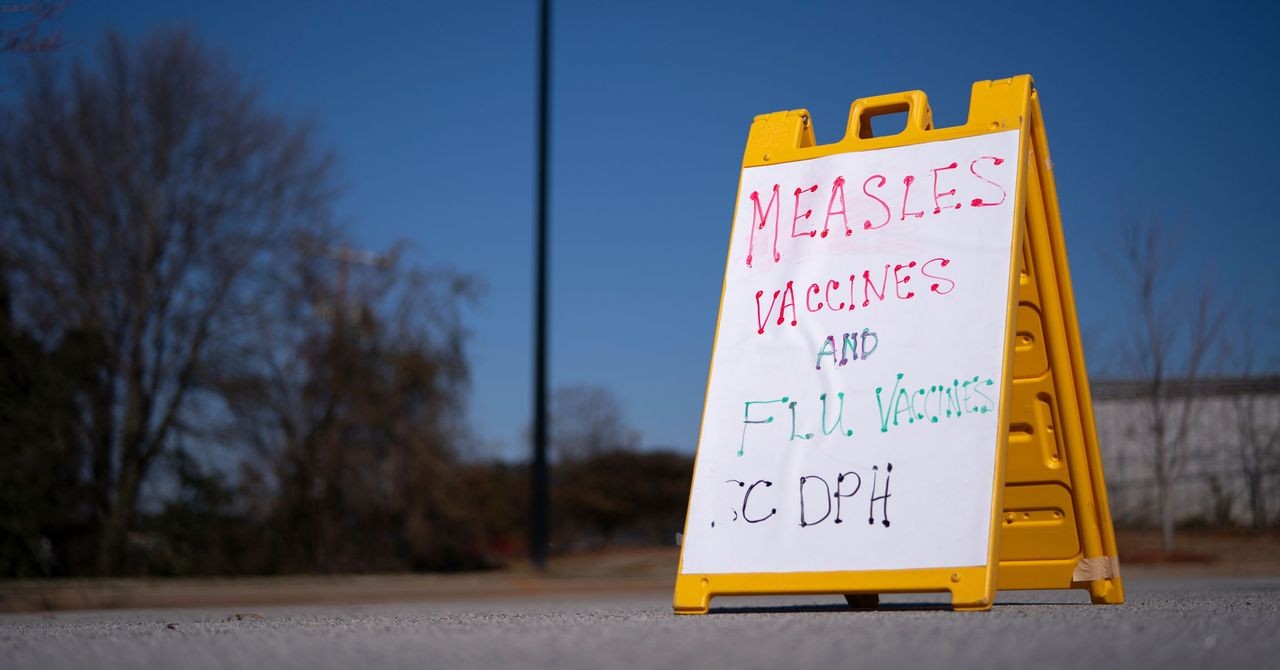
The large measles outbreak in South Carolina is easing, with weekly new infections falling from a peak of 200 in January to roughly 10 today. However, this improvement does not guarantee the state – or the US as a whole – will avoid losing its “measles elimination” status.
The Scale of the Outbreak
South Carolina’s outbreak is the largest in over three decades, contributing to a national total of 1,281 cases as of March 5, exceeding half of the total for all of 2023 (2,283 cases). Elimination means no ongoing transmission for over a year. The current situation threatens that status, with twelve outbreaks reported across the US this year alone, including Arizona, Texas, and Utah.
The outbreak began in October and was centered in Spartanburg County, where low vaccination rates in schools and social events over the winter holidays fueled rapid spread. Churches were also identified as exposure locations.
Why This Matters
Measles was thought to be eradicated in the US, but declining vaccination rates have made outbreaks like this possible. The disease is highly contagious and can lead to severe complications, including pneumonia and brain swelling. Over 93% of South Carolina cases were among unvaccinated individuals, with the majority affecting children under 18.
The lag in diagnosis – symptoms appear 1-2 weeks after exposure, with the rash developing later – contributes to the outbreak’s spread. This delay highlights the importance of rapid response and public health awareness.
Vaccination Uptick & Future Risks
The outbreak prompted a surge in vaccinations. Spartanburg County saw a 133% increase in measles vaccinations in February (900 additional doses), while the state administered 7,000 more doses overall (a 70% increase).
Despite this improvement, state epidemiologist Linda Bell warns of potential resurgences, especially with spring break travel beginning in March and April. Modeling initially predicted a six-month outbreak, but the situation may resolve sooner.
“We remain concerned and must be mindful of the fact that we can see cases increase again from the low number that we’re seeing now.”
The outbreak underscores the vulnerability of public health when vaccination rates decline and highlights the ongoing need for vigilance against preventable diseases.