New York is about to feel hotter than Phoenix. Not metaphorically. The thermometer says one thing. Your sweat glands say another. As the holiday weekend hits, the city’s humidity couples with extreme heat. The “feels like” index tops out at 109 degrees Fahrenheit. It is miserable. It is unavoidable.
The air feels thick enough to chew.
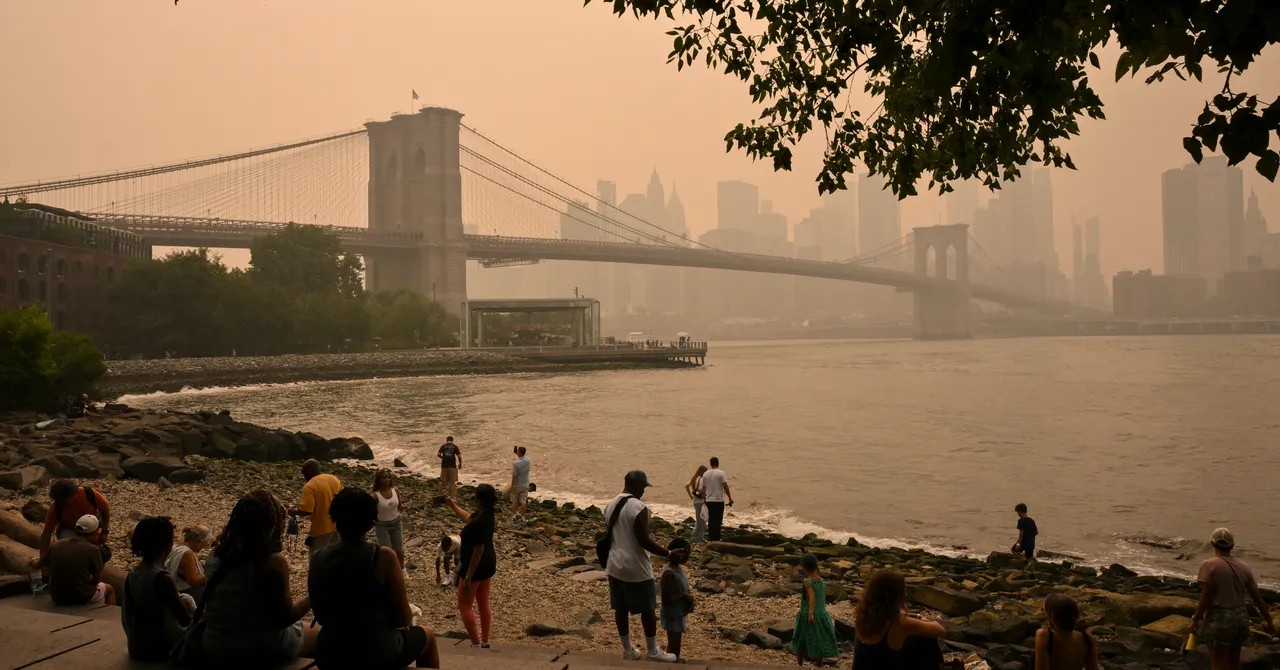
This isn’t just a local issue. Wildfire smoke drags down from the West Coast. It settles over a corridor stretching from Chicago all the way to Washington, DC. The sky turns gray. The air tastes like ash. You can see it from miles away. Or at least, you used to be able to.
When Heat Meets World Cup Chaos
July Fourth isn’t safe right now. The heat domes are sitting on the Eastern US like heavy blankets. People want to watch the World Cup quarter-finals in Miami. England plays Norway there. They also want to stand in the sun. They also want to drink beer. This is a bad recipe for heat stress.
Scientists call it a dangerous mix. The wet-bulb temperature nears 90 degrees. Saharan dust joins the party, turning Miami’s sunshine into a choking hazard. Players face extreme conditions. Fans face them too.
Why do people go outside? Tradition? Ignorance? Probably a bit of both. But the risk of heat-related illness spikes. Day drinking doesn’t hydrate you. It dehydrates you. Long hours outdoors compound the problem. You’re asking for trouble.
Ground Shakers: Nature or Noise?
Down in Venezuela, things get physical. Two massive earthquakes hit. One after the other. Less than a minute apart. A 7.5-magnitude quake strikes. Then another. It’s called a seismic doublet. Rare stuff.
Interim leaders declare a state of emergency. Thousands might be dead. Satellite images now show exactly where the crust moved. The terrain shifted. Buildings collapsed. Rescue teams use these new maps to find survivors. The damage is extensive.
The earth itself rearranged the playing field.
Meanwhile, sports fans are making their own seismic events. Mexico beats Ecuador. The country goes wild. Fans jump. Fans shout. Fans kick. The vibrations register on seismic warning systems. Did it cause an earthquake? No. Did it look like one on the graph? Yes.
Norway does something similar in Bergen. Every time they score at the World Cup, the city trembles. A seismometer at the local university picks up the shakes. It’s not tectonic activity. It’s just 200,000 people losing their minds at a goal. Cute? Sure. Unusual? Absolutely.
Who Wins the Shootout?
The tournament heads toward the final. How do you watch? Streamers, cable, probably a bar TV with terrible picture quality. The halftime show arrives. First of its kind for a World Cup. History. Or at least novelty.
Then there’s the penalty shootout. Tensions run high. Does kicking first help? Data suggests it doesn’t matter much. The order matters less than your mind does. Psychology beats sequence.
If your team shoots first, don’t relax. If yours shoots second, don’t panic. It’s all in the head.
So you sweat through 100-degree days. You dodge Saharan dust. You feel the ground shake when Mexico scores. And then the whistle blows.