
The world is changing rapidly, and recent developments in technology, space exploration, and political maneuvering highlight just how much is in flux. From failing startups to geopolitical expansion, here’s a breakdown of what’s happening now.
Space Exploration: Delays, Innovation, and Decay
NASA’s Artemis II mission has been delayed again, now targeting a launch in April due to issues with the Space Launch System (SLS) rocket’s helium flow. This setback underscores the ongoing challenges of deep-space missions, where even minor technical glitches can disrupt years of planning. Meanwhile, a startup called General Galactic is attempting to produce rocket fuel from water, a potentially revolutionary approach if it succeeds. The idea isn’t new—but scaling it to reliable production is the real hurdle.
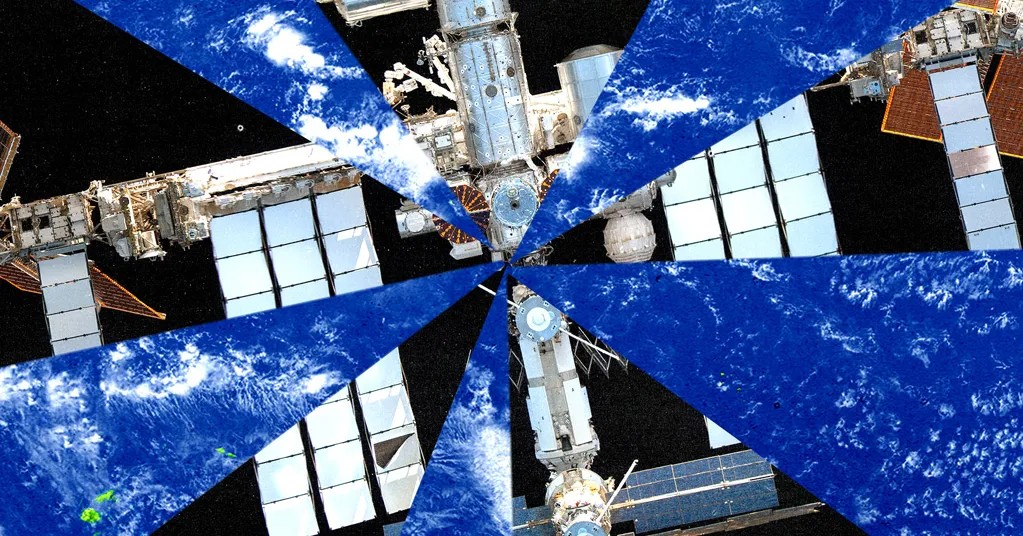
At the same time, the first transoceanic fiber-optic cable, a foundational element of the modern internet, is being removed from the ocean floor. The reasons remain murky, though sharks are likely not involved. This action raises questions about infrastructure obsolescence and the planned replacement of such critical networks. Finally, the International Space Station (ISS) faces increasing risks as its aging infrastructure deteriorates, with no clear successor in sight.
The Rise of Surveillance and Control
Immigration and Customs Enforcement (ICE) is secretly expanding its presence across the US, leasing office space in a coordinated, monthslong campaign. WIRED has published details of these locations, exposing a quiet but aggressive effort to broaden enforcement capabilities.
Meanwhile, the National Institute of Standards and Technology (NIST) is under scrutiny for reportedly squeezing out foreign scientists, raising concerns about undermining its research mission. This follows a broader trend of geopolitical tensions spilling into the scientific community, where access to talent is now a strategic advantage.
Extreme Sports and Environmental Costs
Figure skater Ilia Malinin’s “quadruple axel” jump defies easy explanation. The physics behind the maneuver are complex, but the basic principle involves extreme rotational speed and precision timing. The feat showcases the limits of human athleticism, but also the relentless pursuit of physical perfection.
However, the 2026 Winter Olympics in Italy may accelerate glacial ice loss due to carbon emissions from event-related activities. A recent report suggests that the games could lead to the disappearance of 5.5 square kilometers of snowpack, underscoring the environmental costs of large-scale events.
Culture and Weird Science
Curling, the winter sport involving stones and sweeping, has become a surprising favorite among Olympic viewers. Its origins date back centuries, and its appeal lies in a mix of strategy, precision, and the sheer spectacle of polished ice.
Finally, the “Uncanny Valley” podcast continues to explore disturbing trends in tech and politics, including ICE’s expansion, ethical concerns within Palantir, and the rise of AI assistants. The show’s premise reflects a growing unease about the unintended consequences of unchecked technological advancement.
In short, the present moment is defined by both incredible feats of human ingenuity and disturbing patterns of control, decay, and environmental degradation. The question is whether we will adapt, or simply watch it all unfold.