
The technology landscape is rapidly evolving, with key developments in artificial intelligence, automation, and policy impacting industries from transportation to manufacturing and even political movements. Recent events reveal a complex interplay between innovation, economic pressures, and ethical concerns.
Autonomous Vehicles and AI Integration Accelerate
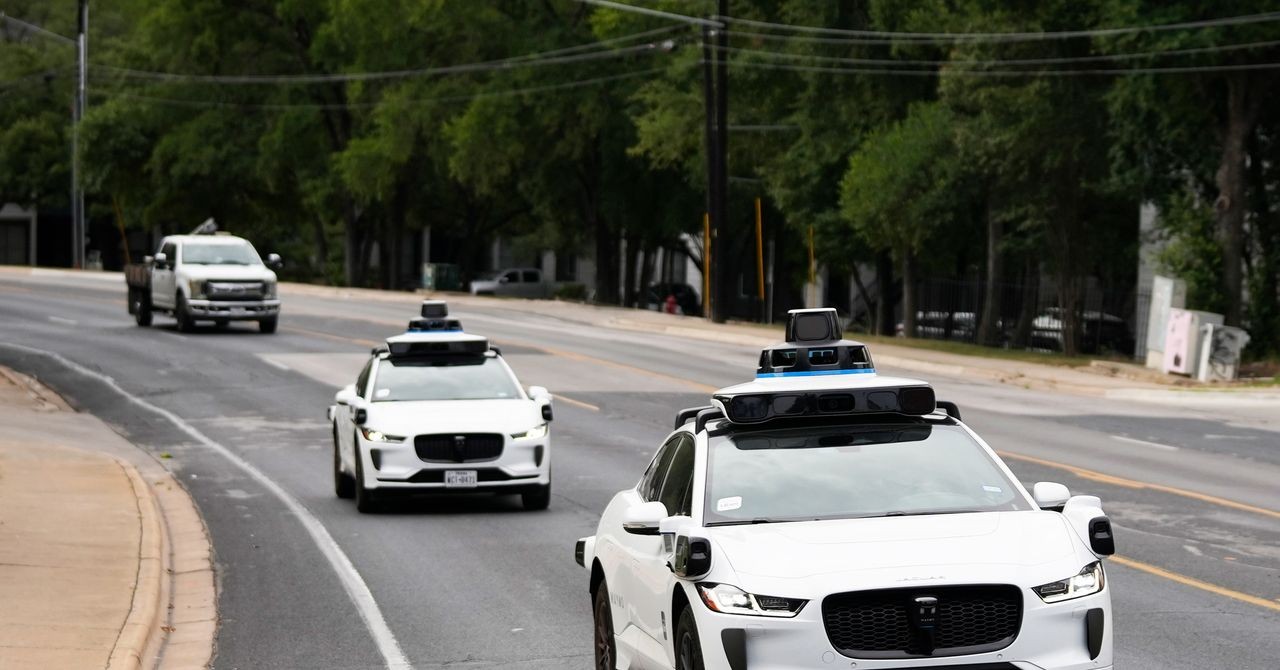
Self-driving car technology is gaining traction. New legislation proposed in New York State would permit the operation of autonomous vehicles, signaling a growing acceptance of this tech. Meanwhile, startups like HyprLabs are racing to develop AI-powered software for self-driving systems, leveraging advances in artificial intelligence. Google DeepMind’s partnership with Boston Dynamics is pushing the boundaries further, with its Gemini AI model now controlling humanoid robots like Atlas on factory floors – a move that could reshape manufacturing efficiency but also raises questions about job displacement.
AI Models Evolve Toward Self-Learning
AI is not just becoming more powerful; it’s also becoming more autonomous in its learning process. New AI models are capable of learning by generating and answering their own questions, potentially paving the way for more advanced, self-improving systems. This development, while promising, also sparks debate about the long-term implications of truly independent AI.
Policy and Economic Shifts Reshape Tech Strategies
Political and economic forces are influencing how tech companies operate. The Working Families Party is actively recruiting candidates opposed to data center expansion, indicating growing opposition to the environmental and social impacts of large-scale digital infrastructure. At the same time, Silicon Valley billionaires, like Larry Page, are reportedly relocating to avoid California’s proposed wealth tax, highlighting the sensitivity of high-net-worth individuals to progressive tax policies.
Surveillance and Automation Expand
Border security is getting a tech upgrade. U.S. Customs and Border Protection (CBP) is deploying small drones for real-time surveillance, extending its monitoring capabilities beyond the border. This expansion of surveillance technology raises privacy concerns and questions about civil liberties.
Industry Diversification and EV Market Adjustments
Chinese companies are diversifying into new sectors, with robot vacuum manufacturers now launching electric vehicle (EV) brands. This trend demonstrates the adaptability of Chinese manufacturing prowess. Meanwhile, Ford has killed its all-electric F-150 program, responding to shifting political support for electrification and weakening consumer demand.
AI Platforms and Ethical Concerns
Tech companies are positioning AI as the next major platform, but developers are hesitant to fully integrate AI agents into their apps due to concerns about user control and data privacy. The rise of “physical AI” is impacting the automotive industry, with vehicles becoming increasingly reliant on AI-driven features. However, this progress comes with ethical risks, as evidenced by the ability to use AI image generators to create realistic deepfakes, including stripping women down to bikinis – underscoring the potential for misuse and the need for stronger safeguards.
In conclusion, the convergence of technological innovation, policy shifts, and economic realities is reshaping the future at an accelerating pace. From autonomous systems to surveillance technologies, and from AI-driven automation to ethical dilemmas, these trends demand careful consideration and responsible development.