
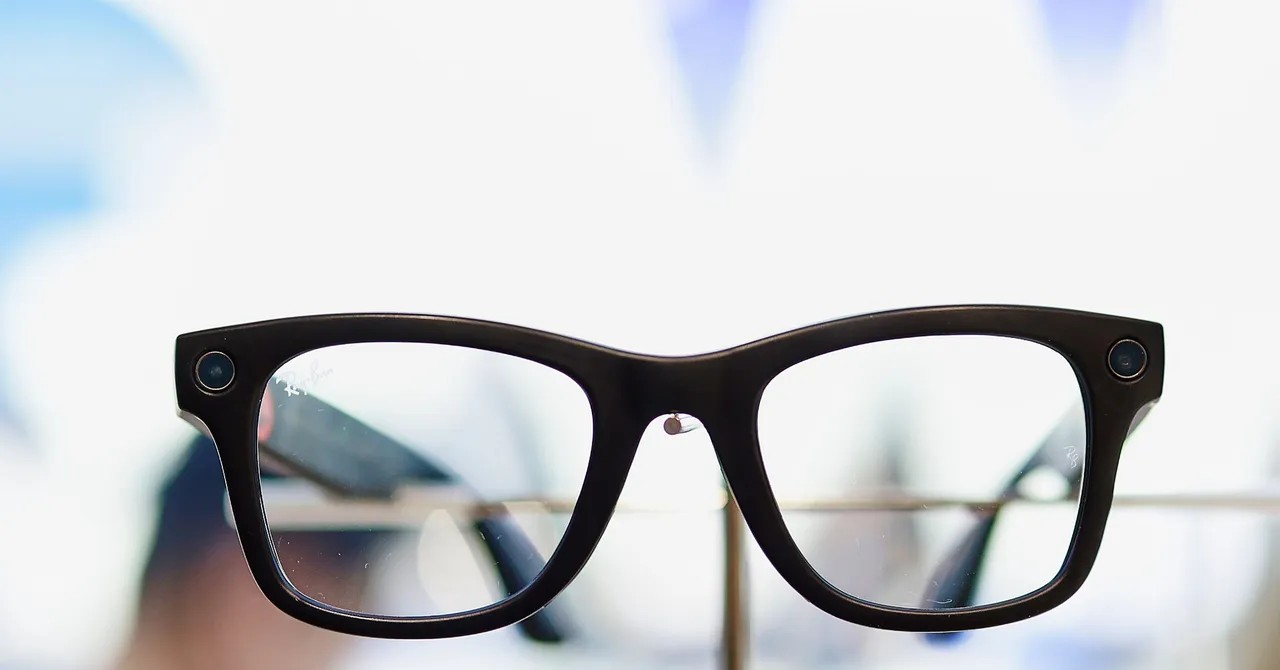
A massive coalition of over 70 civil liberties, domestic violence, and immigrant rights organizations is demanding that Meta scrap plans to integrate facial recognition technology into its Ray-Ban and Oakley smart glasses. The groups warn that a proposed feature—internally referred to as “Name Tag” —could turn everyday eyewear into a tool for silent identification, posing severe risks to personal safety and public anonymity.
The “Name Tag” Controversy
According to internal documents and reports, the “Name Tag” feature would utilize the AI assistant built into Meta’s smart glasses to identify people within the wearer’s field of vision. Two versions of the technology are reportedly under consideration:
– A restricted version: Identifying only people already connected to the wearer via Meta platforms.
– A broad version: Identifying anyone with a public profile on Meta services, such as Instagram.
The coalition, which includes high-profile organizations like the ACLU and the Electronic Privacy Information Center (EPIC), argues that this technology cannot be made safe through simple design tweaks or opt-out settings. Their primary concern is that bystanders in public spaces have no way to consent to being identified by someone walking past them.
Allegations of Strategic Timing
The backlash is intensified by reports suggesting Meta may be attempting to time the rollout to avoid scrutiny. Internal memos from Meta’s Reality Labs reportedly indicated a plan to launch the feature during a “dynamic political environment,” betting that civil society groups would be too distracted by other pressing issues to mount a significant defense.
Advocacy groups have labeled this “vile behavior,” accusing the tech giant of attempting to exploit political volatility and rising authoritarianism to bypass public accountability.
The Risks: Beyond Personal Privacy
The implications of real-time facial recognition in consumer wearables extend far beyond individual privacy; they touch on systemic societal risks:
- Personal Safety: The technology could be weaponized by stalkers, domestic abusers, and scammers to track victims in real time.
- Civil Liberties: The ability to identify individuals instantly could chill participation in protests, religious services, and medical clinics, effectively destroying the concept of public anonymity.
- State Surveillance: Groups are calling for transparency regarding Meta’s discussions with federal agencies, such as ICE and CBP, fearing the glasses could become tools for warrantless government surveillance.
A History of Legal and Regulatory Friction
This is not Meta’s first encounter with the legal consequences of biometric data. The company has faced massive financial penalties for its handling of facial recognition in the past:
– $2 billion in settlements regarding biometric privacy lawsuits in Illinois and Texas.
– $5 billion paid to the FTC to resolve privacy cases related to its face recognition software.
Furthermore, recent court rulings have signaled a shifting legal landscape. In Massachusetts, courts have begun to strip away the traditional legal shields (such as Section 230) that previously protected Meta from certain consumer protection lawsuits, particularly those involving the addictive design of its platforms.
“People should be able to move through their daily lives without fear that stalkers, scammers, abusers, federal agents, and activists… are silently and invisibly verifying their identities.” — Coalition of Advocacy Groups
Conclusion
The standoff between Meta and civil rights advocates highlights a critical tension in the age of AI: the gap between rapid technological advancement and the legal frameworks required to protect human rights. If “Name Tag” moves forward, it could fundamentally redefine the boundaries of privacy in the physical world.