
For decades, verifying age on the internet has been a mere formality—a “click if you are 18” button that offers no real protection for minors. However, the European Commission is now moving to transform this process from a symbolic gesture into a robust, technological reality. Driven by the Digital Services Act (DSA), Europe is developing a system that aims to protect children without sacrificing user privacy.
The Crackdown on “One-Click” Verification
The momentum behind these changes stems from recent investigations into major digital platforms. In early 2024, the European Commission launched formal proceedings against adult content giants like Pornhub, Stripchat, XNXX, and XVideos. The core of the allegation? These sites rely on inadequate “one-click” confirmations that fail to meet the legal standards set by the DSA.
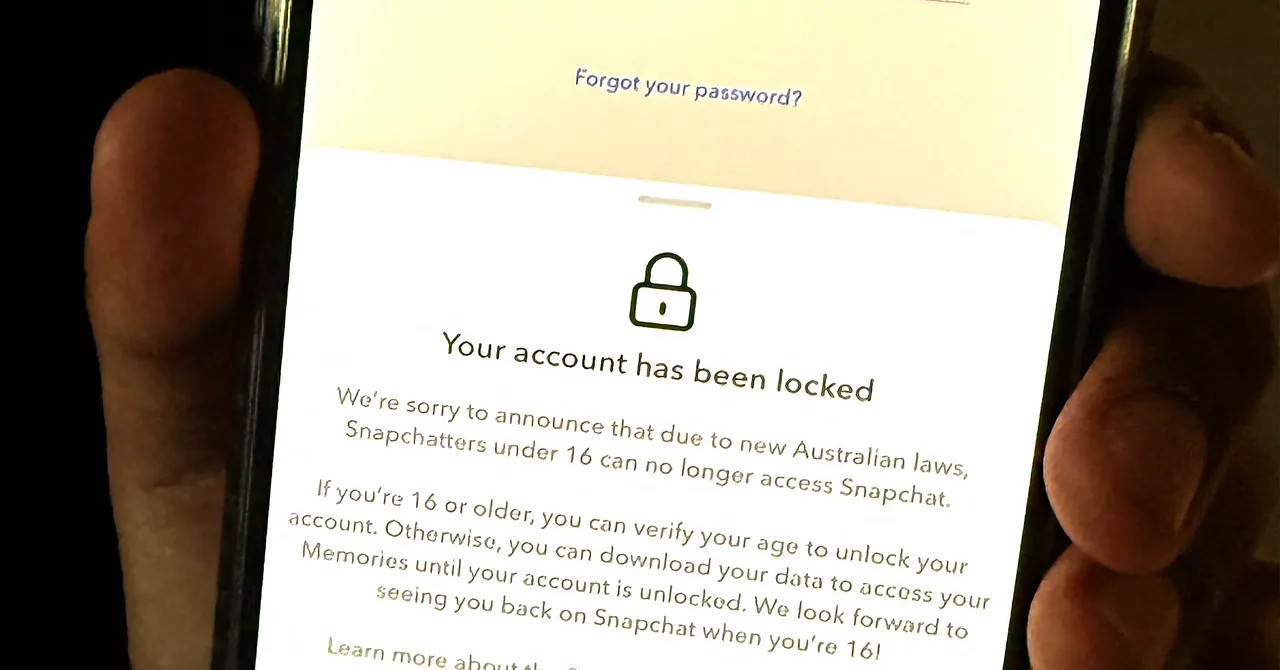
The scope of the investigation extends beyond adult content. Snapchat is also under scrutiny for allegedly failing to protect minors from grooming, criminal recruitment, and exposure to illegal goods like drugs and age-restricted products.
Under the DSA, Very Large Online Platforms (VLOPs) —those with over 45 million monthly users in the EU—are legally obligated to mitigate systemic risks to minors. The stakes are high: failure to comply can result in massive fines, reaching up to €18 million or 10% of a company’s global annual turnover.
The “Mini-Wallet” Solution: Privacy Through Mathematics
The central challenge for regulators is a paradox: how do you prove someone is an adult without collecting their sensitive personal data? The European Commission’s proposed answer is the Age Verification Blueprint, or the “mini-wallet.”
Unlike traditional methods that require uploading a passport or ID to a website, the mini-wallet operates on the principle of selective disclosure :
- One-time Verification: Users verify their age once using a trusted source, such as a national electronic ID, passport, or banking app.
- Cryptographic Proof: When accessing a site, the mini-wallet does not share the user’s name or birthdate. Instead, it sends a “yes” or “no” token that cryptographically proves the user is over 18.
- Data Minimization: Because the site only receives a single-use token, it cannot track or correlate the user’s identity across different sessions.
This system is designed as a stepping stone toward the EU Digital Identity Wallets (EUDI Wallets), expected to be fully implemented by 2026. These wallets will eventually manage everything from driver’s licenses to educational credentials, all within a single, secure app.
Diverging Paths: The EU vs. The US Model
The European approach stands in stark contrast to models currently gaining traction in the United States. Many US-based providers, such as Persona, utilize highly intrusive methods, including facial recognition and fingerprinting, often retaining data for years. This model raises significant concerns regarding data breaches and mass surveillance—concerns heightened by recent reports of data exposure in the industry.
While some players like Yoti are already active in Europe, the Commission is prioritizing an open-source, “triangular” architecture. In this model, a neutral third party certifies the user’s attribute (age) so that the website never touches the underlying sensitive documents. This is similar to how COVID-19 certificates functioned: they proved you were vaccinated without necessarily revealing your entire medical history.
Implementation Hurdles and Remaining Loopholes
Despite the technical sophistication, the rollout faces two major obstacles:
- Geopolitical Disparity: Implementation is uneven across the EU. While France and Denmark are leading the charge, countries like Greece, Spain, and Italy are lagging, leading experts to question if the timeline for a unified system is realistic.
- The Human Element: A significant loophole remains. While the mini-wallet prevents websites from harvesting data, it cannot easily stop a minor from using an adult’s device or credentials. The system secures the data, but it does not entirely solve the behavioral challenge of underage access.
“The goal is not to prove your identity so we can check your age, but to simply prove your age without revealing anything else.”
Conclusion
Europe is positioning itself as a global laboratory for digital safety, attempting to build an infrastructure that balances child protection with strict data privacy. If successful, the “mini-wallet” could set a new global standard for how identity is managed in the digital age.