
For many Americans, the dream of housing stability is slipping away. Over the last decade, U.S. rental costs have surged by as much as 50%, according to Federal Reserve Consumer Price Index data. In major metropolitan hubs like New York, Los Angeles, and Miami, even high earners struggle to adhere to the traditional financial rule of thumb: spending no more than 25% of monthly income on housing.
As rental inflation continues to outstrip wage growth in many regions, a new search has emerged for “rent-to-income” sweet spots. These are locations where the local economy provides enough purchasing power to keep housing costs significantly lower than the national average.
The Rent-to-Income Advantage
The following list identifies the top 10 locations where the gap between what people earn and what they pay for rent is most favorable. Based on data from April 2026, these cities boast a rent-to-income ratio between 16% and 18%, offering much more breathing room for household savings and lifestyle expenses than the standard 25% benchmark.
The Top 10 Most Affordable Locations
| Rank | City, State | Rent-to-Income Ratio | Avg. Monthly Rent | Avg. Household Income |
|---|---|---|---|---|
| 1 | Overland Park, KS | 17.34% | $2,000 | $141,150 – $241,167 |
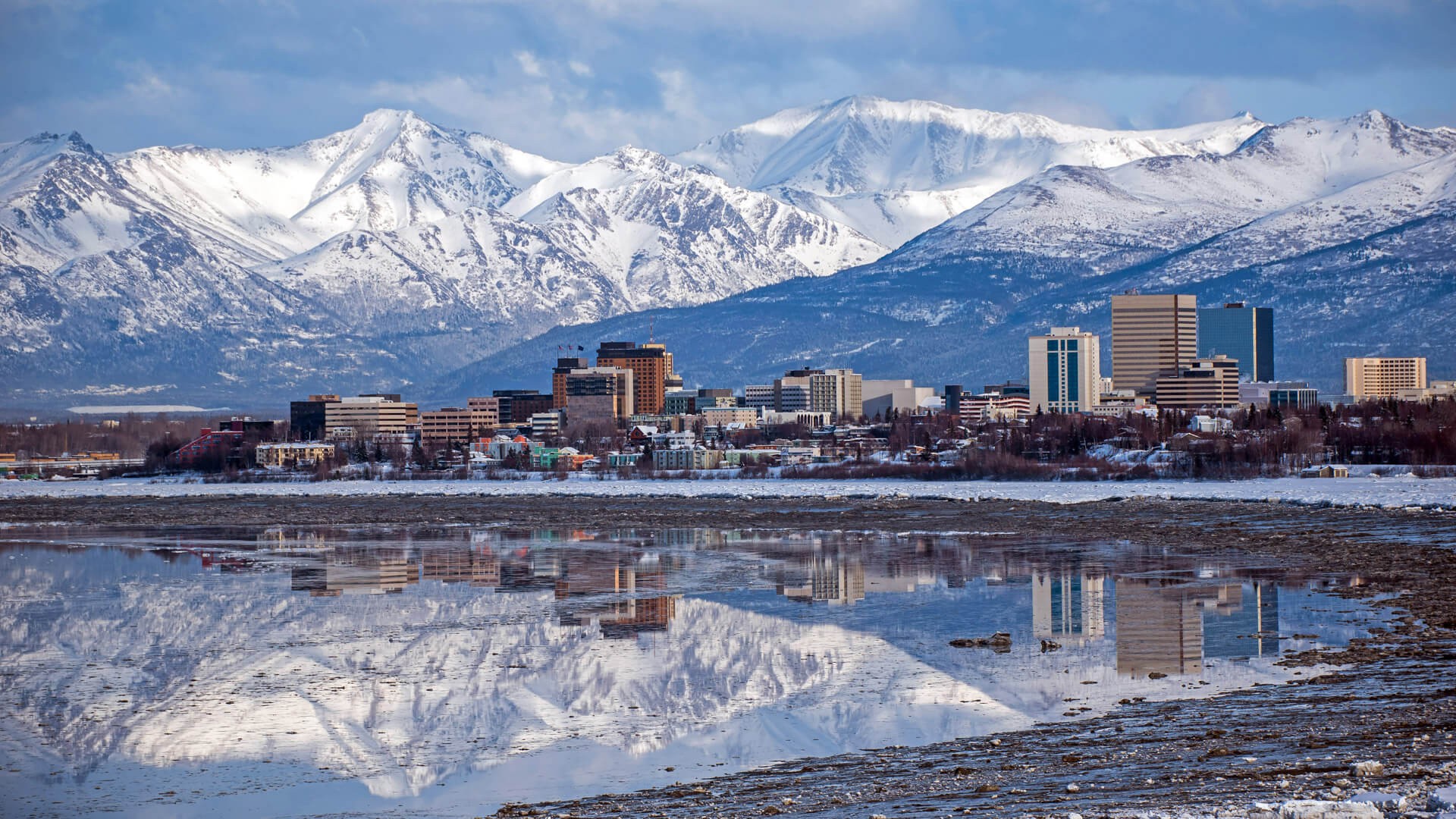
| 2 | Anchorage, AK | 17.30% | $1,850 | $132,200 – $218,314 |
| 3 | Casper, WY | 17.24% | $1,200 | $81,735 – $112,006 |
| 4 | Juneau, AK | 17.04% | $1,800 | $128,599 – $130,271 |
| 5 | Cheyenne, WY | 17.02% | $1,525 | $80,756 – $99,407 |
| 6 | Fargo, ND | 16.94% | $925 | $84,785 – $273,359 |
| 7 | Charleston, WV | 16.56% | $975 | $84,041 – $138,703 |
| 8 | Cedar Rapids, IA | 16.48% | $1,152 | $93,772 – $104,478 |
| 9 | Sioux Falls, SD | 16.35% | $1,135 | $98,002 – $132,275 |
| 10 | Bismarck, ND | Data pending | — | — |
Analyzing the Trends
A closer look at these numbers reveals several key economic patterns:
- The Mid-West and Mountain West Dominance: The list is heavily populated by cities in the Midwest (Kansas, North Dakota, Iowa, South Dakota) and the Mountain West/Alaska (Wyoming, Alaska). These regions appear to have managed to balance local industry and wage growth more effectively than the coastal states.
- High-Income Anomalies: Places like Overland Park, KS, and Anchorage, AK, stand out because they combine relatively high average household incomes with manageable rent. This suggests robust local job markets that provide enough leverage for residents to maintain high standards of living despite rising costs.
- Low-Cost Living vs. High-Income Living: Some cities, like Fargo, ND, offer an extreme contrast: incredibly low rent ($925) paired with a massive range of household incomes. This indicates a diverse economic landscape where even those on the lower end of the income spectrum can find stability.
Note: Data is compiled from Wallet Hub (rent-to-income ratios), Zillow (average monthly rent), and IncomebyZipcode.com (average household income).
Conclusion
While the national trend points toward a housing affordability crisis, these ten locations represent a vital exception. For those prioritizing financial flexibility and lower housing burdens, these cities offer a rare opportunity where local wages successfully keep pace with the cost of living.