
A bipartisan group of US lawmakers has introduced legislation to force the FBI to obtain warrants before accessing Americans’ communications collected through warrantless surveillance programs. The proposed “Government Surveillance Reform Act of 2026” seeks to align federal law with a recent federal court ruling that deemed the current practice unconstitutional, setting the stage for a clash with intelligence agencies as a key surveillance authority nears expiration on April 20.
The Core of the Debate: Warrantless Access
The legislation, led by Senators Ron Wyden and Mike Lee alongside Representatives Warren Davidson and Zoe Lofgren, would effectively end the FBI’s ability to conduct “backdoor searches” – the practice of sifting through communications collected under Section 702 of the Foreign Intelligence Surveillance Act (FISA) to find data on Americans without judicial oversight. Section 702 allows the government to collect data on foreigners abroad, but this often incidentally captures communications of US citizens, which the FBI has used to monitor Americans without warrants.
This matters because the unchecked access to private data erodes fundamental privacy rights and opens the door to abuse. Recent court decisions and whistleblower accounts have exposed systemic violations of Fourth Amendment protections, prompting lawmakers to act.
Eroding Oversight and Expanding Surveillance
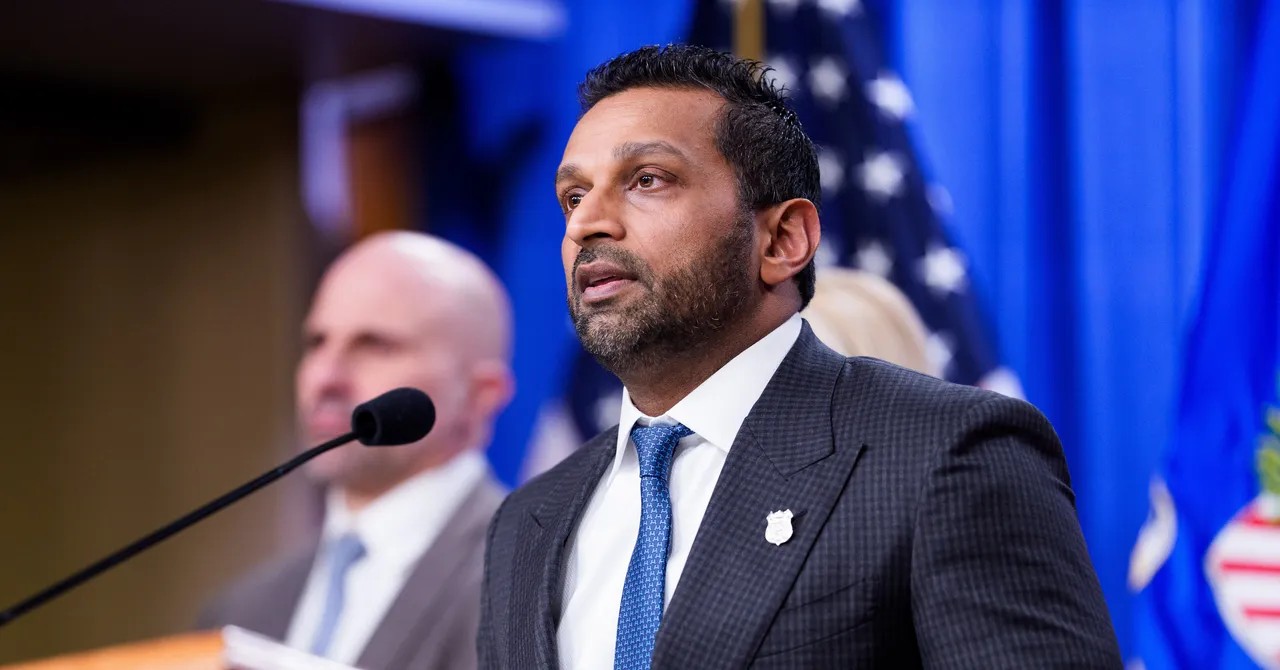
The bill arrives amid a broader trend of gutted internal oversight. The FBI’s Office of Internal Auditing, responsible for tracking and reducing improper searches, was shut down in May 2025 under Director Kash Patel, who now defends the warrantless program as “critical.” This coincides with the dismantling of independent watchdogs, including the mass firing of inspectors general and incapacitation of the Privacy and Civil Liberties Oversight Board.
Simultaneously, law enforcement has aggressively expanded its reliance on commercial surveillance. Immigration and Customs Enforcement (ICE) has spent tens of millions on data from companies like Thomson Reuters’ CLEAR, LexisNexis, and even facial recognition databases like Clearview AI. This trend illustrates a shift towards bypassing legal constraints by purchasing data rather than obtaining warrants.
Key Reforms in the Bill
The Government Surveillance Reform Act includes several key provisions:
- Warrant Requirement: The FBI must obtain a warrant before accessing Americans’ communications collected under Section 702.
- Reverse Targeting Ban: Prohibits the government from using foreign surveillance as a pretext to spy on US citizens.
- Data Broker Restrictions: Bans the government from purchasing Americans’ personal data from brokers to circumvent warrant requirements.
- Technology Updates: Extends privacy protections to modern technologies, including web browsing data, search queries, and vehicle telematics.
The Political Landscape
The bill faces opposition from the Trump administration, which is pushing for a “clean” extension of Section 702 without reforms, backed by congressional allies like Senator Tom Cotton. Some Republicans who previously supported privacy measures now face pressure to abandon them, while Democrats are divided on whether to prioritize civil liberties over national security concerns.
The current standoff is complicated by the fact that both parties have historically compromised on surveillance powers, often justifying them under the guise of national security. The debate highlights a deeper tension between executive authority and constitutional rights.
The Road Ahead
Section 702 is set to expire on April 20, forcing Congress to act. Reformers are betting that recent court rulings and growing public pressure will provide leverage, but the intelligence community is leveraging geopolitical tensions—particularly the conflict with Iran—to argue against restrictions.
The outcome will test whether lawmakers can overcome national security appeals and prioritize privacy protections. The dismantling of internal safeguards and the expansion of commercial surveillance underscore the urgency of these reforms.
Without meaningful safeguards, the government’s unchecked access to personal data directly threatens American democracy. – Representative Lofgren