
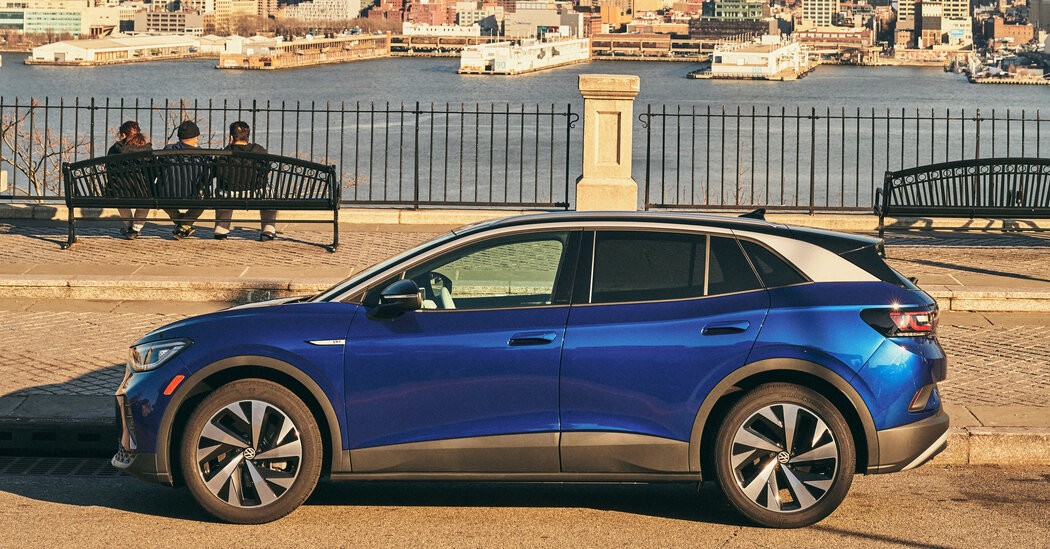
Volkswagen has announced it will cease production of the ID.4 electric SUV at its Chattanooga, Tennessee, plant later this month. The company is pivoting its manufacturing strategy to prioritize the production of a new, gasoline-powered version of its Atlas SUV.
This decision marks a significant tactical shift for the German automaker as it navigates a rapidly changing landscape in the United States, driven by new federal policies and shifting consumer demand.
The Drivers of the Pivot: Policy and Sales
The move follows a sharp decline in electric vehicle (EV) sales in the U.S. market. A primary factor is the recent elimination of federal tax credits by Congress, which has significantly increased the cost of entry for many consumers. Under the current administration, federal policy has moved away from subsidizing green energy and toward supporting fossil-fuel-powered vehicles.
The impact on Volkswagen’s numbers is stark:
– Following the expiration of the tax credits, Volkswagen sold only approximately 250 ID.4 units in the final three months of 2025.
– This represents a 60% drop compared to the same period the previous year.
A Growing Industry Trend
Volkswagen is not acting in isolation. The company joins a growing list of major automotive players—including General Motors, Ford, Stellantis, and Honda —that have recently scaled back their EV ambitions or delayed new model launches due to sales falling short of initial projections.
However, the market remains volatile. While current sales are down, there are emerging indicators of potential interest in EVs:
– Fuel Price Volatility: Rising gasoline prices, fueled by geopolitical tensions in Iran, are driving consumers to look for alternatives.
– Increased Interest: According to Cars.com, searches for both new and used electric vehicles rose by 25% between late February and late March.
Impact on Workforce and Future Strategy
Regarding the impact on its workforce, Volkswagen stated that employees currently building the ID.4 will be offered alternative roles within the Chattanooga plant. Additionally, the company will offer an unspecified number of workers early retirement packages.
Despite the pause in local EV production, Volkswagen maintains that the Tennessee facility remains a “cornerstone” of its U.S. strategy. While the ID.4 will still be sold in the U.S., the company has not yet confirmed when a new version will arrive or if future electric models will return to the Chattanooga assembly line. For now, the company claims its existing inventory of the ID.4 is sufficient to meet demand through at least 2027.
Divergent Paths in the Auto Industry
The industry is currently split between those retreating from electrification and those doubling down:
– The Retreaters: Companies like Volkswagen and Ford are prioritizing traditional internal combustion engines to stabilize revenue.
– The Aggressors: Toyota plans to expand its U.S. electric lineup from one model to four, while Hyundai continues to invest heavily in U.S. production, reporting a 13% increase in sales for its Ioniq 5 in March.
This shift highlights the tension between long-term environmental goals and the immediate economic realities of policy changes and consumer purchasing power.
Conclusion
Volkswagen’s decision to prioritize gasoline-powered SUVs in Tennessee reflects a broader industry realignment in response to the removal of EV tax credits and shifting federal priorities. While the company is scaling back local electric production, the volatility of gas prices suggests that the long-term demand for electric alternatives remains a critical variable for the market.