
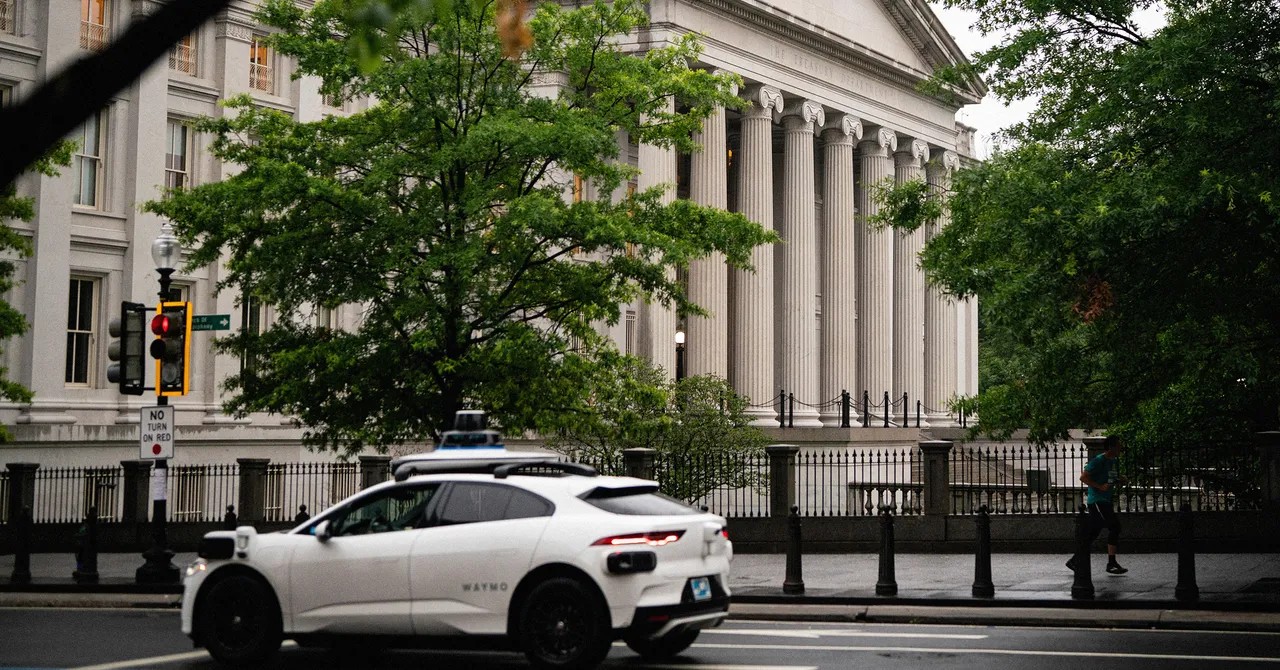
Waymo, the self-driving technology developer, is directly urging residents of Washington, D.C., to pressure their local officials into approving regulations for fully autonomous vehicle operation. The company sent an email to subscribers of its D.C. service, asking them to contact Mayor Muriel Bowser, the City Council, and the Department of Transportation to expedite approvals.
For over a year, Waymo has been seeking permission to operate its robotaxis in the district without human drivers – currently, testing is permitted only with a safety operator present. The company insists it’s “nearly ready” to launch public driverless rides this year, but cites a lack of official greenlights as the obstacle.
The unusual tactic involves providing recipients with a pre-written form letter they are encouraged to personalize. Waymo believes that individual, customized messages carry more weight with lawmakers. The campaign is limited to D.C. residents only, reinforcing its focus on local political influence.
Waymo spokesperson Ethan Teicher stated the company “will be ready to serve Washingtonians this year” and urged officials to act. According to Waymo, 1,500 people contacted D.C. leaders within the first 90 minutes of the email blast.
This direct lobbying effort highlights a broader trend: self-driving companies increasingly target cities where existing regulations don’t immediately accommodate their technology. While Waymo has launched services in states like California, Florida, and Texas with pre-existing autonomous vehicle frameworks, it now actively pursues markets requiring new legislation.
Similar campaigns were employed by Uber, Lyft, and Bird in the past to overcome regulatory hurdles. Waymo’s approach underscores the company’s willingness to bypass conventional lobbying channels and mobilize public pressure to accelerate its expansion. Currently, Waymo operates in six U.S. metro areas and plans to expand into over ten more this year.
The company’s efforts come amid broader discussions about federal regulations for autonomous vehicles, including a House committee bill that seeks to standardize safety measures and preempt state-level restrictions. As the self-driving industry matures, direct engagement with local communities is becoming a key strategy for securing market access.
The campaign raises questions about the influence of tech companies on local politics and whether direct lobbying by corporations will become more common as autonomous technologies seek wider adoption.