
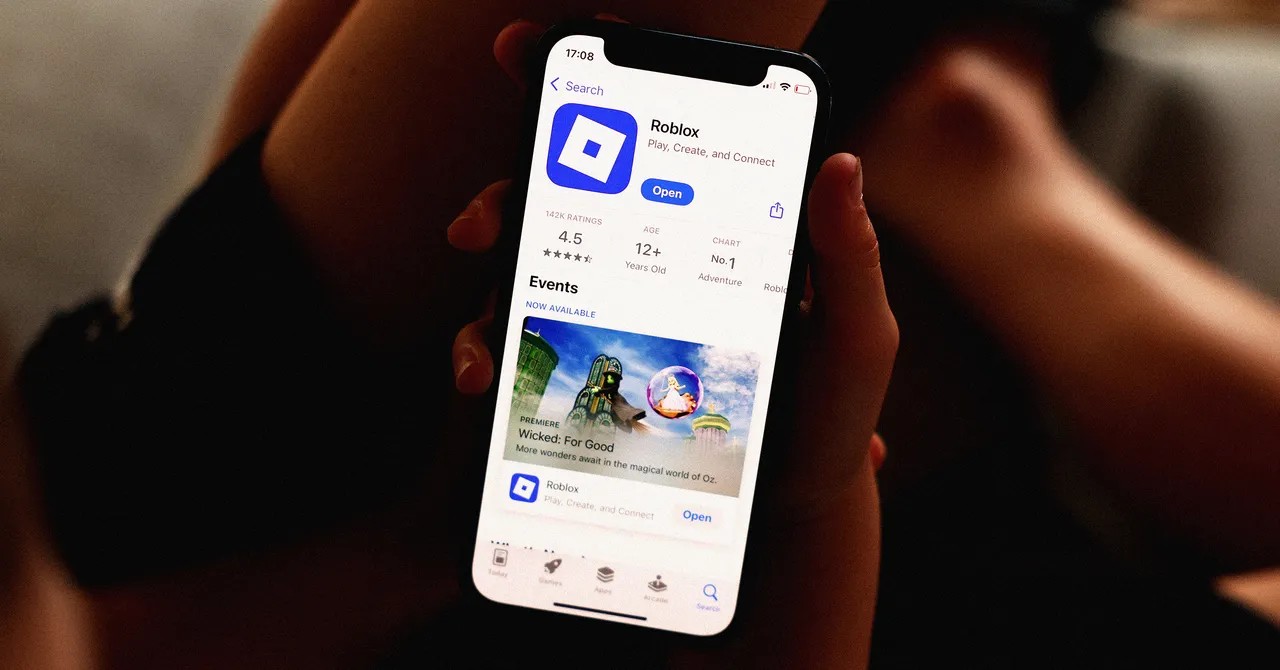
Roblox’s highly-touted AI-powered age verification system is failing spectacularly, just days after launch. The rollout, intended to safeguard young users from predators, has instead triggered widespread chaos, misidentifying ages, enabling fraud, and driving away users.
The Broken System
Roblox implemented face scanning to estimate users’ ages before allowing access to chat, initially in select countries and now globally. The goal: to ensure kids interact primarily with peers. The reality: the system is riddled with errors. Players report being misclassified as both younger and older than their actual age, while experts say the measure does little to prevent predators from exploiting the platform.
Worse, the system is easily circumvented. Listings on eBay openly sell verified accounts for minors as young as nine years old, some for as little as $4. Despite eBay’s policy violations, the market for age-verified access persists. Roblox’s chief safety officer admits the rollout is imperfect, citing the platform’s massive scale (over 150 million daily users) as a challenge. However, this argument doesn’t address the core failures.
Lawsuits and Predator Activity
The rollout comes amid mounting legal pressure. Roblox faces lawsuits alleging it failed to protect children from grooming by adults. Attorneys general in Louisiana, Texas, and Kentucky have filed suits, while Florida’s attorney general has issued criminal subpoenas investigating whether Roblox aids predators.
The company claims age verification will block adult interaction with underage users. While optional, refusing verification locks players out of chat, a core Roblox feature. Verification involves video scanning by Persona (an AI age estimation company) or uploading a government ID for those 13+. Roblox claims data is deleted immediately, but privacy concerns abound.
Fraud and User Revolt
Players are actively gaming the system. Reports show users tricking the AI with avatars, deceased celebrities’ photos, or even drawn-on facial features. One boy drew wrinkles on his face with a marker and was rated 21+. Meanwhile, some children are being misclassified as adults, and vice versa.
The fallout is severe. Chat activity in games has plummeted, with one developer reporting a 57% drop in text chat usage. Thousands of negative comments flood Roblox’s developer forum, demanding the update’s reversal. The company says it will recheck ages if fraud is suspected, but details on how this will work remain unclear.
The Core Problem
The system’s failures underscore a critical issue: technology alone cannot solve complex social problems like online predation. While Roblox aims to create a safer environment, the current implementation is ineffective and potentially harmful. The company’s insistence on a flawed rollout, despite clear evidence of its shortcomings, raises serious questions about its commitment to protecting young users.
The situation demands a more comprehensive approach, including improved moderation, robust reporting mechanisms, and stronger law enforcement collaboration. Until then, Roblox’s age verification system remains a broken promise.