
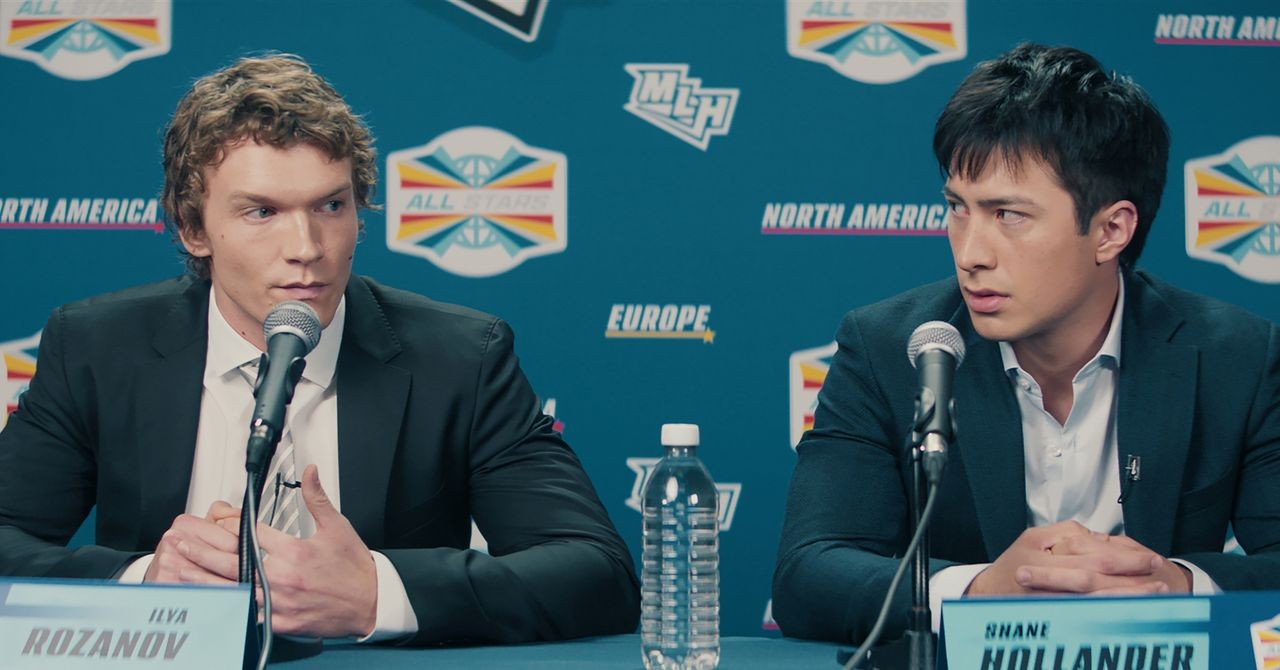
The explosive success of the hockey drama Heated Rivalry has unleashed a level of fan obsession that’s spiraling into harassment, doxxing, and real-world conflict. What began as admiration for the show’s stars – Connor Storrie and Hudson Williams – has devolved into a vicious battleground fueled by parasocial relationships, misinformation, and unchecked online aggression.
The Rise of Fandom Toxicity
The series, which premiered in late November, quickly catapulted its leads into overnight stardom. This triggered a relentless cycle of tracking every public appearance, scrutinizing personal lives, and dissecting rumors. When photos surfaced of Storrie and François Arnaud at a Grammys after-party, fan accounts debated for hours whether to share them, wary of potential backlash for using paparazzi images. This illustrates a key dynamic: the fandom now operates as a self-policing entity, enforcing its own rules about content sourcing.
The intensity is staggering. Fans are rewatching episodes obsessively, with 15% having seen some episodes five times or more. The fervor has spilled into real life, with watch parties still thriving months after the finale. But beneath the surface, a dark undercurrent is brewing.
From Obsession to Harassment
The most disturbing trend is the willingness to weaponize personal information. Storrie’s old YouTube videos went viral, while attempts to dig up Hudson Williams’ digital footprint led to fabricated reviews being attributed to him, sparking “stan wars” with other fanbases. This culminated in Williams being targeted with racist slurs, though he brushed them off with a dismissive remark about “developed frontal cortices.”
The debate over Storrie and Arnaud’s rumored relationship has become particularly toxic. Despite a 15-year age gap, some fans are flooding Arnaud’s Instagram with threats and insults, even harassing his former partners. Arnaud’s blunt refusal to comment on the matter (“None of your fucking business”) only fueled the fire.
The Role of Social Media Platforms
The problem isn’t just the fandom; it’s the platforms enabling it. X (formerly Twitter) has become a breeding ground for unchecked hatred, with rampant racism, homophobia, and extremist rhetoric. The monetization of blue checkmarks incentivizes engagement at any cost, including outrage and conflict.
Meanwhile, accounts like Deuxmoi are accused of amplifying the drama by sharing unverified information, further encouraging fans to dig into the personal lives of the cast. When one journalist requested an interview with Nicki Minaj, she shared the reporter’s info, implying her fans could “take care of the rest.”
A Cycle of Misinformation and Outrage
The situation highlights a dangerous cycle: fans feel entitled to control the narrative, policing actors’ sexuality, age gaps, and even alleged political views. This extends to real-world consequences: rumors about Williams’ girlfriend led to her being harassed despite a lack of concrete evidence.
Even industry insiders are caught in the crossfire. Out Magazine reporter Moises Mendez II was berated for defending Arnaud against racist attacks, accused of being a “Klan” member for prioritizing his safety over the outrage. The show’s creator, Jacob Tierney, has publicly denounced the “toxic” behavior but refuses to intervene, signaling a hands-off approach.
The Bigger Picture
The Heated Rivalry fandom is a microcosm of a larger trend: parasocial relationships gone wrong. Fans are increasingly blurring the lines between admiration and ownership, acting as self-appointed protectors of their favorite celebrities. This behavior isn’t new – Taylor Swift’s fans doxed a Pitchfork writer for a negative review – but the intensity and speed with which it escalates are alarming.
Ultimately, the situation reveals a disturbing truth: in the age of social media, fandom can easily devolve into a mob, and the line between support and harassment is thinner than ever.