



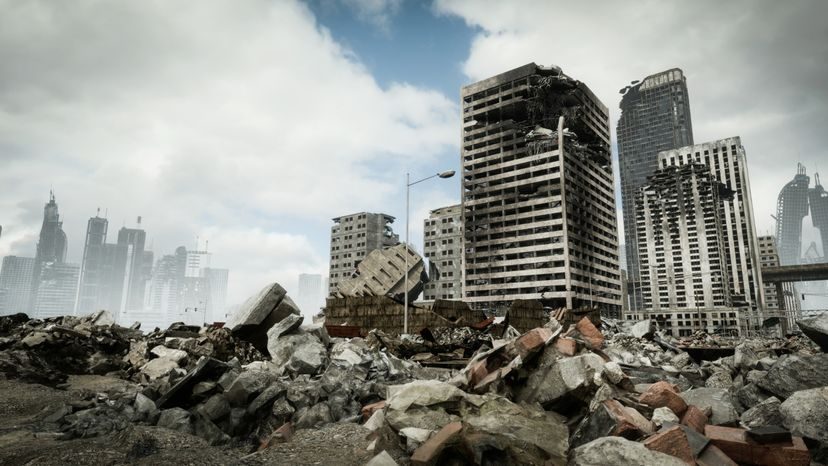
Check your pockets. You likely have some dead politicians’ faces printed on paper and a few coins made of base metal. In a post-collapse world where the grid goes dark and supply chains vanish, that fiat money is worthless. Gold might sit heavy in your pocket, but it won’t feed you or keep you warm.
When the modern economy evaporates, we return to barter. But not everything is equally tradeable. Some items become liquid assets overnight. Here is what actually holds value when the power goes out.
Sugar as a Strategic Reserve
Human biology doesn’t change just because civilization falls apart. We still need glucose to function. Sugar is difficult to produce in bulk, which gives it inherent scarcity.
Unlike gold, which is finite and static, sugar supply can scale. If agriculture restarts, production increases. This makes it a durable, practical tool for regulating trade. It’s not just a sweetener. It is a portable energy source and a stabilizer for value.
Candles for Light and Utility
Candles are often overlooked by preppers. They should not be. In a world without electricity, light is life. But candles offer more than illumination.
They provide heat. The wax itself is a malleable material. Melt it down and you have adhesive, sealant, or fuel. They are portable, durable, and come in standardized sizes. This variety allows for precise trading. You can trade a small candle for a loaf of bread or a large one for labor.
Demand will skyrocket once the grid fails. Hardcore survivalists know this. They stockpile wax and wicks because the ability to generate light and heat without a switch is priceless.
Information as Power
Libraries will shift from quiet repositories to high-value trade hubs. Our digital infrastructure relies on a complex labor force. Without engineers, technicians, and power grid workers, servers die. Cloud storage vanishes.
Paper books remain. They require no electricity to access. An encyclopedia set given as a wedding gift decades ago becomes a treasure trove of practical knowledge. Knowing how to purify water, build a shelter, or treat an infection is worth more than any stock certificate.
Space for books should be prioritized in any shelter design. Knowledge is the ultimate hedge against uncertainty.
Footwear: Status and Survival
Good shoes are always valuable. In the apocalypse, they are essential. You will be walking everywhere. Bad feet mean you cannot scavenge, cannot flee, and cannot work.
But there is a psychological component. Status symbols persist even at the bottom of society. The desire to appear better off than your neighbor is strongest among the disadvantaged. A pair of undamaged, high-quality sneakers can function as a status marker.
It is a weird economic truth. The poor may cling to brand names not out of vanity, but as a signal of worth in a world that has stripped everyone else of identity. A pair of shoes from a known brand could command the same premium as a luxury car does today.
Salt and Spices as Preservation Tools
Spices were once currency. Roman soldiers were paid in salt. The word “salary” comes from salarium, the salt allowance.
In a post-collapse world, flavor is secondary. Preservation is primary. Without refrigeration, meat spoils quickly. Salt draws out moisture, preventing bacterial growth. It is the closest thing we have to a fridge.
Spices also hide the taste of spoiled food. They make bland, rotting rations palatable. This makes them a practical tool for extending the life of other goods. You trade spices not for luxury, but for longevity. Your entire spice rack becomes a preservation technology.
Honey: Medicine and Energy
Bees are vital to agriculture, but their product is vital to survival. Honey is a natural antiseptic. It has been used for centuries to treat wounds. In a world without modern medicine, that property alone makes it valuable.
It is also a dense energy source. Portable. Scalable. It never spoils if stored correctly.
Honey serves as both food and medicine. It can be traded for medical supplies, labor, or other essentials. Its dual utility makes it a robust currency. One jar might buy a bandage. Another might buy a week’s worth of labor.
Alcohol: Disinfectant and Social Lubricant
Alcohol has served as currency since humans learned fermentation. Beer for rides. Wine for favors. It works because it is functional and refinable.
You can craft it into many varieties. Strength varies. Quality varies. This allows for a tiered market. Basic alcohol meets a basic need. High-proof, aged spirits convey status.
But beyond the social aspect, alcohol is a disinfectant. It is a crude sedative. Even those who do not drink will pay for it to clean wounds or manage pain. It bridges the gap between luxury and necessity.
A bottle of whiskey might buy shotgun shells. A case of beer might secure a night’s shelter. Its versatility ensures demand.
These items share common traits. They are useful. They are durable. They are portable. They solve immediate problems. In a collapse, utility dictates value. Gold sits heavy and does nothing. Sugar feeds you. Candles light your dark. Books teach you. Shoes protect you. Salt saves your meat. Honey heals your wounds. Alcohol cleans your cuts.
Which of these do you currently have in abundance?
Why Cigarettes Could Be Your Best Asset
Prison dramas have trained us to accept one grim reality: cigarettes function as currency. In a collapsed economy, that premise doesn’t vanish; it intensifies. When major manufacturers cease production, the supply chain breaks permanently. You are left with whatever stockpiles exist and the demand of those addicted to nicotine. Even non-smokers should recognize the value here. A pack of cigarettes isn’t just a comfort. It’s a bargaining chip that could secure your safety or buy you time. The value isn’t in the smoke. It’s in the dependency.
The High Stakes of Firearms and Ammo
Owning a gun is useless without bullets. In a survival scenario, ammunition becomes scarce, expensive, and fiercely contested. It is the ultimate lever of power. Those who hold the firearms need the ammo to protect their assets. Those who hold the ammo control the people.
Consider a trade with a local commune. Offering a box of shotgun shells does more than buy goods. It earns respect. It signals reliability. It might even get you invited into a community that can help ensure your survival. But discretion is key. Who you give these shells to determines your future. Give them to the wrong group, and you’ve just armed your enemy.
Knives, Hatchets, and Ancient Trade
Guns intimidate. Knives build. In a post-collapse world, utility matters more than firepower. You can’t eat a bullet. You need to process food. You need to chop wood for heat. Knives and hatchets are essential tools, making them highly valuable in barter economies. Their portability isn’t as high as candles or alcohol, but their utility is unmatched.
This isn’t a new concept. During the Zhou Dynasty, between 600 and 200 B.C., Chinese soldiers used knives as currency. Villagers accepted them as payment. The practice spread across the country. Knives weren’t just tools. They were money.
Gasoline: The Fuel of Power
Movies like Mad Max and Waterworld show us who holds the reins in a wasteland. It’s the people who control the fuel. Gasoline powers combustion engines, heavy machinery, and even simple lanterns for light and heat. Without it, modern conveniences die.
Imagine having an M1 Abrams tank. Without fuel, it’s a metal tomb. With it, you have security. You have mobility. You have a threat that others cannot easily match. Gasoline remains a strategic resource, not just a commodity.
Seeds: The Foundation of Survival
Traditional family farms are disappearing. Factory farms dominate. Supply chains turn wholesome food into processed snacks with little nutritional value. If the monetary system fails, so do trade agreements. Grocery stores will be stripped bare. People will need to grow their own food.
This shifts value back to human labor. Keeping farms operational requires work. Producing locally grown, non-refrigerated produce becomes a matter of life and death. At the center of this system are seeds. They are small. They are unassuming. But they are the powerhouses of life. Plant them, and you plant your future.

