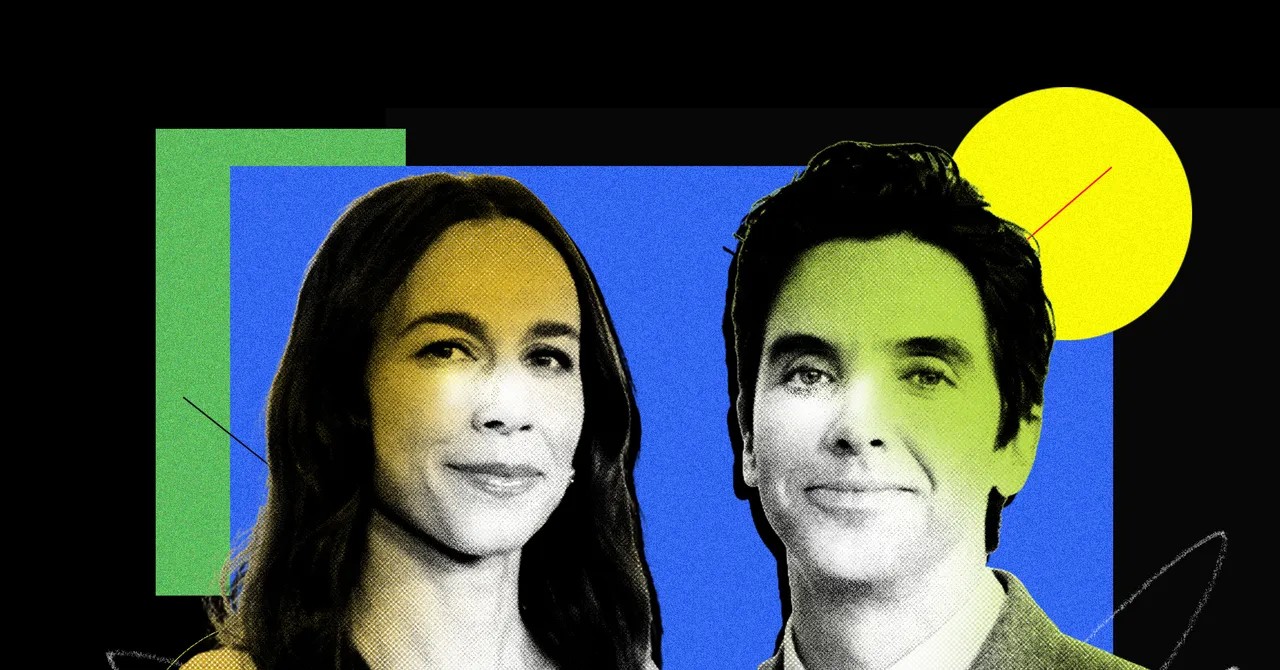
The upcoming finale of HBO Max’s critically acclaimed comedy Hacks arrives not just as an ending to a beloved series, but as a stark commentary on the current state of the entertainment industry. In a candid interview, co-creators Lucia Aniello and Paul W. Downs articulated a fierce defense of human creativity against the encroachment of artificial intelligence, while reflecting on how their show has mirrored real-world crises in media consolidation and censorship.
As the five-season run concludes, the creators emphasize that the show’s enduring appeal lies in its refusal to take shortcuts—a philosophy that stands in direct opposition to the industry’s growing reliance on algorithmic generation and corporate control.
The Human Element vs. The Algorithm
While actor Hannah Einbinder previously dismissed AI creators as “losers” and “not artists,” Aniello and Downs offer a more nuanced, yet equally resolute, perspective. They view AI not merely as a technological tool, but as a threat to the sanctity of the creative process.
For the duo, comedy is sacred. It is born from the messy, difficult, and deeply human experience of collaboration. They argue that when AI enters the picture, it strips away the essential friction that leads to genuine art. The relationship between Hacks ’ two protagonists—veteran comedian Deborah Vance and young writer Ava Daniels—is built on this friction. Their initial clashes and eventual creative synergy are not just plot devices; they are a testament to the idea that art requires human vulnerability and conflict to thrive.
“The one thing that she can’t abide is censoring herself and also firing her voice… She cares more about comedy than making shareholders happy.”
This stance highlights a broader trend in the arts: a resistance to the “efficiency” models favored by tech giants. As AI tools promise faster content production, creators like Aniello and Downs warn that speed often comes at the cost of soul. The question raised is not just about who gets paid, but about what kind of culture we are building when art becomes a commodity rather than a conversation.
A Mirror to Industry Realities
Hacks has long served as a meta-commentary on Hollywood itself. From the beginning, the show explored themes that were becoming increasingly relevant in the real world: media consolidation, corporate censorship, and the shifting power dynamics between artists and executives.
One of the most striking examples occurred at the end of Season 4, when Deborah Vance quits her late-night show after refusing to be censored. This plot point aired months before real-life incidents involving Jimmy Kimmel and Stephen Colbert, where networks faced pressure to soften political jokes. Aniello and Downs did not predict these events; rather, they wrote them because they recognized the tension between artistic integrity and capitalist growth as an inherent flaw in the modern media landscape.
The creators argue that under late-stage capitalism, the drive is no longer just for profit, but for endless growth. This pressure leads to exploitation and censorship, as networks prioritize shareholder satisfaction over creative risk. The show’s narrative arc—where Deborah realizes she has “pissed off the wrong boss” and loses control of her work—reflects the very real fears of many creators today. With fewer media conglomerates controlling more platforms, the leverage of individual artists is diminishing, making stories like Hacks ’ increasingly prophetic.
Gender, Power, and Creative Collaboration
Beyond the political, Hacks is fundamentally a story about two women finding power in each other. Aniello and Downs, who came up through the independent comedy scene (including the creation of Broad City ), approached the characters with a specific goal: to depict a collaboration between female artists that was rare on television.
Unlike Deborah Vance, who had to carve out a space in a male-dominated industry through sheer force of will, Aniello and Downs describe their own careers as somewhat sheltered by supportive, female-heavy writing rooms. However, they acknowledge that their privilege exists because of women like Deborah who fought for the path ahead.
The show’s exploration of gender is not just about victimhood; it is about agency and authorship. It challenges the traditional narratives where women’s stories are told by men or constrained by tropes. By centering the complex, evolving bond between Ava and Deborah, the series demonstrates that creative partnership can be a form of empowerment, allowing both characters to grow beyond the limitations imposed by their respective generations and genders.
The Stakes of Free Speech
The interview concludes with a sobering reflection on the current political climate. Aniello draws a direct line between the censorship seen in Hacks and the real-world crackdown on comedians and journalists. In an era of rising authoritarianism and economic instability, she argues, those who “speak truth to power” are the first targets.
Comedians and journalists serve as the frontline defenders of free speech, exposing the failures of systems that are becoming increasingly unlivable for the average citizen. When governments and corporations clamp down on these voices, it is not just an attack on entertainment; it is an attack on democracy itself.
Conclusion
As Hacks draws to a close, its legacy extends beyond its sharp wit and character development. It stands as a vital record of a specific moment in time—one where creators are actively resisting the dehumanization of art by AI and the silencing effects of corporate consolidation. The show reminds us that while technology and capital may change the landscape, the need for authentic, human-driven storytelling remains non-negotiable.