



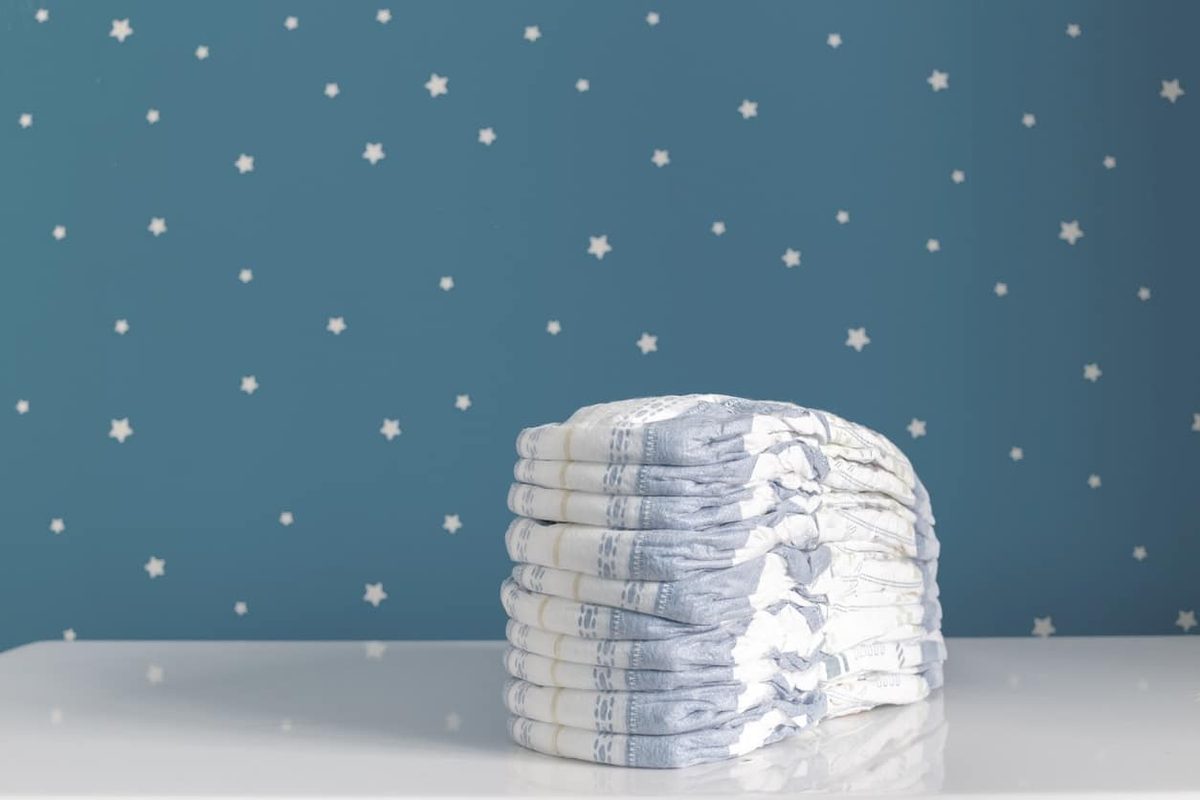
Disposable diapers changed the parenting game. There is no denying that. They are a lifesaver when you are rushing out the door or dealing with a newborn who refuses to stay still. But they also destroy your budget.
The numbers are staggering. The French Agency for Food, Environmental and Occupational Health & Safety (Anses) estimates that a single child uses between 4,000 and 5,000 diapers before they turn three. That is thousands of euros burned over just a few short years.
You do not have to accept this financial hit. There are ways to cut costs without sacrificing your baby’s comfort. Here are seven practical methods to pay less for diapers.
Switch to Bulk Buying
The most obvious way to save money is to stop buying small packs at the grocery store. Retailers price small quantities higher per unit.
Buy in bulk. Supermarkets and online retailers offer significant discounts when you purchase large boxes or monthly subscription bundles. The upfront cost is higher, but the per-diaper price drops dramatically. This is especially true for store-brand generic diapers, which often match the quality of name brands at a fraction of the cost.
Consider Cloth Diapers
Cloth diapers have a bad rap. People think they are dirty and difficult. They are not anymore. Modern cloth diapers are designed with waterproof layers and soft, absorbent cores.
The math works in your favor over time. Yes, you spend money on the initial setup—buying the diapers, inserts, and a wet bag. But once you have the stock, your only recurring cost is laundry. If you wash them at home, your monthly expense plummets compared to buying hundreds of disposable units.
Many parents switch part-time. They use disposables for travel and overnight runs. They use cloth for daytime changes. This hybrid approach balances convenience with savings.
Watch for Sales and Coupons
Price tracking is essential. Diaper prices fluctuate based on promotions. Retailers often run “buy one get one free” deals or percentage-off discounts.
Sign up for newsletters from major baby retailers. They send out exclusive coupons. Combine these coupons with store sales for maximum impact. Do not stock up on brands you do not know your baby tolerates. Wait until you have found a winner before buying in bulk.
Use Size Appropriately
Parents often keep their baby in a larger diaper size than necessary. They worry about leaks or running out too quickly. This is a mistake.
A larger diaper costs more than a smaller one. Even if it fits loosely, you are paying for material you do not need. Check the weight guidelines. Move up to the next size only when your baby truly outgrows the current one. Most babies stay in the same size for several months. Do not rush the upgrade.
Check for Government Subsidies
Some countries and regions offer financial aid for baby supplies. In France, for example, the family allowance office (Caisse d’Allocations Familiales) may provide subsidies.
These programs vary by location. Check your local government resources. You might qualify for direct payments or vouchers that offset the cost of essential items like diapers. Do not leave money on the table by ignoring these programs.
Avoid Premium “Luxury” Features
Brands market advanced features like ultra-soft textures, extra wetness
Hunting for Private Sales and Promotions
The math is simple: diapers are expensive. But paying full price is optional if you know where to look.
Track the promotions. Big-box stores run aggressive ads. Flip through their catalogs. Compare prices. Do it every week.
Join parenting groups on social media. Parents share deals constantly. These aren’t just rumors. They are real discounts. You can save up to 50% this way. Sometimes you get one pack free when you buy another.
Watch for cash-back offers. Some retailers give store credit instead of immediate price cuts. Use that credit on your next haul.
The Subscriptions Trap and Benefit
Online subscriptions look easy. They promise convenience. They often promise free shipping.
Check the fine print. Not all subscriptions require a minimum order. Most do. If you buy small packs, you might pay more in shipping than you save.
Loyalty programs can help. Sign up for brand newsletters. You might get coupons. You might get free samples. Test the product before buying in bulk.
The Unit Price Calculation
Stop looking at the total package price. Start looking at the unit price.
Diapers come in dozens of sizes. The big pack looks like a deal. It might not be.
Pull out a calculator. Divide the total price by the number of diapers. Compare that number across brands. Do it for every sale type. Percentage off? Calculate the final unit cost.
The best deal is the one with the lowest cost per diaper. Not the lowest total cart price.
Sizing: Don’t Overbuy
Wrong size means wasted money. It also means leaks. And leaks mean more changes. And more changes mean more diapers.
Diaper sizes don’t match age. They match weight and development.
Here is the standard range:
- Size 0: Under 3 kg.
- Size 1: 2 to 5 kg.
- Size 2: 2 to 6 kg.
- Size 3: 4 to 9 kg.
- Size 4: 7 to 18 kg.
- Size 5: 11 to 25 kg.
- Size 6: Over 16 kg.
Weigh your baby. Don’t guess.
Fit matters more than the number on the box. The waistband should sit below the belly button. The leg gathers should hug the thigh without digging in. If it’s too loose, it leaks. If it’s too tight, it’s uncomfortable. Buy the size that fits the weight. Not the size that fits the baby’s birthday.
The Washable Alternative
Cloth diapers are a different beast.
Initial cost is high. You need a stash. You need a washer. You need drying space.
Long-term savings are real. But the ROI takes time. It’s not immediate.
It’s also eco-friendly. You reduce landfill waste. You reduce plastic use.
If you commit, buy from reputable sellers. Use online marketplaces or specialized stores. The upfront investment pays back over years. Not months.
Buying from Individuals
Check classifieds. Look at social media marketplaces.
People move houses. They have kids outgrow sizes. They sell unused packs.
Prices are competitive. Often below retail.
Be careful. Verify the product is new. Check the expiration date if marked. Ensure the packaging is intact. Hygiene is key. Don’t buy opened packs.
Auto-Ship Discounts
Retailers love auto-ship. They lock you in.
You get a discount. Usually 5% to 15% off.
It’s convenient. You don’t run out. You don’t make emergency trips to the store.
But do you need that many diapers next month? Babies grow fast. Sizes change quickly. Auto-ship is great for constant items like wipes or formula. It’s risky for diapers unless you track usage closely.
The Real Cost of Diapers
What’s the average spend?
It varies by brand. It varies by frequency of changes.
The baseline is 0.15 € to 0.30 € per diaper.
Multiply that by daily use.
Yearly cost ranges from 270 € to 900 €.
That’s a significant line item. It’s not negligible.
Daily Usage Patterns
Usage drops as babies grow.
First three months: 8 diapers a day.
Up to five months: 7 diapers a day.
Up to nine months: 6 diapers a day.
Up to one year: 5 diapers a day.
Up to 18 months: 4 diapers a day.
Up to 2.5 years: 3 to 2 diapers a day.
Once potty training starts, the volume drops sharply.
Nighttime protection remains. One diaper per night until the need passes.
Track your usage. Adjust your budget. Stop overbuying sizes that won’t fit in three weeks. Buy what fits now. Buy more of what fits later.
The market is competitive. Brands fight for your wallet. You don’t have to pay their asking price.
Find the unit price. Check the fit. Use the discounts.
It adds up.


