
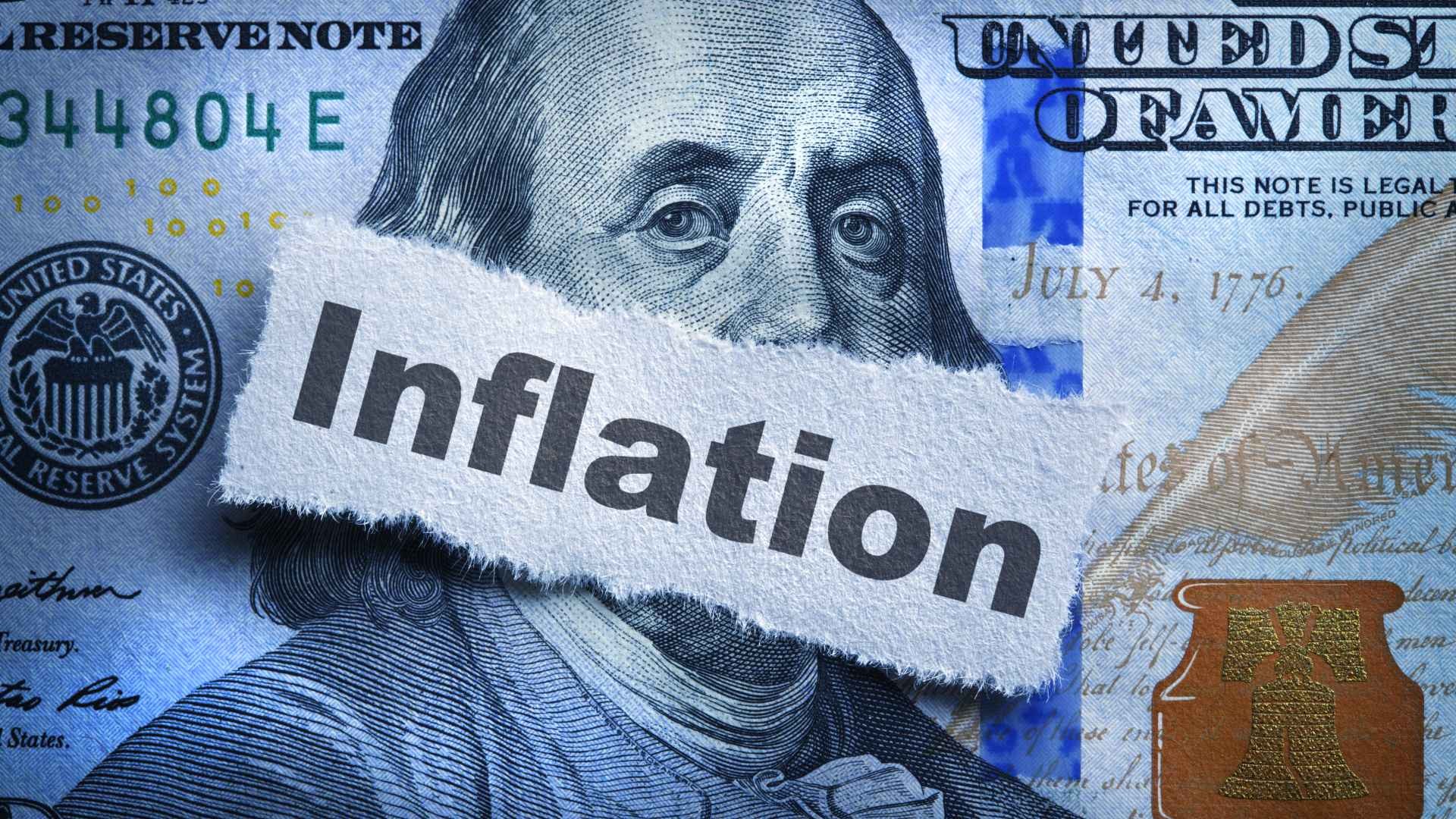
While many consumers hope for a steady decline in the cost of living, several prominent financial voices are warning that inflation could actually trend upward through 2026. Rather than a smooth descent toward target levels, economic experts suggest a period of “sticky” inflation—where prices remain stubbornly high or even climb due to geopolitical and domestic pressures.
The “Skunk at the Party”: Jamie Dimon’s Warning
Jamie Dimon, CEO of JPMorgan Chase, has signaled caution regarding the long-term trajectory of inflation. In a recent shareholder letter, he described the possibility of rising inflation as the “skunk at the party” —an unwelcome disruption that could derail economic stability by 2026.
Dimon identifies several global catalysts that could drive prices higher:
– Geopolitical Instability: Conflicts, such as those involving Iran, create volatility in energy markets.
– Commodity Shocks: Ongoing fluctuations in the prices of oil and essential raw materials.
– Supply Chain Reshaping: The massive, ongoing restructuring of global trade routes and manufacturing hubs can lead to higher structural costs.
Compounding Pressures: Why Inflation Stays “Sticky”
The consensus among several analysts is that inflation is not just a single-factor issue but a result of multiple, overlapping economic forces. When these factors collide, they create a cycle that is difficult to break.
1. The Wage-Price Spiral and Labor Markets
Andrew Lokenauth, founder of Fluent in Finance, notes that a tight labor market often triggers a self-reinforcing cycle. As workers demand higher wages to keep up with living costs, businesses raise their prices to protect profit margins, which in turn fuels further inflation.
2. Fiscal and Trade Policy
Experts point to several policy-driven factors that act as “inflationary tailwinds”:
– Tariffs: The delayed effects of trade tariffs are still working through the economy, often resulting in higher costs for consumers.
– Federal Deficits: High government spending—with deficits potentially exceeding 7% of GDP—can keep liquidity in the system, supporting higher price levels.
– Service Sector Costs: Annie Cole, founder of Money Essentials for Women, highlights that rising wages and service prices, combined with increasing oil costs, continue to exert upward pressure on the Consumer Price Index (CPI).
Diverging Forecasts: A Short-Term Spike or Long-Term Trend?
While the outlook is cautious, experts differ on how long these pressures will last.
- The “Temporary Spike” View: Melanie Musson of Quote.com suggests that while inflation may rise—potentially surpassing 4% due to ongoing conflicts—it is likely to settle back toward the 3% range by the end of 2026 as geopolitical tensions stabilize.
- The “Sticky Plateau” View: Other analysts, including Lokenauth and Cole, suggest that inflation is more likely to remain stuck around the 3% mark for much of the year, driven by the cumulative impact of housing, labor, and trade costs.
Why this matters: For the average consumer, “sticky inflation” means that even if the rate of price increases slows down, the actual cost of goods and services does not drop; it simply stops rising as quickly. If inflation trends upward in 2026, it could necessitate higher interest rates for longer, impacting everything from mortgage rates to credit card debt.
Summary
The economic outlook for 2026 is characterized by uncertainty, with experts warning that geopolitical conflicts, trade policies, and labor market dynamics could push inflation higher rather than lower. While some see this as a temporary fluctuation, others warn of a persistent trend that could keep the cost of living elevated throughout the year.