
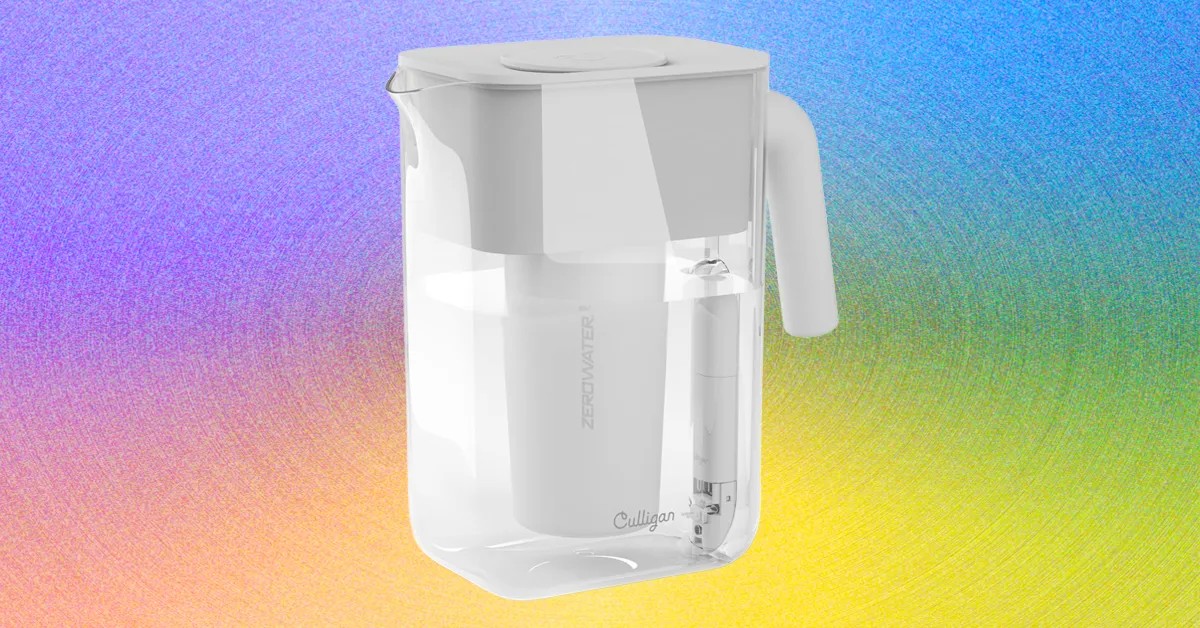
As water quality concerns evolve, so must the technology used to treat it at home. The days of simple pitchers designed merely to remove the taste of chlorine are over. Today, consumers are facing a new generation of contaminants—ranging from “forever chemicals” to microscopic plastic particles—that require much more sophisticated filtration methods.
The Evolution of Water Filtration
In the 1980s, water pitchers were primarily used to mitigate the smell and taste of chlorine, a process that could often be achieved simply by letting water sit out for 20 minutes. However, the modern landscape of water safety has changed. We are now dealing with complex pollutants that do not simply “gas off,” including:
- PFAS and PFOA: Often called “forever chemicals,” these synthetic substances are persistent in both the environment and the human body.
- Microplastics: Tiny plastic particles that have recently gained significant attention regarding their potential health impacts.
- Pharmaceuticals: Trace amounts of medications, such as painkillers, that have entered municipal water supplies.
- Heavy Metals and Microbes: Essential targets for any high-performance filtration system.
How the Top Pitchers Were Evaluated
To identify the most reliable models for 2026, a rigorous multi-step testing process was employed, focusing on scientific verification rather than marketing claims.
1. Prioritizing Certification Over Claims
A critical distinction in this evaluation is the difference between a company claiming to have “tested” its product and having official NSF International certification. While independent lab tests are useful, official certifications are more rigorous because they involve continuous retesting and oversight of the entire production chain.
2. Independent Verification
Because reliable home testing kits for PFAS and PFOA are currently unavailable, this review relied heavily on third-party data. Extra weight was given to findings from independent non-profit organizations, such as the Environmental Working Group (EWG), which operate without the influence of the filter manufacturers.
3. The Chloramine Challenge
One of the most significant variables in water filtration is the type of disinfectant used by your local municipality.
* Free Chlorine: Used in cities like New York, Chicago, Seattle, and Phoenix. It is relatively easy to remove.
* Chloramine: A more stable and enduring compound used in major cities including Los Angeles, Philadelphia, Atlanta, Boston, and most large Texas cities.
Because chloramine is much harder to break down, a pitcher that works well in New York might fail in Los Angeles. This review specifically tested for total chlorine removal to ensure the filters could handle these more stubborn compounds.
4. Practical Usability
Beyond chemistry, a water filter must be functional for daily life. The evaluation included “real-world” metrics:
* Filtration Speed: How long you must wait to get a drink.
* Ease of Use: How simple it is to prime and set up the device.
* Build Quality: Checking for leaks and ensuring the unit is sized appropriately (e.g., fitting into a standard refrigerator door).
Summary of Findings
The most effective pitchers for 2026 are those that move beyond simple taste improvement to provide a robust barrier against chemical and microscopic pollutants. When choosing a model, the most important factor is ensuring the filter is rated for the specific disinfectant—chlorine or chloramine—used in your local water supply.
Conclusion: As water contaminants become more complex, the value of a filter lies in its certified ability to remove invisible threats like PFAS and chloramine, rather than just improving flavor.