
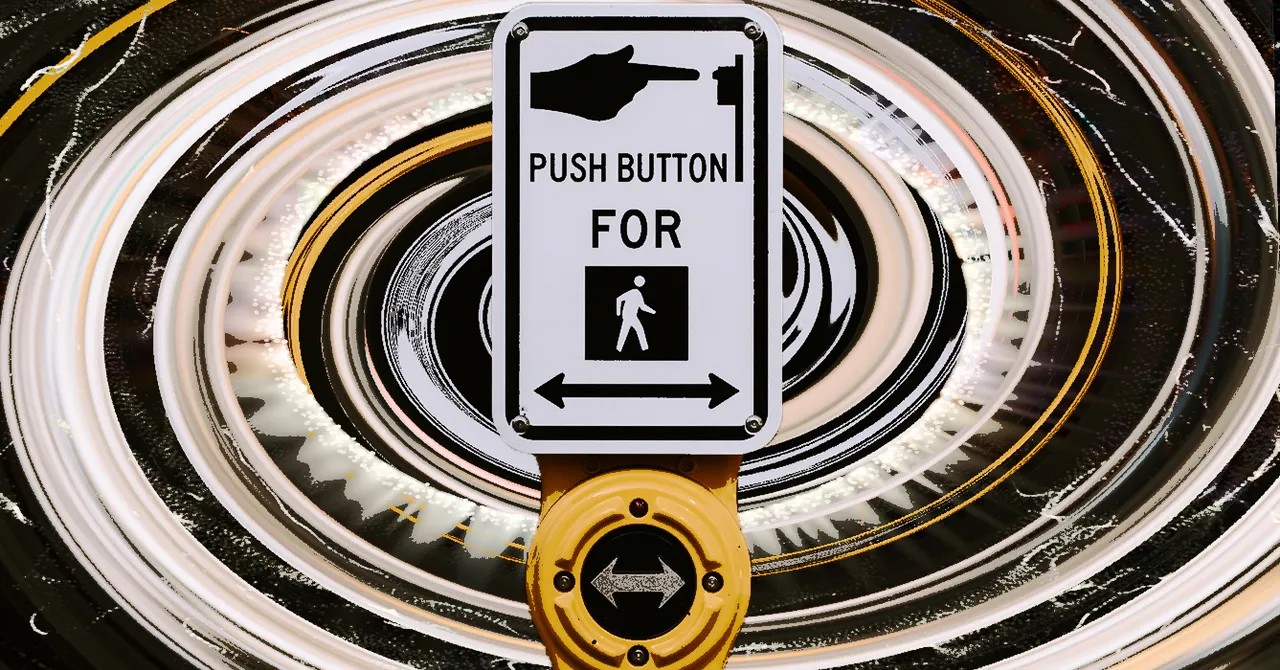
What began as a bizarre series of pranks in Silicon Valley has unmasked a systemic failure in how cities secure their most basic public technologies. Last April, hackers bypassed the security of crosswalk buttons at roughly 20 intersections, replacing standard pedestrian instructions with spoofed audio of tech billionaires.
While the content of the messages—ranging from fake Mark Zuckerberg monologues about AI to an altered Elon Musk discussing politics—may seem like a high-tech prank, the incident revealed a much more alarming reality: the digital infrastructure governing pedestrian safety is often protected by nothing more than a “1234” password.
A High-Tech Prank with Low-Tech Vulnerabilities
The attacks were not the result of sophisticated brute-force hacking, but rather the exploitation of widespread, predictable weaknesses. Many crosswalk buttons, specifically those manufactured by Polara Enterprises, utilize Bluetooth to allow cities to upload custom audio clips. These clips are intended to assist visually impaired pedestrians by providing directional cues.
However, the security surrounding this feature was found to be alarmingly thin:
– Default Passwords: Official manuals indicated that many models shipped with a factory default password of “1234.”
– Publicly Available Tools: The configuration process can be managed via a publicly accessible app.
– Human Error: Even when more complex passwords were available, installers often used simple, shared credentials that were rarely updated.
The culprits were able to wirelessly upload custom recordings, causing pedestrians to hear messages about “undermining democracy” or pleas not to “tax the rich.” Because the buttons do not track who uploads audio and surveillance footage provided little help, the police investigations in Silicon Valley have since gone cold.
The Gap Between Innovation and Security
This incident highlights a growing tension in urban development: as cities integrate more “smart” technology—such as AI-driven sensors and connected infrastructure—the speed of deployment often outpaces the rigor of cybersecurity.
The vulnerabilities exposed here are symptomatic of three broader trends:
- Contractual Negligence: Many municipalities, such as Redwood City, previously required vendors to use “reasonable diligence” but failed to mandate specific digital security protocols or password management in their contracts.
- Market Monopolies: In the case of Polara, the lack of intense competition may have allowed the manufacturer to prioritize reliability and sales over robust security engineering. Former employees noted that tight deadlines and small engineering teams left little room for long-term security planning.
- Fragmented Awareness: While the Silicon Valley hacks made headlines, the vulnerability remained unaddressed in other regions. For instance, Denver recently experienced similar tampering on newly installed buttons because the factory default passwords had not yet been changed.
Moving Toward Hardened Infrastructure
In the wake of these exploits, some cities and manufacturers are beginning to react. Seattle has moved to assign unique passwords to every button and established strict authorization lists for technicians. The manufacturer, now under the ownership of Synapse ITS, has introduced stronger password requirements and additional verification steps for audio uploads.
However, experts argue that a patchwork response is insufficient. Former Federal Highway Administration official Edward Fok suggests that cybersecurity must be “baked into” every contract between cities and technology suppliers from the outset.
“The security of these critical community assets is essential,” says Josh LittleSun, CTO of Synapse ITS.
Conclusion
The crosswalk hacking spree serves as a wake-up call that “smart cities” are only as safe as their weakest link. As public infrastructure becomes increasingly interconnected, the transition from physical tools to digital assets requires a fundamental shift in how governments manage vendor accountability and cybersecurity standards.