
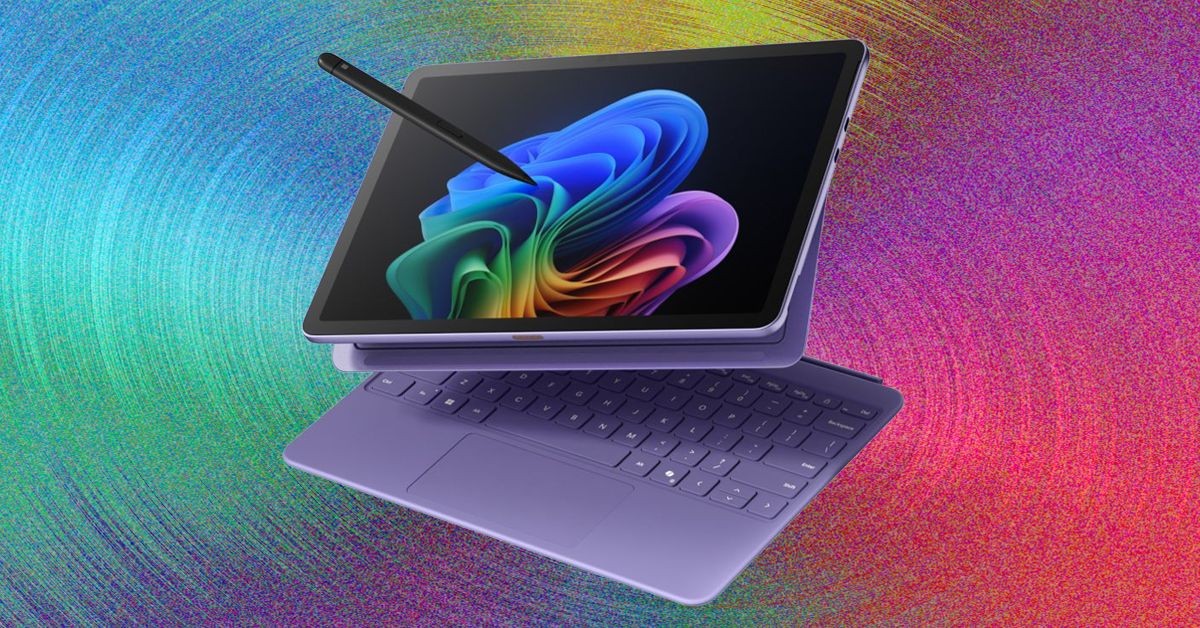
The “utopian dream” of computing is a single device that functions perfectly as both a high-powered laptop and a portable tablet. While technology has moved closer to this goal, a fundamental truth remains: no single device is equally excellent at both tasks.
Most 2-in-1s are forced to make a compromise, leaning toward either the productivity of a laptop or the portability of a tablet. However, for users who prioritize convenience and value, these hybrids offer a compelling way to consolidate their tech stack.
To find the right device, you must first decide which form factor suits your workflow: Detachable Tablets or Convertible Laptops.
Detachable Tablets: Portability First
Detachable devices prioritize the tablet experience. They feature a screen that can be completely removed from the keyboard, making them ideal for reading, drawing, or casual media consumption.
The Windows Powerhouses: Microsoft Surface
If you need a true laptop replacement that runs full desktop software, the Microsoft Surface Pro line remains the industry standard.
* Surface Pro (Latest Model): Thanks to the Qualcomm Snapdragon X Elite processor, recent models finally offer the battery life and performance required for professional work. With OLED display options, it is a premium powerhouse, though the cost increases significantly once you add the keyboard.
* Surface Pro 12: A smaller, more affordable 12-inch alternative. It maintains a premium feel and offers better portability without sacrificing the ability to use Windows effectively.
The App-Centric Choice: Apple iPad
While Windows is powerful, it can feel clunky on a touchscreen. This is where the iPad Air and iPad Pro excel.
* The Advantage: The iPad ecosystem is built for touch. With the Magic Keyboard, these tablets transform into highly capable productivity tools with better cursor support and windowing than ever before.
* The Trade-off: They are lighter and easier to hold as tablets, but they rely on iPadOS, which—while improving—is not quite a full desktop operating system.
The Niche Specialists
- Asus ROG Flow Z13: A rare breed of a gaming-focused detachable. Its unique design keeps heat away from your hands, making it a surprisingly functional hybrid for gamers.
- Lenovo Chromebook Duet Gen 9: At a much lower price point, this 11-inch device is perfect as a “companion” for light web browsing and video streaming rather than heavy work.
Convertible Laptops: Productivity First
Convertible laptops use a 360-degree hinge to flip the screen around. While they are much heavier and harder to use as pure tablets, they offer a more traditional, sturdy laptop experience.
The Premium Standard: Lenovo Yoga 9i
The Lenovo Yoga 9i is widely considered the gold standard for convertibles. It combines a high-end OLED screen with a clever design feature: a speaker built directly into the hinge, ensuring high-quality audio regardless of how you fold the device.
The Sustainable Choice: Framework Laptop 12
For users concerned with longevity and e-waste, the Framework Laptop 12 is a standout.
* Repairability: You can upgrade almost every component, including the CPU and motherboard.
* Value: It is highly accessible and serves as an excellent, versatile device for students or families.
The Experimental Frontier: Dual-Screen Hybrids
A new category of “preposterous but useful” devices is emerging, such as the Lenovo Yoga Book 9i. These devices feature two screens that can be used side-by-side or stacked, providing a multi-monitor setup that fits in a backpack. While they attract attention in public spaces, they offer unparalleled multitasking potential for mobile professionals.
Summary: Which should you choose?
Choose a Detachable if your priority is portability, touch-first apps, and using the device as a handheld tablet.
Choose a Convertible if you need a traditional keyboard experience and a more powerful, stable workstation that happens to have a touchscreen.