
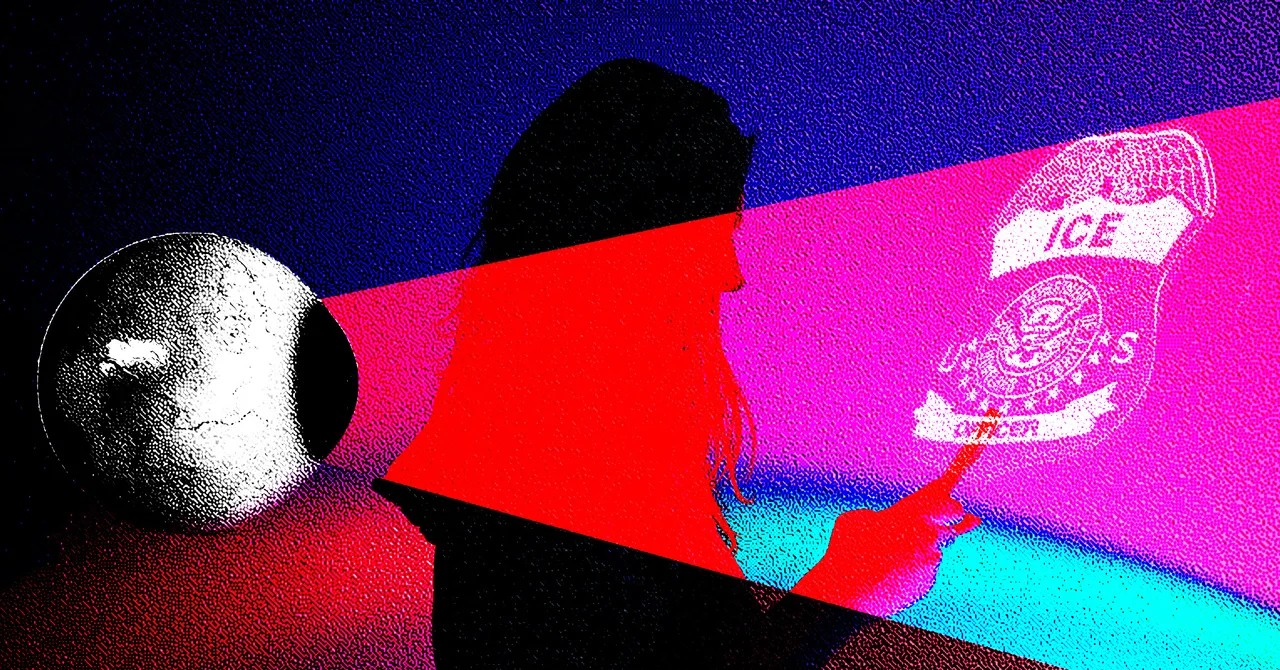
Voting was in progress. June primaries in Syracuse. The line moved, people waited. Then ICE agents showed up.
Not for arrests. Not for chaos. Just to see Paigelynne GONYEA. She was a poll worker there that day, just doing her job, until they pointed a finger at her phone. Specifically, an Instagram post from January. The claim? She was doxing an ICE agent.
Here’s what actually happened. She’d posted credit to the Minnesota Star Tribune for naming Jonathan Ross. That’s the guy who shot Renee Good during that heavy federal crackdown in Minneapolis last winter. Gonyea wanted his indictment. Simple as that. No addresses leaked. No threats shouted. Just a link and some outrage.
The agents handed her a warning notice right at the ballot box.
“It is unlawful to threaten to assault, kidnap, and/or murder federal officials or their immediate family.”
Sign it. Delete it. Disappear.
She didn’t sign. Why would she? Signing would mean admitting guilt to a crime she didn’t commit. My signature, she said later, is my innocence. She walked away without ink on the paper. ICE never responded when asked to explain what their agents were doing in a voting line.
But the real shock wasn’t the intimidation at the polls. It was who sent the letter. ICE’s Office of Professional Responsibility, or OPR.
OPR is the internal watchdog. They check the detention centers. They vet the new hires. They catch corrupt agents and leaky security protocols. On paper, they protect the agency from within. But now, court papers suggest, they are hunting civilians outside of it.
Did you see that number in an April filing?
One ICE official stated that between January 2022 and March 2023 alone, OPR looked into 131 cases of doxing or threats against its staff nationwide.
Are these all crimes? Probably not. Convicting someone for speech is hard. The ACLU says you need very limited circumstances to pull it off. The First Amendment shields critics, even angry ones, especially when they’re anonymous online. But ICE is digging.
We can only find one criminal conviction credited to OPR’s work. A guy in California. He pleaded guilty to harassing an ICE attorney and her mom. He used to live in her building. That harassment started in early 2024. Long before Trump returned to power.
So where do the other 130 cases go?
OPR isn’t just asking nicely for content removal. They’re serving subpoenas. Administrative ones, sent directly to tech companies, demanding names and addresses.
Lawyers fought back. One poster sued, arguing the subpoena violated free speech. The government folded. They withdrew it rather than take the fight to a judge.
WIRED tracked another withdrawn subpoena. Its ID number started with OPR-DC. Source says that tag belongs to this specific office. Ice declined to say how many tech companies received these demands.
There is a narrative being pushed hard by this administration. Trump officials claim ICE officers are under siege. They say threats have skyrocketed. Some cited a 1,000% increase in attacks. The Los Angeles Times ran the numbers last year and found that math suspect, to say the least.
Still, the definition of “doxing” is shifting. It used to mean publishing private addresses or phone numbers. Now agency officials imply it might include filming officers on duty. That is not doxing. That is journalism. Or just life in the public square. Experts know the difference. ICE seems to be blurring it.
The DHS even updated its privacy notice last year. It says ICE Intelligence systems now collect data on anyone making “credible threats.” They grab social media posts. They map your location data. It all feeds the database.
Todd Lyons, the former acting head of ICE, signed a memo in late March. The goal? Invest in new capabilities to handle “emerging threats.” Read: online harassers. They wouldn’t say what money or tech was actually bought with those funds.
Meanwhile, the watchdog sleeps on the real job.
An oversight group dug into the detention facility inspection reports. The numbers tell a story of decline. 2021 saw 192 reports. 2022 saw 160. In 2023? Just 102. Fewer inspections. More focus on keyboards than cells.
Lyons didn’t hide the work entirely. When testifying before Congress to justify the budget, he highlighted inspections, vetting, and program oversight. He completely omitted the online speech police detail.
Adam Steinbaugh from FIRE put it plainly.
“I can’t imagine him going to Congress saying ‘Yeah, we’re the speech police, please fund that.’ It’s not popular.”
Transparency matters. If you won’t say it to the public, you sure won’t whisper it to the appropriators committee. Stonebaugh points out that delays in records requests make it hard for normal citizens to see what’s happening. Lawmakers need to look under the hood themselves.
Gonyea isn’t going quiet. She is preparing for court.
This isn’t about her anymore, she says. It’s about the rest of us. The right to speak. To criticize. To exist online without fear of a badge appearing at our voting booth.
She plans to fight it.
The question remains: what else is OPR watching? And how many more warning notices are waiting to be handed out at places we assume are safe?
Are you inside looking out? Contact mvarner.01 on Signal securely.