
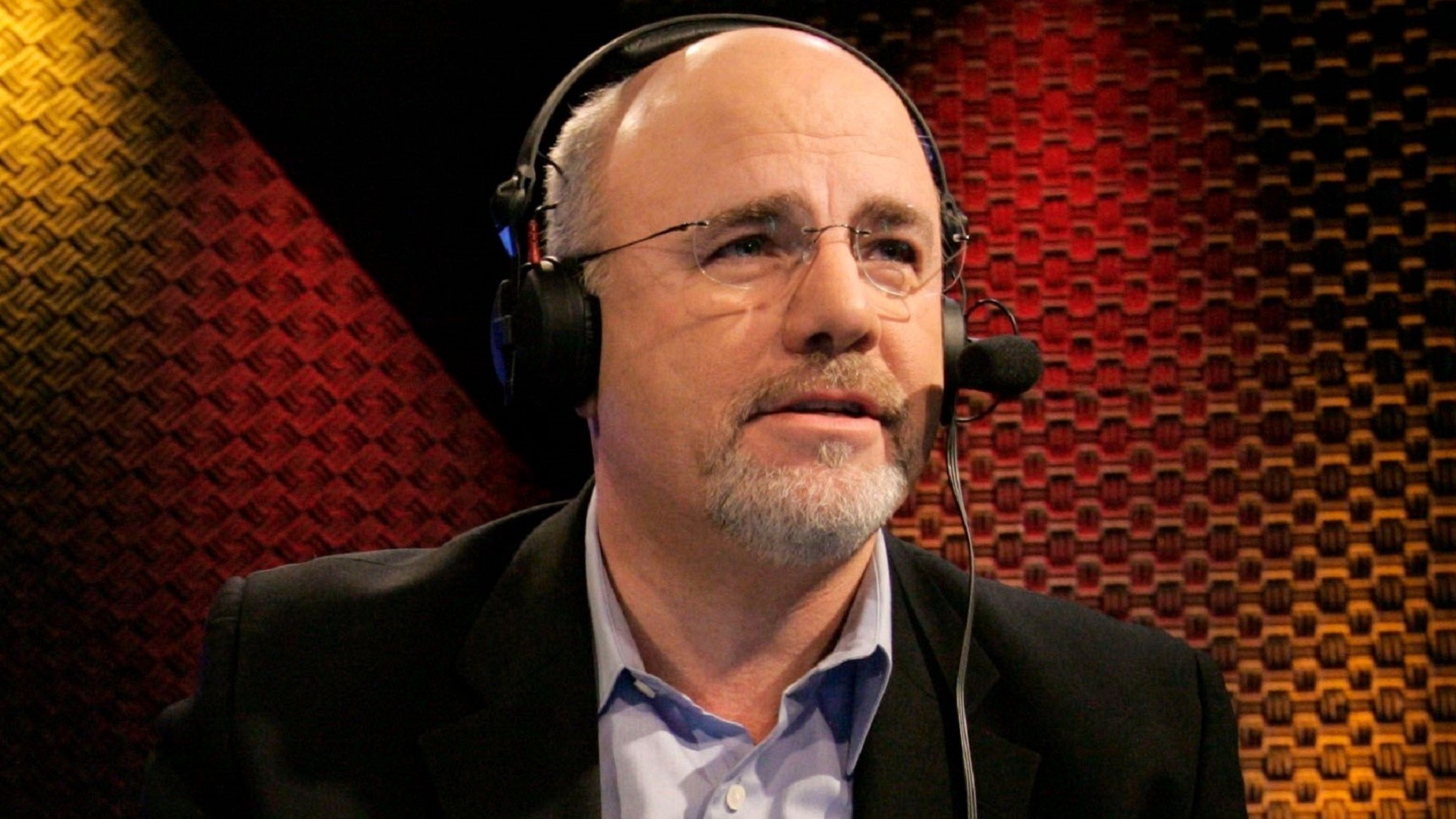
Dave Ramsey is a giant in the finance world. He yells a lot. But here’s the twist—he actually advises against paying off your mortgage early in some cases. That sounds wrong. It contradicts the “baby steps” gospel. Yet, the data says it might be smart.
The Contradiction
Ramsey loves debt-free living. He’s famous for it. But he also says this:
“Paying off your mortgage early… will rev up your wealth building.”
He says it’s doable. People do it all the time. But then he pivots. Hard. He warns that rushing to kill that mortgage debt can leave you vulnerable. Life happens. You get sick. You lose your job. The market tanks. If every dollar is tied up in bricks and mortar, you’re exposed.
Keeping cash on hand? Not bad. Draining savings to hit a psychological milestone? Potentially dangerous.
Downsize Before You Dive In
Can you pay the principal without hurting your future? Probably not.
Ramsey has hard numbers for you. No loans longer than 15 years. Payments must stay under 25% of take-home pay. Anything else is reckless.
If your current loan doesn’t fit those boxes, stop throwing extra money at it. Sell.
Find a cheaper home. One beneath your means. Use the equity gap to boost your cash position or clear a smaller loan faster. It’s brutal but logical.
Why VA Loans Are a Trap
Ramsey Solutions hates VA loans. They look attractive on the surface. No down payment? Lower rates? Looks like a deal. It’s a trap.
- Vulnerability: No skin in the game means you can owe more than the house is worth in a weak market. You’re stuck.
- The Fee: The funding fee ranges from 1.4% to 3.6%. On a $300k loan, that’s up to $10,800 in added cost.
- The Math: Add that to origination fees and interest over 30 years. It eats your profits.
Conventional 30-year loans aren’t much better. They just cost more interest in the end. Stick to the 15-year conventional route if you want safety.
The Checklist
Don’t buy until you say “yes” to everything here. No exceptions.
- Are you debt-free with 3-6 months of expenses saved?
- Can you drop 10-20% for down payment?
- Can you pay closing and moving costs in cash?
- Is the payment under 25% of your net salary?
- Can you afford a 15-year rate?
- Can you handle utilities and repairs on top of it?
Let Money Make Money
Compound interest is a monster. Ramsey quotes a saying: “He who understands it, earns它. He who doesn’t pays it.” (Roughly translated from his usual phrasing).
Think about it. Why give money to a bank to pay down low-interest mortgage debt when you could park that same money in the stock market? Historically, equities outpace mortgage interest rates. By keeping the loan, you leverage other assets to work harder for you.
Stay Liquid
Cash is king. Literally.
Tying wealth to home equity is rigid. Liquidity is flexible. Emergencies demand cash, not a line of equity you have to tap into with fees and red tape. A strong emergency fund lets you breathe when the economy sneezes.
Don’t Forget Taxes and Risk
Mortgage interest is sometimes deductible. If you itemize, that payment costs you less than the label says. Consult a tax pro. They might tell you the math favors holding the debt.
Plus, diversification isn’t just for stocks. Putting all your financial safety net into one house is bad risk management. The housing market can crash. Your job might disappear. You need buffers.
The Real Cost
It’s about opportunity cost.
When you choose to pay extra on your house, you aren’t investing that money elsewhere. You might miss a bull market run. You might lose years of growth potential for a feeling of satisfaction. Is that satisfaction worth thousands in lost returns? Maybe. Maybe not.
Ramsey pushes a holistic view. Wealth isn’t just absence of debt. It’s the ability to handle shocks while building assets. Paying off a house early feels great. Staying poor to do so? Less great.
Consider your risk tolerance. Check the math. Then decide if being house-poor but debt-free is actually your dream—or just someone else’s advice.