
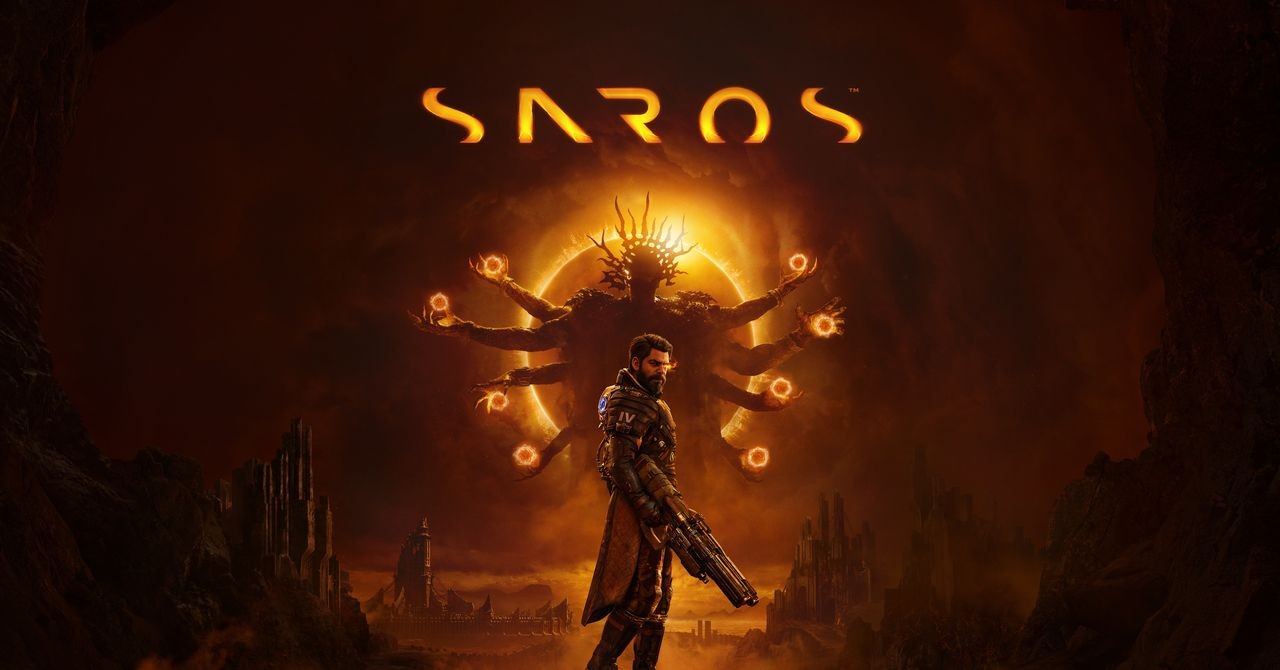
In the opening moments of Saros, the narrative doesn’t just appear on the screen—it vibrates into your hands. As letters type themselves across the display to establish the game’s world, each character triggers a sharp, tactile “click” through the controller. This isn’t just a visual effect; it is a deliberate attempt to make the player feel the story.
Developed by Housemarque, the Finnish studio behind the acclaimed Returnal, Saros is positioning itself as a showcase for the PlayStation 5’s unique hardware capabilities, specifically the DualSense controller.
Beyond Simple Vibration: The DualSense Advantage
While traditional controllers rely on basic rumble, the DualSense utilizes two sophisticated technologies to deepen immersion:
– Haptic Feedback: Precise vibrations that can mimic specific textures, such as the patter of rain or the mechanical click of typing.
– Adaptive Triggers: Motors that add physical resistance to the L2 and R2 buttons, allowing players to feel the tension of a bowstring or the heavy pull of a firearm.
In Saros, a dark sci-fi roguelike, these features are used both for action and atmosphere. During intense combat, the controller replicates the impact of explosives and the reverberation of bullets hitting a shield. However, the studio is also utilizing haptics for subtle emotional storytelling. During cinematic sequences, custom-designed pulses can convey a character’s tension or anger, creating a visceral connection that goes beyond sight and sound.
The Developer’s Responsibility: Setting a Standard
For Housemarque, utilizing these features is about more than just “cool” effects; it is about pushing the medium forward. Gregory Louden, the creative director at Housemarque, noted that during the development of Returnal, the team felt a sense of responsibility to demonstrate what the PS5 hardware could actually achieve.
“We’re doing it for our players, but also doing it for the medium to try to inspire others.” — Gregory Louden, Creative Director
By moving away from the “easy” method of simply syncing vibrations to audio, the team at Housemarque is designing custom haptic experiences. Associate Design Director Matti Häkli emphasizes that if developers don’t intentionally utilize these tools, the technology risks becoming a forgotten gimmick.
The Industry Challenge: Hardware vs. Accessibility
Despite the technical prowess on display, a significant hurdle remains for the widespread adoption of advanced haptics: platform fragmentation.
Most major games are developed for multiple platforms (such as PC and Xbox), where the specialized DualSense features are not available. This creates a dilemma for developers:
1. The Cost of Development: Building deep, custom haptic layers requires significant time and resources.
2. The Reach Problem: If a developer builds a game around features that only a fraction of the player base can experience, the investment may not be justifiable.
3. Hardware Limitations: Many players use third-party controllers that lack the sophisticated actuators found in Sony’s official hardware.
Industry analysts, such as Anshel Sag of Moor Insights and Strategy, suggest that while these features are an improvement, they aren’t yet “compelling” enough to drive mass consumer behavior. This creates a cycle where Sony’s first-party titles (like Astro Bot or Horizon: Forbidden West ) lead the way, but the broader industry remains hesitant to commit fully.
Conclusion
Saros represents a high-water mark for sensory immersion, proving that haptics can serve both gameplay and emotional storytelling. However, the future of these features depends on whether the industry can move past “gimmick” territory and find a way to make advanced tactile feedback a standard, rather than an exception.