The Irony of Competition
SpaceX just filed for an IPO. Big news. The documents are public now, and they reveal a detail that shouldn’t come as a shock if you watch the AI circus, yet it does anyway.
They’re handing GPUs to a rival.
Anthropic, Musk’s ideological enemy in the chatbot wars, is paying SpaceX $15 billion a year for compute time. Fifteen. Billion.
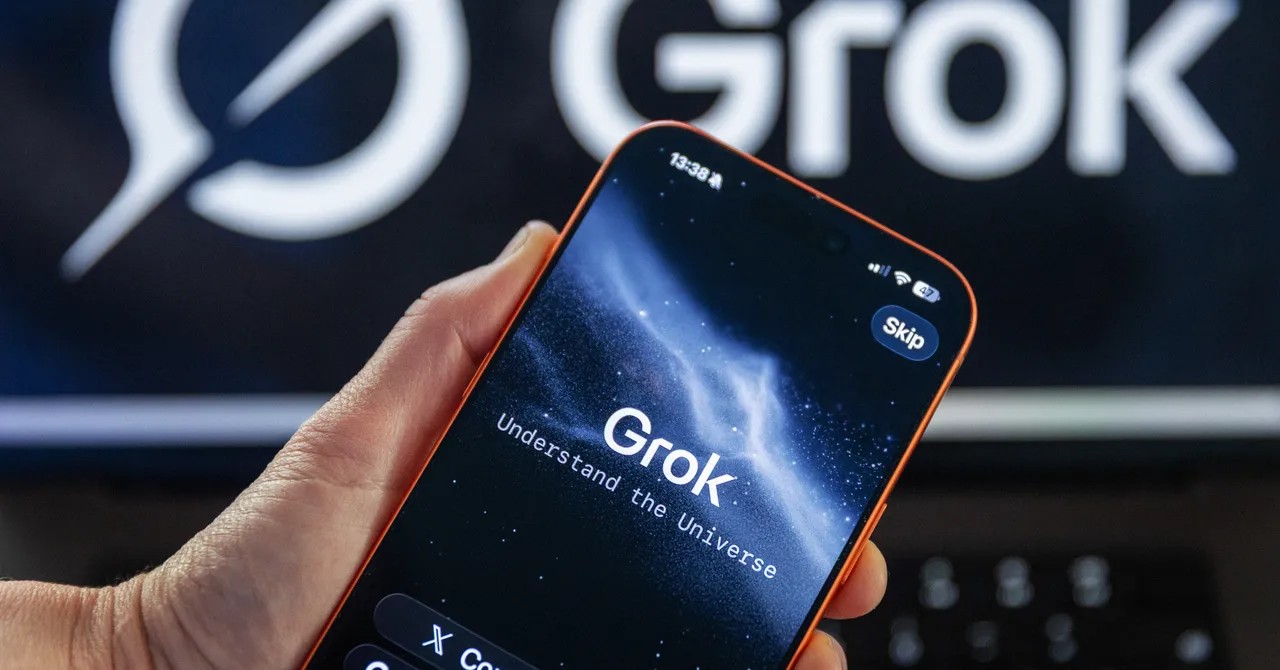
Why? Because GPU capacity is the new oil, and Anthropic needs more of it. It’s a messy deal, but money doesn’t care about Twitter arguments. The filing explicitly lists Grok’s “Spicy” mode as a risk, a funny little disclaimer buried in the paperwork, acknowledging that letting your AI model be edgy might actually be a legal liability.
Money talks, even when the speakers are trying to destroy each other.
The Smog of Computation
But those GPUs don’t just hum. They burn.
SpaceX is spending $2.8 billion to buy gas turbines for its data centers. Real, carbon-emitting industrial turbines. Activists are screaming, obviously. Labor unions are asking tough questions. A major retirement fund wants answers, too, because what’s coming next could be the largest stock market debut in history.
Do we really need more emissions to train a model that can write slightly rude sonnets?
The investment signals something bigger: Elon Musk isn’t just playing the cloud computing game anymore. He’s trying to break the dam. But the cost, both environmental and financial, is steep. The “spicy” AI gets its power from the same dirty grid that cooks your dinner, only exponentially worse.
The Trial by Fire
While the lawyers draft prospectuses, the courts are opening. Musk v. OpenAI has kicked off in Oakland, and the tension is palpable. Musk is actively boosting the New Yorker ’s exposé on Sam Altman, sharing it like it’s gospel, even though Altman is the plaintiff he’s suing. The psychological warfare is dense, confusing, and utterly entertaining.
Then there’s the admission. Under oath, Musk basically said, yeah, xAI probably used OpenAI’s models to train Grok. His defense? It’s standard industry practice. Everyone does it. Just don’t tell the public it feels like cheating.
If everyone lies about training data, is it even a lie anymore?
The Microsoft Dilemma
The trial evidence also unearthed some 2018 Microsoft memos. Turns out, their executives didn’t exactly believe in OpenAI then. They were skeptical, cautious. But they were really worried about Amazon. Pushing OpenAI away meant Amazon would catch it. So they held on tight, out of fear more than faith. It wasn’t love; it was logistics.
Human Costs
Meanwhile, the human element is fraying.
At Meta, profits hit record highs. Morale hit record lows. The company is cutting another 10% of staff, and insiders say “everyone is unhappy.” It’s not a surprise, it’s a pattern.
In Ireland, 700 contractors training AI data are at risk of the axe. It’s described as undignified. It feels like that. They build the brains; then the company gets rid of them.
Then there’s Arizona. Three women sued a group of men who allegedly teach online courses on how to create AI porn influencers. Using the victims’ faces, naturally. Profiting off non-consensual imagery. It’s dark, it’s easy to access, and it highlights the absolute vacuum of guardrails in this tech.
No Neat Bow
Ilya Sutskever testified, too. He still stands by his role in kicking Altman out of OpenAI. His argument? He didn’t want the company destroyed. He wanted to save it from itself. A fascinating memory hole for the former chief scientist to hide behind.
The AI race is getting weird. Anthropic sleeps with SpaceX’s rivals. Musk admits to copying. Microsoft acts on paranoia. Meta fires everyone while making billions.
Who is actually in control here? Or are we just along for the ride while the servers hum?
The lights are on. No one’s home. Just algorithms.