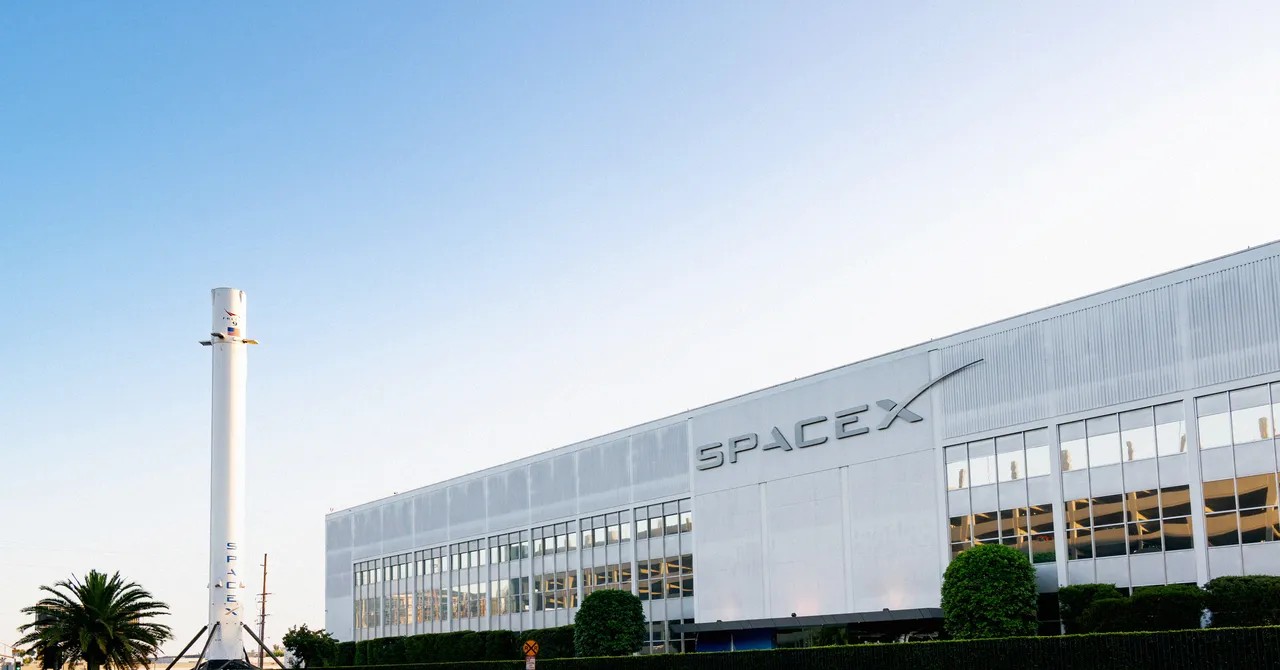
SpaceX isn’t just building rockets. Or rather, that’s only half the story anymore. A fresh regulatory filing drops a number so big it stops you cold. Anthropic is paying $15 billion a year for computing power. That’s $1.25 billion a month. Straight out of the AI lab’s pocket. Into Elon Musk’s. Through May 2029.
The deal was announced earlier this month but the details stayed buried. Not anymore.
“Access to compute has become one of the defifning bottlenecks.”
It’s true. Anthropic needs the raw muscle for its coding tools. And the revenue numbers are starting to back it up. The Wall Street Journal projects Q2 2026 revenue exceeding $10 billion for the company. That kind of money burns through infrastructure fast. So they’re renting space at Colossus. And Colossus II.
These aren’t small servers. They are two data centers straddling Tennessee. And Mississippi. One gigawatt of power. Built for xAI. The Grok engine. Musk built all that compute capacity. Then he didn’t use it all.
So he rents the spare to the competition.
SpaceX says they can handle both. Their own models. Plus Anthropic’s needs. “Sufficient capacity” is the phrase in the filing. They call it a “dual monetization strategy.” Sounds efficient. Until you realize Anthropic is handing a rival billions just to exist.
Anthropic confirmed it to WIRED. SpaceX didn’t say much. Except that they are talking to other companies. The floodgates are open. Or at least the gates for the data center are.
But there is more in that filing. It’s an IPO document. S-1. Confidential. Until it wasn’t. SpaceX wants $1.75 trillion in value. They hope to raise $75 billion. That makes it the biggest public offering in history. Nasdaq ticker: SPCX. Maybe June 12? Maybe sooner.
The numbers behind the IPO are messy. Revenue looks okay. Nearly $4.7 billion this year’s first quarter. But they lost almost $4.3 million in that same span. Last year? $18.7 billion revenue. But a $4.9 billion hole. Spending on rockets. Spending on AI. Burning cash like it’s nothing.
Who holds the pen when the ink runs out? Elon. Always Elon.
The filing confirms what critics suspected. Only Musk can fire Musk. He keeps the board tight. His allies hold the voting weight. Activists can try. Texas law will shield them. It is designed to fend off takeovers. And board removal. It creates a fortress around the CEO.
Investors should pause. Teachers’ unions think so. AI safety researchers do too. Environmental groups near the facilities are worried. They wrote a letter. Called the governance “novel and extreme.” They called it the most management-favorable structure in U.S. market history at this scale.
Is it worth the risk?
Retirement funds for California and New York say the governance lacks baseline protections. They acknowledge SpaceX is essential for national security. Essential for commercial space. But long-term capital needs safeguards. Not a one-person kingdom.
There is another issue. The public slice of the offering. About 30% available to regular investors. That sounds generous. Until it turns the stock into a meme coin. Prices swinging wild. One way. Then another. New market rules might help stabilize it later. Funds will have to buy it. But early on? Volatility.
The leaks never stop. Even from secret filings. The Information reported Starlink made $11.4 billion. Debt climbed to $23 billion. Reuters says Starship has cost over $15 billion to develop. The rocket launches on Thursday. Let’s hope it stays on the pad.
Other whispers from the filing mention xAI facing bans for generating bad images. Plans to manufacture their own GPUs. And space-based data centers. Uncertainty there. A lot of uncertainty.
So you have it. A rocket company renting computers to an AI startup. While building an IPO fortress that locks one man in control.
What happens next? We will see. The markets never really know.