Size exposes flaws. It has to.
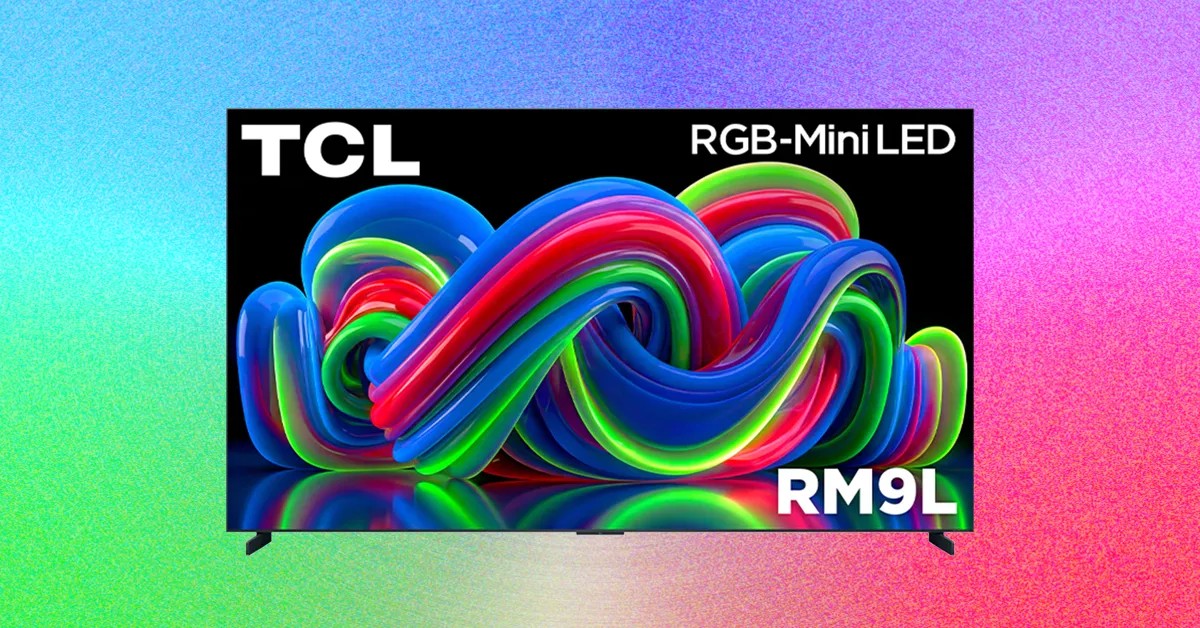
When you blow an image up to the size of a wall, every speck of dust in the panel’s DNA gets magnified. This is the burden of new tech. The TCL RM9L RGB-Mini LED is the latest test case. It’s bright. It’s bold. It’s also fussy.
I spent a lot of time staring at the 85-inch model. The tag is nearly $8,000, but discounts usually shave off $2,000 or so. TCL doesn’t bother with smaller sizes for this line. They skip the 65-inch. The 75-inch? Gone. It’s go big or go home for this series. You also get a 98-inch and a monster 115-inch for people with money to burn and caverns for living rooms.
The colors? Lush. The brightness? Phenomenal. But the streaming apps felt muddy at times. Blaming the hardware is easy. It’s unfair, though. Play a 4K disc. Use Fandango. The picture cleans up. Even so. At this price tag, sitting at the same table as Samsung and LG flagships? I expected perfection. I didn’t get it.
Here’s the thing about Mini RGB. It’s brand new. Barely out of the gate. These TVs use backlights for red, blue, and green channels behind an LCD layer. OLED pixels control their own light. No backlight needed.
On the 85-inch panel, the blacks weren’t quite as deep as OLED right out of the box. Contrast? Good, but not magic. I tweaked settings. Lots of them. Finally, RGB and OLED felt roughly equal. The catch? You can buy that same 85-inch OLED for about $6,300. Or less, on a sale. So why spend more?
That’s the hard sell.
The Setup Nightmare
I had to choose a battlefield. Your room dictates your screen. Too big. You’re staring into a lightbulb. Too small. You squint to read the captions. I picked the upstairs family room.
The stand? Nowhere near big enough.
I used a folding table. It wasn’t glamorous. Eventually, I scored an oversized IKEA stand. The legs on the TV slid into place easily. Screwed them tight. Simple enough. Moving it? That’s a different story.
114 pounds. Thin as a phone at 1.4 inches. Trying to get a grip on the edge is impossible alone. I recruited two friends. We moved it like we were handling live glass.
Connections are robust. Four HDMI 2.1 ports each supporting 144Hz. One is dedicated to eARC audio. I plugged in an Xbox Series X, a Google TV dongle, and Klipsch speakers. Two USBs. Ethernet. Optical audio. It’s wired with Wi-Fi 6 too. No lag there.
The remote is decent. Brightness controls are on the right. A brilliant touch. Thumb finds them without looking. Tiny notches mark the volume rocker. The Home button isn’t centered. Annoying. But it’s backlit. Thank God for that.
Reality Checks
I start testing with Awake on Netflix. And The Creator on Fandango at Home.
Why? Darkness. These movies have scenes so dim your eyes water. In Awake, there’s a bike scene at predawn. Gina Rodriguez passes a guy in blue. On this TCL. It was soup. Gray sludge. Even some OLED panels look washed out there. Only after switching to “Vivid” picture mode did the image clarify. Mini RGB is temperamental. It demands your input.
The Creator by the ocean lacked punch. Gray water. Muddy sands. Even Dolby Vision IQ couldn’t save it from looking flat.
Skin tones? Where the TCL stumbled. I put it next to the LG Micro RGB Evo. The LG won. Clear winner. More nuance. More variation. The TCL looked closer to midrange sets like the Sony Bravia 7 or Hisense UR9. Not bad. Just not special for the cost.
Demo reels are cruel. Snowy mountain mist? A Leica projector showed distinct cloud layers. The TCL struggled. Winter grass near a fence? Less noticeable than on the Hisense. A scene with buffalo? Roughly tied. But color? LG ate alive on this one. Yellow flowers. Red cactus. Purple butterflies. The TCL looked muted.
The screen size betrays you. In 4K, yes. But you can still see blotches. Jagged lines. Artifacts that don’t appear on smaller sets. I found the “Intelligent” picture mode helped smooth things out. A trick worth knowing.
The Last Duel highlighted the contrast issue. A throne room scene got blotchy again. I adjusted color temp. Fixed it. Probably. Someone in a larger room might never notice these tiny flaws. They’re right there. Watching closely.
But then came Tron: Ares. Disney+ delivers deep blacks here. The RM9L handled it perfectly. Matched the LG. Matched the Hisense. The character’s shadowing on the helmet was ultra-realistic. Immersive. You forgot it was a TV.
Cartoons exploded. Hoppers on Disney+ shows individual strands of fur. Colors saturated to the point of noise. It’s intense. Almost too much. Project Hail Mary did the same with planet rings. Practical effects? Incredible. Realistic texture.
Sports needed tuning. World Cup footage. The default Sports mode was neon overload. Saturated reds on shirts that looked radioactive. I dialed it back. Motion blur? Surprisingly low. Good. CNN anchors in red shirts were glaring at first. Tweak it. It works.
Streaming from iPhone? No glitches. Fast forward. Pause. Play Dune. Seamless.
Games and Art
Gaming ports don’t need thought. All four are 144Hz. Low latency.
Crimson Desert. I’ve wasted too many hours in this game. Game mode on. Easy to find. Crisp. Smooth. Here is where TCL shines over the competition. The LG had issues with VRR. Its 330Hz “Motion Booster” failed. On the RM9L. I enabled an advanced “High Refresh Rate” toggle. And there it was. 330Hz. Perfect.
007: First Light on PC and Xbox. Blue greens of the ocean looked clear. The size makes you feel like Bond in a boat. Really feel it. Forza Horizon 6. PC version looked better. Sharper. More responsive. But console play? Solid.
This isn’t an art frame. No matte finish. No wood bezels to swap out. It’s a TV. But I hung a shipwreck print. Glorious at 85 inches. Lacks texture detail sure. But it dims in screensaver mode. Photos look fine.
So what’s the verdict?
The Mini RGB tech is a sports car. You can’t just drive it to the grocery store and expect thrill. Default modes are boring. Dull. But you tune it. You tweak. You find the right mode. Suddenly. It’s fast. Sharp. Incredible.
The TCL RM9L is one of the best I’ve seen. Beats the Sony. Matches the Hisense on vibrancy. Sits just below the LG Micro RGB Evo and Samsung R95H.
But the price.
For $6,000, you get OLED. Deeper blacks. Easier life. If Mini RGB’s goal is making large screens affordable. It’s failing right now.
Maybe later. For now. Just tweak your settings. And live with the blotches.