
Saving money is more than just a discipline. It’s all about the data. You can’t fix what you don’t measure. However, most people skip the most basic steps. They think they know where the money is going. It rarely corresponds to reality.
Before you try to cut back, you need to see the leak. This isn’t about judgment. It’s all about visibility.
Record every expense
Start by writing down all the money you spend. It’s not just about bulk purchases. The coffee. The subscription you forgot to cancel. Impulse purchase at checkout.
If you don’t follow it, you can’t control it.
Use the app. Use your notebook. Notes on a mobile phone. The method doesn’t matter. The consistency does.
Track for at least 30 days. The longer the better. You need a full cycle to see patterns. Monthly bills. Weekly groceries. Sporadic treats.
Why this works
You find waste. If you drink a $5 latte a day, that’s $150 a month. That’s $1,800 a year. Is it worth it? You decide. But now you have a choice.
You can also see where your money is “really” being spent. It’s not what you think. Savings are hidden in the gap between perception and reality.
Compromise
Tracking takes time. It’s boring. You might feel embarrassed by what you see. This is normal.
But the rewards are clear. Once you know the numbers, you can make a plan. You can adjust. You can save.
Without this step, the savings strategy becomes guesswork. And guesses don’t build wealth.
2. Determine Your Priorities
You noted your income and expenses at the beginning. Now it’s time to sort it out. You tracked your expenses. You have identified unnecessary exits. You have prepared a savings plan. So, according to this plan, which bill should be paid first? On which expenditure can concessions be made?
This is where most people get stuck. Simply making the list long is not enough. You need to prioritize.
Separate urgent needs from wants
Basic survival items come first. Your rent. Electricity and water bills. Food. Insurance premium. If these are not paid, your life will be turned upside down. What comes after is luxury or comfort elements. Going to dinner. Buying a new outfit. Subscriptions.
When making this distinction, you can use the concept of engagement ratio. Your fixed expenses should not exceed 50% of monthly income. 20% for savings and investment. The remaining 30% is for your personal expense items. This rule may be flexible, but it sets the framework.
Why should it be so strict? Because you need a hierarchy of priorities to remain resilient in the face of uncertainty. You already know which one you can cut when an emergency arises. Instead of getting stressed at the decision moment. You are already implementing a planned action.
When deciding which expense to cut first, ask: “Will my life stop if I don’t make this expense?” If you get the answer no. You can postpone it or delete it permanently.

If your priorities are not clear, the budget turns into chaos. The claim that everything is important actually means that nothing is important. Be realistic.
4. Build an Emergency Fund
Life doesn’t go as you plan. The car’s tire bursts. Your tooth hurts. You will quit your job. Such unexpected expenses are inevitable in life.
Many people load their credit cards in these situations. Or worse, takes out a high-interest personal loan. This is the fastest way to fall into debt.
The solution is simple but difficult to implement: Emergency Fund.
Why is it necessary?
This fund acts as a buffer against your life’s unwanted surprises. It allows you to continue paying bills if you become unemployed. You won’t be inundated with loan interest when an unexpected medical expense arises.
How Much Should Be Saved?
Most financial experts recommend 3 to 6 months cost of living.
- 3 months: This may be enough if you have a stable job and your industry is safe.
- 6 months or more: A safer haven for freelancers, entrepreneurs, or those whose income fluctuates.
The way to calculate this fund is simple. Add up your monthly fixed expenses (rent, bills, groceries, transportation). Then multiply this number by 3 and 6. Here’s your goal.
Where to Put it?
An emergency fund is not a place for risk-taking. You should not keep your money in volatile assets such as stock markets or cryptocurrencies. When you suddenly need this money, you have to grab it when the market drops.
The features that can achieve this are:
* Liquidity: You must have immediate access to money.
* Security: It is essential to protect your capital.
* Return: Although there is no full protection against inflation, there should not be zero return either.
Instruments that meet these criteria are typically high-interest savings accounts or short-term government bonds. Keeping your money here creates a safety net that you can access regularly each month.
How to Start?
At first, the goal may seem scary. If your expenses for 6 months are 30 thousand liras, it is difficult to save a thousand liras a month.
Start small. Money accumulated regularly, even if it is 100 lira per month, grows over time. A portion of your salary with automatic instruction

4. Reduce Your Bills
The gap left when you cut unnecessary expenses is an ideal time to review invoice items. Let’s say you cancel one of your ongoing subscriptions. This step directly affects the amount of money flowing from the till. Staying away from luxury shopping also has the same effect. But bills? These sometimes increase automatically.
Companies secretly raise prices. Conditions change. Without your consent. This is known as “price creep”. If you get an annual internet or gym membership. You may have gotten a good deal for the first year. In the second year, the company introduces a new pricing table. Quietly. You don’t notice until the bill arrives.
This is where you need to step in.
Don’t ignore every bill when it comes. Read it line by line. How much do you pay for which service? How much is the “technical support fee” on your internet bill? Are the penalties for exceeding the data limit on your phone package reasonable?
Compare. Do competing companies offer more affordable prices? Is a similar service offered in the market at a lower price? Even making a single search can reduce your monthly fixed expenses by 10% to 20%.
Also, talk to your current provider. “The competitor is cheaper, what can you do?” ask. They usually give discounts to protect their minutes. It’s like a loyalty reward. But if you don’t ask for it, you won’t get it.
Some invoices are flexible. Reducing your internet speed may reduce the bill. Working out at home instead of at the gym makes the subscription fee unnecessary. This requires a small change in your lifestyle. But it makes a great contribution to your budget.
The critical point is that the amounts appear small. A $50 monthly subscription is worth $600 annually. This money could be invested. or it could be part of your emergency fund. Plugging small leaks is like filling a large well.
Where are you making mistakes? Not keeping track of bill payment dates. Not benefiting from early payment discounts. Or not preventing automatic payment from switching to a more expensive package that you don’t actually need.
This process requires discipline. It should become a recurring routine every month. Because saving takes more time than digging. But the result is taking control of your cash flow.

Those small purchases that go unnoticed in our daily lives slowly eat away at the monthly budget. When it comes to unnecessary bills, the first thing that comes to mind may still be a print newspaper subscription or magazines you don’t use. So, how much are these traditional publications worth in the digital age?
Taking a break from paid events, activities, or even services purchased “just in case” makes a big difference in your wallet. This is not just about saving money, it is about gaining conscious spending habits.
3. Don’t Use Credit Cards
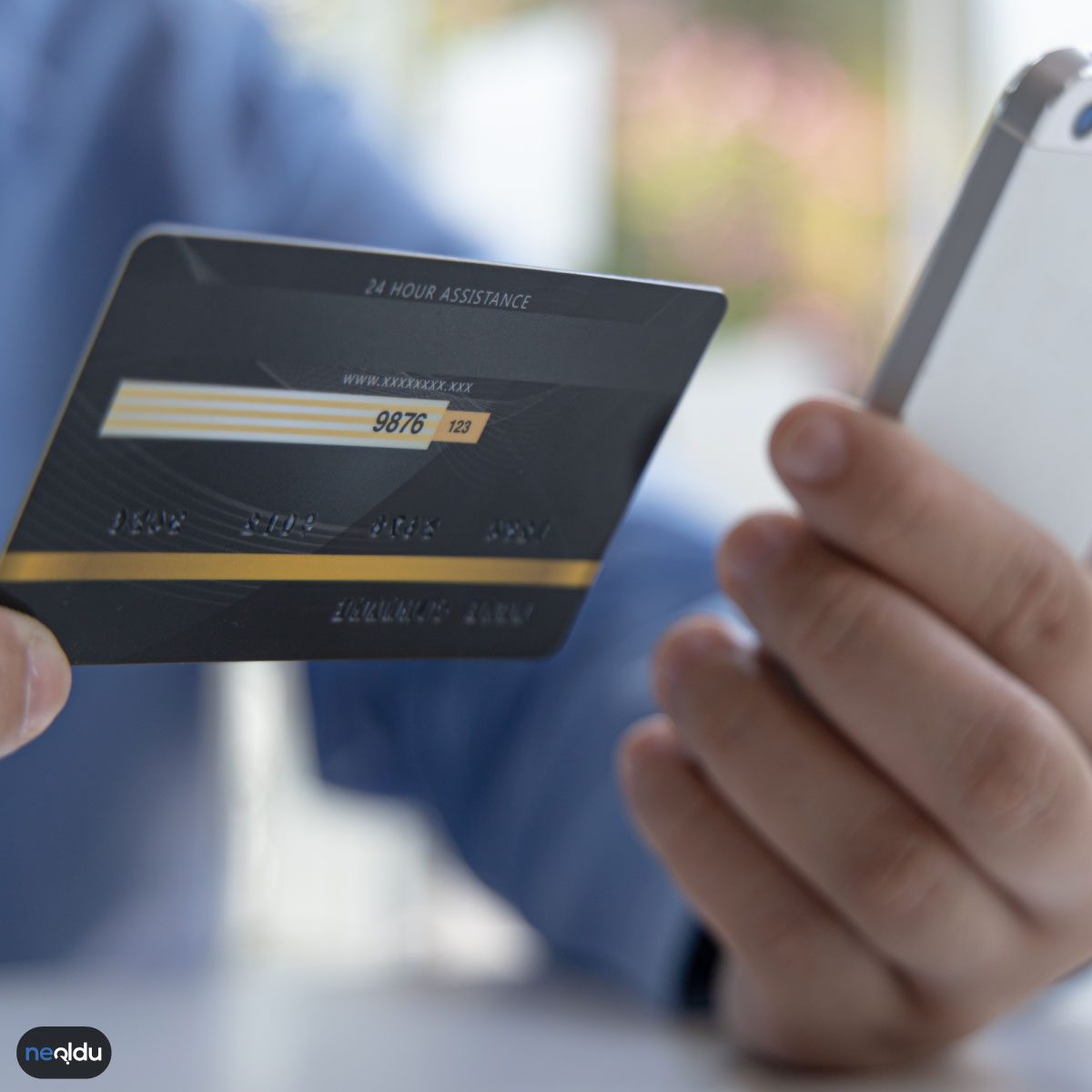
While credit cards may seem like an indispensable part of modern financial life, they can be your worst enemy if you have a savings goal.
Why? Because a credit card disconnects your purchasing power from your actual balance. Paying by card creates the illusion in your brain that “the money hasn’t come out yet.” This psychological distance pushes you to unnecessary expenses.
- Off-budget spending: When you spend with cash or debit card, you stop as your balance decreases. With a credit card, you don’t have this sense of limit.
- Interest trap: Every month you do not pay your card in full, you will face high interest rates. These interests eat away at the money you have saved.
- Discount fallacy: Most discount campaigns are actually meant to encourage spending. Real savings isn’t about buying what you don’t need.
“Credit card is not a payment instrument, but a borrowing instrument.”
Alternative Payment Methods
- Using Cash: Try to pay for your daily expenses with cash. Visible cash loss attracts more psychological attention.
- Debit Card Limit: Instead of a credit card, use a debit card that you can spend up to the balance. This creates an “expendable limit.”
- Prepaid Cards: Prepaid cards, which work with a limited balance, are an effective tool for spending control.
Result
Saving is not just about spending less, it is about spending more consciously. Canceling unnecessary subscriptions, moving away from credit cards, and adopting cash/hybrid payment methods lays the foundation for your long-term financial freedom.
6. Go to Shopping Malls Less
One of the biggest pitfalls of a credit card is that it not only changes the payment method, but also distorts your behavior. When you take out your card you feel like you have no money. This psychological distance makes it easier to stay within your budget.
Shopping malls are the places that know this feeling best. The lighting, the music, the wide corridors of the airport—it’s all designed to keep you there longer and spend more.
You don’t have to stop here.
The Cost of Running from Store to Store
Spending time in shopping malls can be a hobby. However, it is a risk factor for your pocket. Each store entry may create a new product, a new discount, or a new need.
- Visible costs: Clothing, accessories, electronics.
- Invisible costs: Time, energy, current psychological state.
Discounts are not always an advantage. Buying a product with a 50% discount if you will never use it just means you save 50%. If you saved that money, you would have saved 100%.
Installment Trap
When we say to stay away from installments, most people think that there is no problem because it is “interest-free”. Wrong.
Shopping in installments suddenly expands your spending limit. The total debt at the end of the month can include a large portion of your salary.
- Exceed the limit: If you have a 5,000 TL limit on your card, spending 5,000 TL in installments means consuming your entire budget for that month.
- Build immunity: Regular installment spending trains your brain to perceive “this money doesn’t exist.”
- Use cash: Cash or money dropping directly from your bank account hurts. This pain acts as the brake that stops you.
Alternative Strategies
You don’t have to stop going to shopping malls completely. However, you must install the brake yourself.
- Enter with a list: Take only what is written in that list.
- Enter with money: Leave your card at home. Bring only the amount you will spend that day in cash.
- Ordering from outside: Order what you need online. Pay directly at the door or by debit card. Skip the installment option.
Shopping malls are a machine that keeps you constantly on the move. The moment you stop, you start to see the real values

7. Cook at Home
Shopping malls are often full of limited-time sales. These offers trigger the tendency to spend unnecessarily. Eating out is an instinctive action. Many people feel hungry while shopping. This leads to high-priced restaurants or fast-food chains.
The solution is simple. Eat out less.
Eating out will quickly drain your budget. Additional service, taxes and tips are added to the meal costs. The money spent on one meal can be three to five times that spent on the same meal at home. This difference determines your monthly savings goals.
Cooking at home takes time. However, this time is a great investment in the long run. Do weekly meal prep. Wash the vegetables. Marinate the meat. This process reduces decision fatigue. One day you won’t have to think about what to eat.
Let’s compare the costs.
- Coffee outside: 50-100 TL
- Coffee at home: 5-10 TL
- Lunch outside: 200-400 TL
- Lunch at home: 50-100 TL
These differences accumulate and reach large figures. Annual savings factor into your vacation budget or investment fund. If market shopping is planned, waste is prevented. Buying products whose shelf life is approaching saves the budget.
Additionally, cooking at home affects your health. You have control. How much salt? Amount of oil? Sugar content? You determine everything. Eating out contains hidden calories and high sodium. This increases healthcare costs in the long run.
Learning to cook is a skill. Start with simple recipes in the beginning. Pasta, rice, simple salads. Over time, move on to more complex recipes. This both saves money and turns into an enjoyable hobby.
Ultimately, cutting down on eating out increases your financial freedom. Every saving means going one step further.

8. Don’t Go Shopping When You’re Hungry
Going to the grocery store on an empty stomach may be the most expensive gift you’ve ever made to your wallet. This is not a simple psychology experiment, it is a proven fact of behavioral economics.
When you’re hungry, your brain searches for short-term reward. Therefore, you are more likely to turn to high-calorie, processed foods that are not on your menu that day, but make you say “it would be better if I eat now.” Think about it. After a cold morning, when your stomach growls and you browse the shelves, your eyes wander to chocolate chip cookies or ready-made fast-food items, even if you have a “healthy meal” plan in mind.
This is not only budget-friendly, but also critical for conscious consumption. Foods taken when hungry are generally obtained as a result of impulse, not need. Therefore, the average cost in your cart increases. Instead of healthy, basic ingredients that can be cooked at home, quick-to-consume, often more expensive alternatives are preferred.
What strategy should be followed?
- Eat to the point of satiety: Have a light snack before going to the grocery store. Even an apple, a handful of raw nuts or a glass of yogurt turns off the brain’s “urgent energy” alarm.
- Make planned purchases: Write only what you need for that day’s menu in your shopping list. It’s easy to stray from your list when you’re hungry.
- Be aware of the closing time: Catching discounted products during the closing hours of the market prevents surprise expenses purchased out of hunger.
Shopping while hungry will ruin your savings goals in the long run. Because that extra box of chocolates or fast food will directly deduct from your savings budget for the next month.
Changing this habit will increase not only your grocery shopping but also your overall spending discipline.
9. Get into the Habit of Eating at Home
Ordering take out or eating at a restaurant is one of modern life’s biggest budget drains.
Each meal purchased from outside affects not only the price of the food; It includes service fee, shipping costs and sometimes hidden taxes. For example, the price of a meal from the average kebab shop or pizzeria can be three or even four times the cost of a meal made at home with the same amount of meat, vegetables and carbohydrates.
Why is this difference so big?
- Labor and rentals: Restaurants, kitchen staff, rent,


You’ve probably heard this advice before, but the science behind it is harder to ignore than most people think. There is a direct physiological connection between blood sugar levels and wallet health. When your stomach is empty, your brain goes into survival mode. It prioritizes immediate gratification and impulse control drops off a cliff. Research shows that shoppers with low blood sugar are more likely to buy products they didn’t intend to buy. Yes, they’re buying calories, but they’re also buying comfort and convenience. result? You come out of the grocery store with a cart full of expensive snacks and forgotten staples.
The solution is not willpower. Willpower is a limited resource and it depletes over the course of the day. The solution is biology. Eat first. Go shopping later. This seems overly simple, but it works because it completely removes the hunger variable from the equation. You are not fighting your body. you’re working with it.
The power of physical savings
Thanks to the digital banking service, swiping your card is very easy. It is very fast. It is invisible. There is no tactile feedback when a transaction goes through. This is where the humble piggy bank, the physical coin jar, comes into play again.
This has nothing to do with coins. A jar full of quarters might only get you $15 or $20. That’s not a retirement fund. It’s about the psychology of accumulation. Seeing physical money pile up creates a visual reward loop. You see the weight of your savings increase. You will hear the sound of coins falling. This small sensory feedback reinforces the habit of putting money aside.
“Saving money is not just the amount of money, but the consistency of your actions.”
Most people rely on having money transferred to or from their savings account. When money moves, we forget it exists. I’m going into the syndrome “I’m losing my sight, I’m losing consciousness.” But a jar on the counter? You see it every time you walk into the kitchen. It acts as a constant, gentle reminder of your goal.
The mechanism is simple.
– Identify small daily expenses.
– Keep spare change for each transaction.
– Deposit the accumulated amount into a high-yield savings account every month.
This isn’t about getting rich from pennies. It’s about building a habit of separation. You can effectively separate your pocket money and your savings. In the digital world, this physical barrier can be an effective tool to curb impulsive consumption.
Ambiguous target trap
This is where most people fail. They say, “I want to save more money” and “I want to be richer.” These are not goals. They are wishes. The human brain does not respond well to abstract concepts. It responds to specifics.
“Saving money to travel” is vague. “Save $2,000 on a Japan trip through December” is concrete. The difference matters. When your goal is specific, your brain can work backwards to figure out the steps you need to take each day or week. Know the exact amount you need to set aside for each paycheck. You can visualize the end result.
Vague goals lead to vague efforts. Concrete goals lead to concrete action.
Think about what you really want. Is it a down payment? Do you want to pay off your debt? A sabbatical? Please name it. put a

Motivation is not static. It went down. The trick is to keep at it, even after the initial excitement wears off. It helps to visualize the end result. Imagine the rewards. holiday? A new car? Investment funds? Concrete goals turn abstract numbers into tangible rewards.
Why follow-up fees cannot be negotiated
Untracked content cannot be saved. This is the first step. Ignorance is expensive. If you can’t see where all your dollars are going, small holes can disappear quickly. Monitoring is more than just accounting. This is consciousness. You’ll discover ways you weren’t aware of.
The role of your own savings account
Separating money and consumption is strategic. Your savings account is more than just a place to deposit cash. This is a disturbance. It prevents impulse purchases. It also allows you to prepare for emergencies. When life isn’t going well, don’t panic. The preparations are complete. This arrangement makes investing in the future less painful because money seems out of reach.
Reduce energy costs
It’s not just about buying in bulk. It’s about the daily friction. Turn off electronic devices. It’s not just computers. all. Standby power increases. This takes a toll on your quiet wallet and environment. Simple habits can produce complex results over time.
The power of personal budgeting
There is no limit to your budget. This is the control mechanism. Without it, spending stops. This way you can eliminate unnecessary expenses. You can decide where the money goes before it leaves your hands. This anticipation prevents regret. Align your spending with your priorities.
There’s no point in making a plan if you don’t follow it. Motivation decreases. Discipline is maintained. The gap between dreams and actions can be bridged by continuous action. Keep your vision clear. Leave the book open.